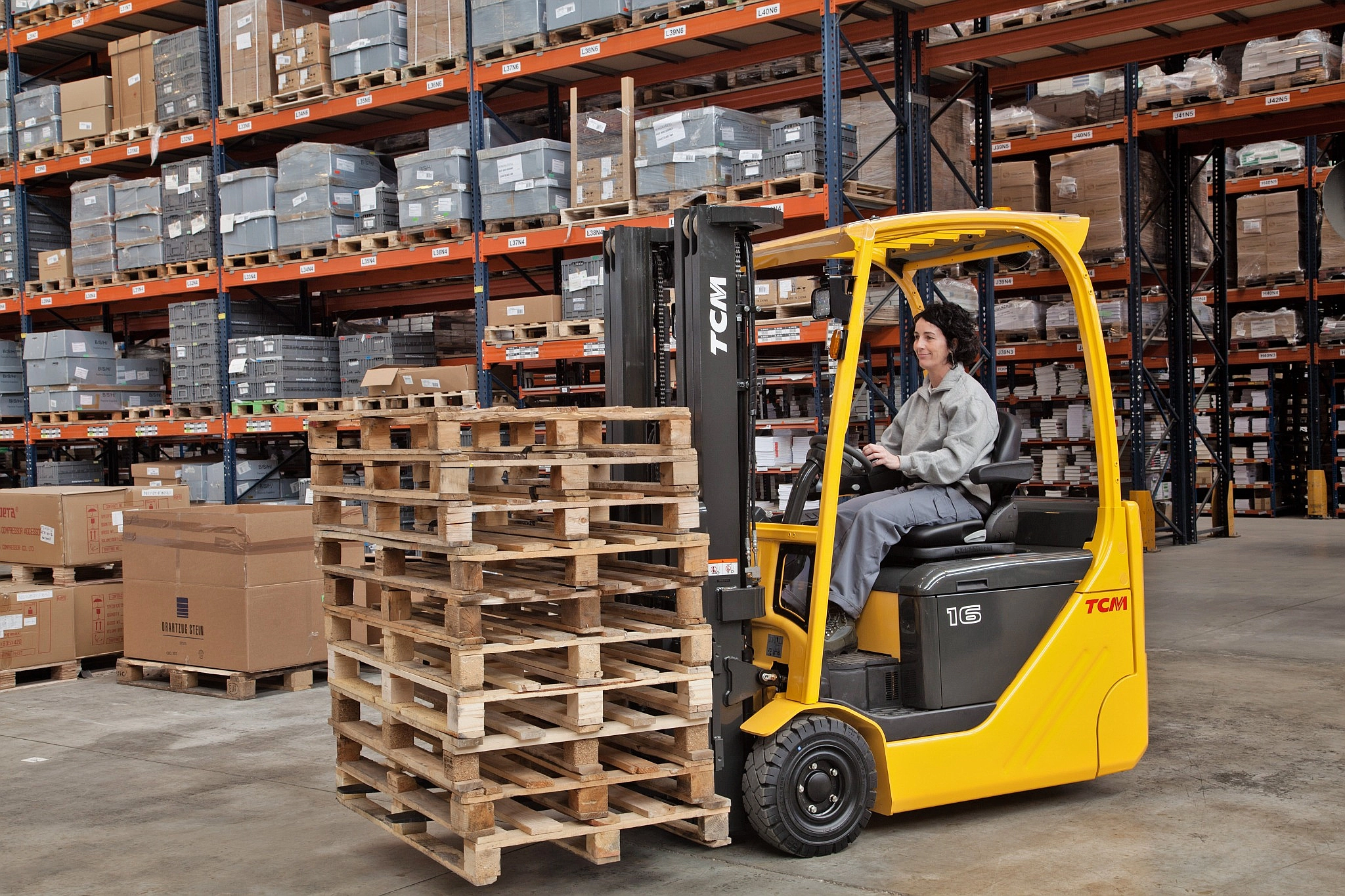
A strapped timber pack can look straightforward from the ground. The important number for the forklift, however, is its actual weight. A builder unloading framing timber, a renovator receiving materials at a property or a workshop moving a heavy pallet should not have to guess the truck size from how large the load appears.
For forklift hire and rental in Albany, MLA Complete Forklift Solutions starts with the load that needs to move and where it needs to finish. A known weight, approximate dimensions, lift height and basic access information usually give the enquiry a practical direction early. One customer may only need a delivery taken off a truck and placed beside a building site. Another may need machinery repositioned inside a shed or palletised stock moved through a commercial yard.
Timber deserves a little more attention because a familiar-looking pack does not always carry a familiar weight.
Timber and building-supply activity around Cockburn Road gives Albany customers a very real version of this problem. Packs moving through local trade yards or arriving from them at building sites may be neatly strapped, regular in shape and easy to compare visually with earlier deliveries.
Moisture can change that comparison.
Timber retains water, and its mass can change with moisture content. Two packs with similar dimensions may therefore place different demands on a forklift even when the pieces inside appear broadly alike. Species, product type and the condition of the timber all influence the final figure.
Where delivery paperwork or supplier information already provides the pack weight, that should form part of the hire discussion. It is a more reliable basis for capacity selection than judging from bundle size or recalling what a similar pack weighed previously.
Yes. Moisture content can change timber mass, so matching dimensions does not guarantee matching weights.
A supplied or declared pack weight gives the forklift selection a firmer starting point, particularly where the load is heavy enough for capacity to matter closely.

The timber issue should not make an Albany hire enquiry feel specialised by default.
A property owner may be receiving a pallet of pavers or landscaping materials. An owner-builder might need a pack unloaded beside a renovation. A machinery owner may need a heavy item lifted from a trailer and placed inside a shed. These are still normal forklift jobs even though the customer may only need the equipment for one defined task.
Once the weight is understood, MLA can match the remaining job conditions to the truck.
A ground-level unload with generous space may need relatively little lift height. A tighter residential or workshop entrance places more emphasis on machine dimensions and manoeuvring room. Stock being placed onto racking introduces a different height requirement again.
Fork support matters too. A timber pack or pallet should sit securely across the forks, with suitable engagement beneath the load. Longer packs may need a different fork arrangement from compact palletised materials even where the weights are similar.
MLA’s forklift hire options provide a useful next reference once those practical details are known.
A truck that suits the load still needs to suit the place where the load is going.
Cockburn Road trade yards and larger commercial properties can offer more manoeuvring room than a building site, shed entrance or private property elsewhere in Albany. The delivery vehicle may also dictate where the forklift has to approach from.
Customers do not need a site plan to explain this clearly.
The useful details are simple: where the delivery truck can stop, what surface the forklift will travel over, how much room exists around the load and where the material needs to be set down.
A pack being placed onto level ground beside a project is a different job from one being carried through a gate or positioned inside a workshop. The forklift should be selected around that full movement rather than the first lift alone.
For someone arranging a one-off Albany job, MLA’s branch network provides a practical route to discussing suitable equipment once the load and site are understood.


Timber handling also gives service and parts a natural role without turning a hire page into a maintenance checklist.
Forks carrying a heavy pack need to be in suitable condition and provide stable support beneath the load. If customer-owned equipment has damaged forks, visible wear or another condition that affects safe handling, that issue should be assessed before the lift continues. Where replacement components are genuinely required, the parts decision should follow the condition found rather than a standard parts list.
The same principle applies to hydraulic or steering problems that could affect controlled movement. Those are equipment-condition issues, separate from the weight of the timber itself.
For a hired forklift supplied for an Albany job, the important customer task remains describing the load and work area accurately enough for the equipment choice to make sense from the beginning.
A few pieces of information are particularly useful before an Albany timber or building-material load is moved.
The pack weight establishes the capacity requirement. Its dimensions help determine fork support and working clearance. The unloading surface and final set-down point show how much manoeuvring space the truck will need.
The operator also needs the appropriate authorisation and a clear area for the movement. Strapping or packaging should keep the pack stable, and people should remain clear while the load is raised or carried.
Where the supplier has already listed the timber-pack weight on the delivery paperwork, that figure is worth using when the forklift is arranged.