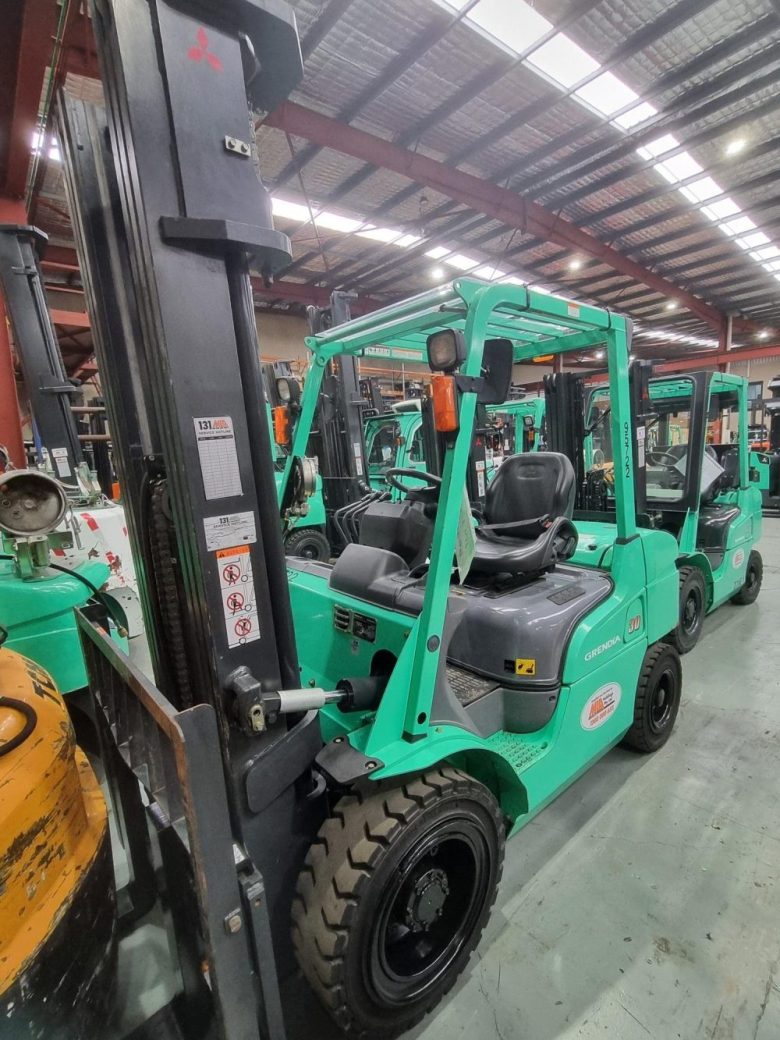
Some Albury customers need a forklift for one delivery, a machinery move or a short warehouse task. Others already operate equipment but need another machine because freight, production or stock movement has increased. Both are ordinary hire enquiries, and neither customer should need a complete fleet plan before asking what may suit the job.
MLA Complete Forklift Solutions helps businesses compare one-day hire, short-term rental, project use and longer arrangements based on the load, workplace and period required. Explain what needs to be moved, where the forklift will operate, and when the equipment is needed.
Albury supports local workshops, warehouses, manufacturers, agribusinesses, suppliers, contractors and freight-related operations. Its wider industrial and logistics role, including development around NEXUS, creates demand for additional capacity, but hire is not limited to businesses connected with a major precinct. A smaller operator arranging one substantial delivery has an equally valid reason to enquire.
A customer without a forklift may need to unload palletised materials, position equipment or move stock during a fitout. A business with an existing machine may need another unit for a temporary contract, a busy period or work that cannot wait while the normal forklift is unavailable.
The task matters more than the size of the business.
A one-day booking may suit:
Short-term or project rental may be more practical when the work returns over several days or weeks. A longer rental may suit an operation that needs regular equipment without purchasing or expanding its permanent fleet.
This keeps the service useful for any suitable Albury requirement while recognising a common regional problem: a temporary increase in work can exceed the capacity already available.
A warehouse, manufacturer or freight-related business may have enough equipment for an ordinary week. Then a larger order, production run, additional contract or dispatch backlog creates more movement than the usual machine can cover.
The forklift may still be reliable and correctly sized. It is simply occupied.
Incoming materials remain in staging while production continues. Finished pallets wait because receiving has priority. Stock is moved twice because temporary areas fill faster than expected. Staff spend time deciding which task receives the machine next.
A separate rental can give the additional work its own capacity. It may stay with inbound pallets, support dispatch, cover temporary storage or protect one project from interrupting the rest of the operation.
The rental does not need to copy the existing forklift. It should suit the assigned work. Another counterbalance forklift may be appropriate, while warehouse equipment or a different power type may better fit a defined task.
These answers shape the equipment discussion. A machine may have enough lifting capacity but be too large for the entrance, turning area or internal route. A building opening may appear suitable until the mast, overhead guard, pallet or attachment is included in the measurement.
Photographs of the approach, doorway and set-down area help show the complete movement. They are more useful than describing the premises only as a warehouse, studio, workshop or office conversion.
Customers do not need to arrive with a model number. They do need to provide enough information to avoid choosing equipment from capacity alone.
Useful details include:
A low pallet unload in an open area is different from placing stock into racking or moving machinery inside a workshop. The decision should reflect the complete task rather than one headline number.
MLA’s forklift rental options include short and longer arrangements across counterbalance and warehouse equipment categories. The discussion can begin with a one-off job or a broader rental requirement without assuming the customer already operates a fleet.


One day may be enough for a planned unload or machinery move. A few weeks may suit a temporary contract, stock project or increased demand. A longer rental may be useful when the requirement is ongoing, but the customer wants flexibility.
For businesses responding to a temporary rise in volume, the term should cover the realistic busy period without treating a temporary peak as permanent before demand is proven.
For a first-time customer, rental can reveal how often equipment is needed and which machine type works in the workplace. That may lead to an extension, another rental option or the end of the booking once the job is complete.
Some enquiries begin with hire. Others begin because an owned forklift has become unreliable.
If a warning, fault or service requirement is reducing capacity, forklift service and repair may be the more important starting point. Rental may protect a defined task while the machine is unavailable, depending on the requirement and current support options.
Parts enquiries progress more easily when the forklift and component are accurately identified. Make, model, serial information and a clear description help establish the next step. The customer does not need to diagnose the fault.
The answer may involve hire, service, repair, parts support or a combination rather than automatically adding another forklift.


Whether the booking is for one day or several months, the forklift must suit the rated load and workplace. Any attachment must be approved for the machine and reflected in its rated configuration.
The customer also needs appropriately authorised operators and a work area where forklift movement can be kept separate from pedestrians and other activities. These points should remain proportionate to the job.
Yes. A suitable short booking may cover one delivery, machinery placement, stock movement or another defined job. The load, workplace and operator arrangements still need consideration.
Yes. Hire is not limited to freight surges or large industrial operations. It may support a workshop, supplier, warehouse, contractor or other business with a suitable handling requirement.
Consider how often the task returns and whether the forklift must remain available between movements. One defined job may suit one-day hire, while repeated work may justify a longer arrangement.
No. It should suit the separate task assigned to it. Load, lift height, workplace, operating time and equipment category may point to a different option.
It may. The practical pathway depends on the repair requirement, the work that must continue, the location and current equipment arrangements.
Whether you need one unload completed or extra capacity through a busy period, begin with what must move, where it will happen and how long the requirement may last.
Use MLA’s contact page or call 1300 166 660 to discuss forklift hire and rent in Albury for a one-off job, short project, temporary capacity or longer rental.