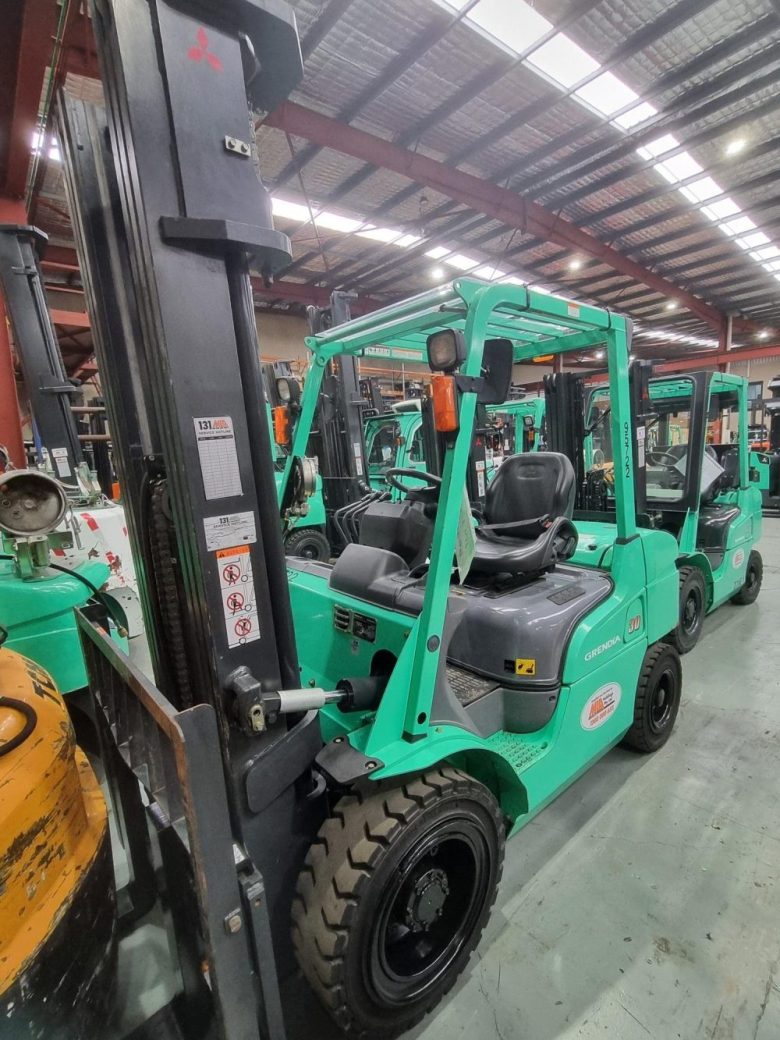
The maintenance window begins at 6:00 am. Contractors are waiting, guarding has been moved, parts are staged, and the normal forklift is still unloading production stock at the other end of the site. The project team expected to borrow it for one lift, but that lift became six movements, then a crate needed repositioning, and a removed component had nowhere to go. A short shutdown can lose useful hours before the planned work begins.
Altona sits within Hobsons Bay’s long-established manufacturing, transport, and goods distribution economy, close to major freight routes and protected industrial areas. For a plant upgrade, maintenance shutdown or tightly scheduled industrial project, the key forklift question is not only capacity. It is whether the right machine is available for the project without taking essential equipment away from normal operations.
A shutdown often concentrates work that would normally be spread across several weeks.
Replacement components arrive together. Tools, barriers and packaging compete for staging space. Contractors need access to an area that is usually part of production, while warehouse and dispatch teams may still be moving normal stock elsewhere.
Borrowing the site’s everyday forklift can appear efficient until both sides need it at once. Production waits for the project. The project waits for an unload. Staff begin to change priorities informally, and no one is certain which movement should come next.
A hired forklift can be assigned to the shutdown, installation or upgrade for the agreed period. Its role may be limited to receiving project materials, positioning components, clearing removed equipment or supporting the restart. The permanent fleet can remain with normal operations.
The equipment requirement should follow the sequence of work rather than a single headline lift.
Before the booking is finalised, identify:
A component may be light enough for the nominated capacity but still require additional consideration due to its shape, packaging, centre of gravity, or final placement. Supplier drawings and clear photographs can help define the task before the shutdown.
The hire period should also include realistic contingency. If commissioning moves by half a day or contractors need the forklift again during restart, a booking that ends too early can create another avoidable delay.
The shutdown forklift is only part of the plan. Equipment supporting normal production, receiving or dispatch may also work longer hours because the site is operating around restricted areas.
A recurring warning, a damaged tyre, a charging concern, or overdue service should not be carried into a week when the business has less flexibility than usual. MLA’s Melbourne forklift service and repair team can assist with planned maintenance, inspections, repairs and breakdown requirements.
Schedule attention early enough to act on findings. Finding a repair need the day before contractors arrive leaves fewer options than identifying it while the plan can still change.
A low-cost component can become expensive when several people are waiting for it.
If a known wear item, a damaged attachment component, or a recurring fault may affect the project, identify the forklift make, model, and serial number before the shutdown. MLA’s forklift parts support in Melbourne can help with genuine Mitsubishi and relevant MLA-supported parts requirements.
Do not dismantle equipment or place an order based on an assumption when the part is uncertain. Clear equipment details, photographs and the fault description give the parts discussion a stronger starting point.


Altona customers can also arrange forklift hire for routine work unrelated to a plant shutdown.
That may include one delivery, a warehouse task, machinery movement, temporary stock overflow, construction work, seasonal demand or ongoing rental. A smaller business can enquire about one day of handling support, while a larger operation can arrange additional equipment for a longer period.
The job determines the rental conversation. Explain what must move, where the forklift will work and when the equipment is needed. General hire should remain straightforward even when the surrounding page focuses on a more complex industrial project.
Shutdowns change who is onsite and where they are working.
Contractors may be unfamiliar with the usual forklift routes. Barriers can redirect pedestrians. Temporary laydown areas may occupy space normally used for vehicle movement, and project materials can reduce visibility around corners.
On an Altona industrial site where freight movements, contractors and normal production may remain active during the same work period, informal traffic changes can quickly create confusion. Agree on the forklift’s work area before the shift begins. The operator, project supervisor and site contact should understand who can request a lift, where loads may be staged and when normal traffic must stop.
Pre-start checks remain necessary throughout the hire. A reported fault, impact or warning should be addressed rather than passed to the next shift because the project is behind schedule.


Do not wait until the contractor schedule is circulated to discover that the normal fleet is already committed.
Before the shutdown date is fixed, send MLA the Altona address, project window, equipment tasks, confirmed load information and operating conditions. Support is also available for nearby industrial areas including Altona North, Laverton, Brooklyn, Newport and Williamstown North.
Call 1300 166 660 while the project sequence can still be changed. Arrange hire, service or parts before one missing machine becomes part of the critical path.
MLA supports temporary rental for receiving project materials, positioning components, clearing removed equipment or covering another defined part of the work.
Start the discussion while the shutdown sequence, contractor access and staging plan can still be adjusted. More complex loads or site conditions may require additional information before equipment is selected.
Potentially. Explain the surfaces, clearances, gradients, ventilation considerations, travel route and load so the complete operating environment can be assessed.
Planned servicing can be arranged before the project so maintenance requirements are identified while the schedule can still be adjusted.
Raise a likely contingency when arranging the rental. The hire period should account for commissioning, restart work and realistic project movement rather than ending at the earliest possible time.
One-day tasks, deliveries, warehouse work, temporary capacity and longer rental are also available outside shutdown or upgrade projects.