

Between receiving goods at the rear of a premises and putting them where they belong, a forklift may pass through several different parts of the workplace. Warehouse aisles, loading areas, trade access points and shared commercial space can each place different demands on the machine and the people working around it.
Forklift hire in Bennetts Green can support pallet receiving, bulky-goods handling, warehouse replenishment, fitout work, machinery movement and temporary increases in stock activity. Capacity and lift height remain central, but the physical layout and the amount of pedestrian activity around the forklift can also influence which equipment features are worth considering.
Bennetts Green’s combination of bulky-goods, trade and distribution activity gives those questions clear local relevance. The aim is still straightforward: hire a forklift that can complete the work efficiently without specifying technology the site has no reason to use.
Many Bennetts Green jobs begin with a familiar task, such as unloading palletised goods from a vehicle. What happens after that first lift can change the rental brief.
Stock may need to travel into warehouse storage. Bulky products can take up more turning room than the forklift chassis suggests. Fitout materials may need to be positioned in a part of the premises that is busier than the receiving area. A distribution operation can involve repeated travel between loading and storage zones.
MLA Complete Forklift Solutions can discuss equipment based on the loads and spaces involved, rather than treating every local booking as the same warehouse job.
For example:
The first four considerations affect whether the forklift can physically perform the work. The last addresses how the equipment operates around people where the site makes that relevant.

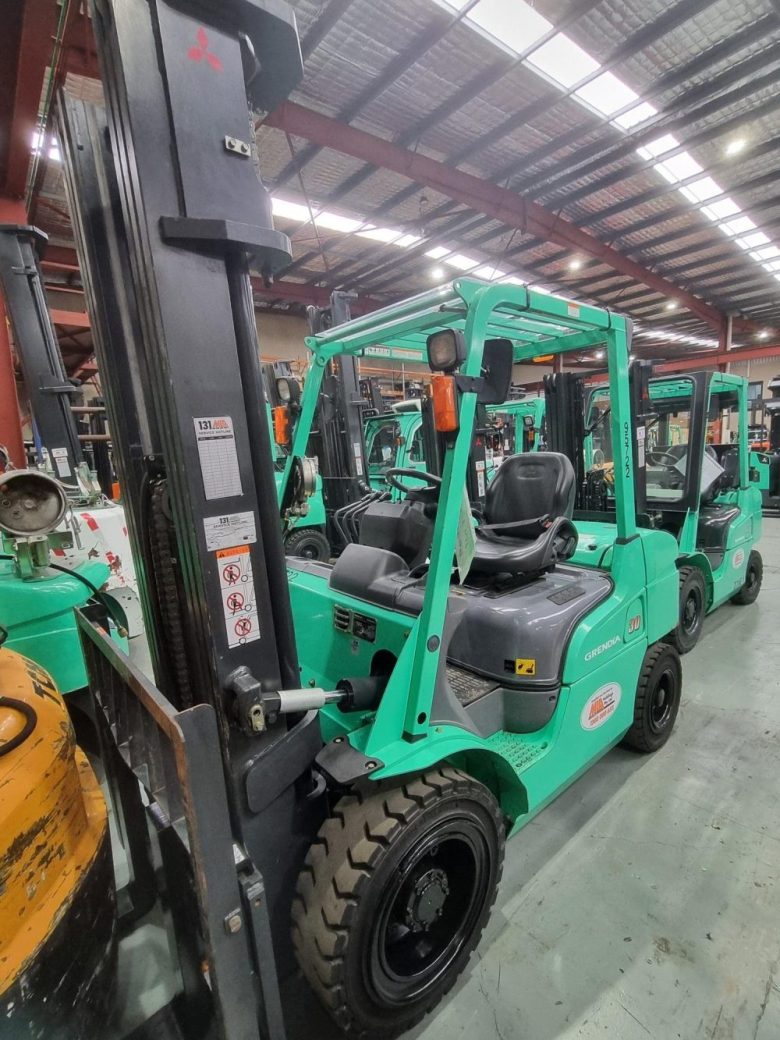
Current commercial activity in Bennetts Green includes both large-format trade premises and newer distribution operations. That mix can bring forklifts into workplaces where loading, stock handling and pedestrian activity occur within the same broader property.
Where separation measures are already in place but the operating environment still warrants another control, compatible pedestrian-detection technology may be worth discussing.
MLA’s FleetControl capabilities include pedestrian-alert systems with automatic braking functionality. Depending on the compatible equipment and system configuration, the technology can identify a pedestrian-related risk and intervene beyond simply warning the operator.
That creates a different decision from a projected exclusion-zone light or a visibility aid.
An alert tells the operator that a pedestrian-related condition has been detected.
Automatic braking adds an intervention response through compatible equipment where the system and application support it.
Neither feature replaces appropriate workplace separation, traffic arrangements or operator responsibility. Their value comes from supporting a site where forklift and pedestrian interaction has already been identified as a meaningful operating concern.
For a Bennetts Green warehouse working mainly inside segregated forklift areas, additional pedestrian technology may bring little to the hire. A trade or distribution property where the machine moves between different activity zones can create a stronger case for discussing it.
Safety technology should never become the reason a customer loses sight of the basic rental requirement.
Suppose a Bennetts Green business needs a forklift to unload several deliveries, move stock into storage and reposition bulky products over a concentrated period. The first questions remain practical: what does the forklift need to lift, how high must it reach, and how much room does the loaded machine have to work?
Once those points are understood, any site-specific control can be considered in context.
Another customer may need a forklift for machinery handling in a workshop or to move materials during a fitout. Pedestrian detection may have little relevance to that job. A suitable conventional forklift can remain the better answer where the site and workload do not justify additional technology.
This keeps forklift rental responsive to the work instead of turning every Bennetts Green enquiry into a safety-system specification exercise.
Customers with broader equipment needs can also explore MLA’s forklift hire and rental options when comparing machines for warehouse, industrial and commercial handling.


Equipment features make more sense when they are linked to the route the forklift will use.
Receiving may occur in a controlled loading area before the forklift carries goods toward storage. On other premises, the machine could pass a trade counter, shared access point or part of the property used by other staff.
Walking through that route can reveal which parts of the job deserve more attention.
For hire purposes, the customer should be able to describe:
That is usually enough to distinguish a straightforward equipment hire from a site where compatible pedestrian-focused features are worth discussing.
The rental machine should still remain appropriate for the complete workload. Additional controls support the job only after the basic forklift selection has been resolved.
Yes. Forklift rental can support deliveries, pallet handling, warehouse storage, bulky products, fitout materials and other commercial lifting work. The equipment should suit the loaded weight, lift height and available operating space.
On compatible systems, pedestrian detection can identify a pedestrian-related risk around the forklift and provide an alert. Automatic braking functionality can add an intervention response where the equipment and system configuration support it.
No. The feature is most relevant where the site’s operating conditions make pedestrian interaction a meaningful concern. A warehouse or workshop with clearly separated forklift activity may have a different equipment brief.
Describe the loads, required lift, main travel route and any part of the site where the forklift will work close to staff, customers or other pedestrians. Those details help separate the core forklift requirement from any additional site-specific controls worth considering.










