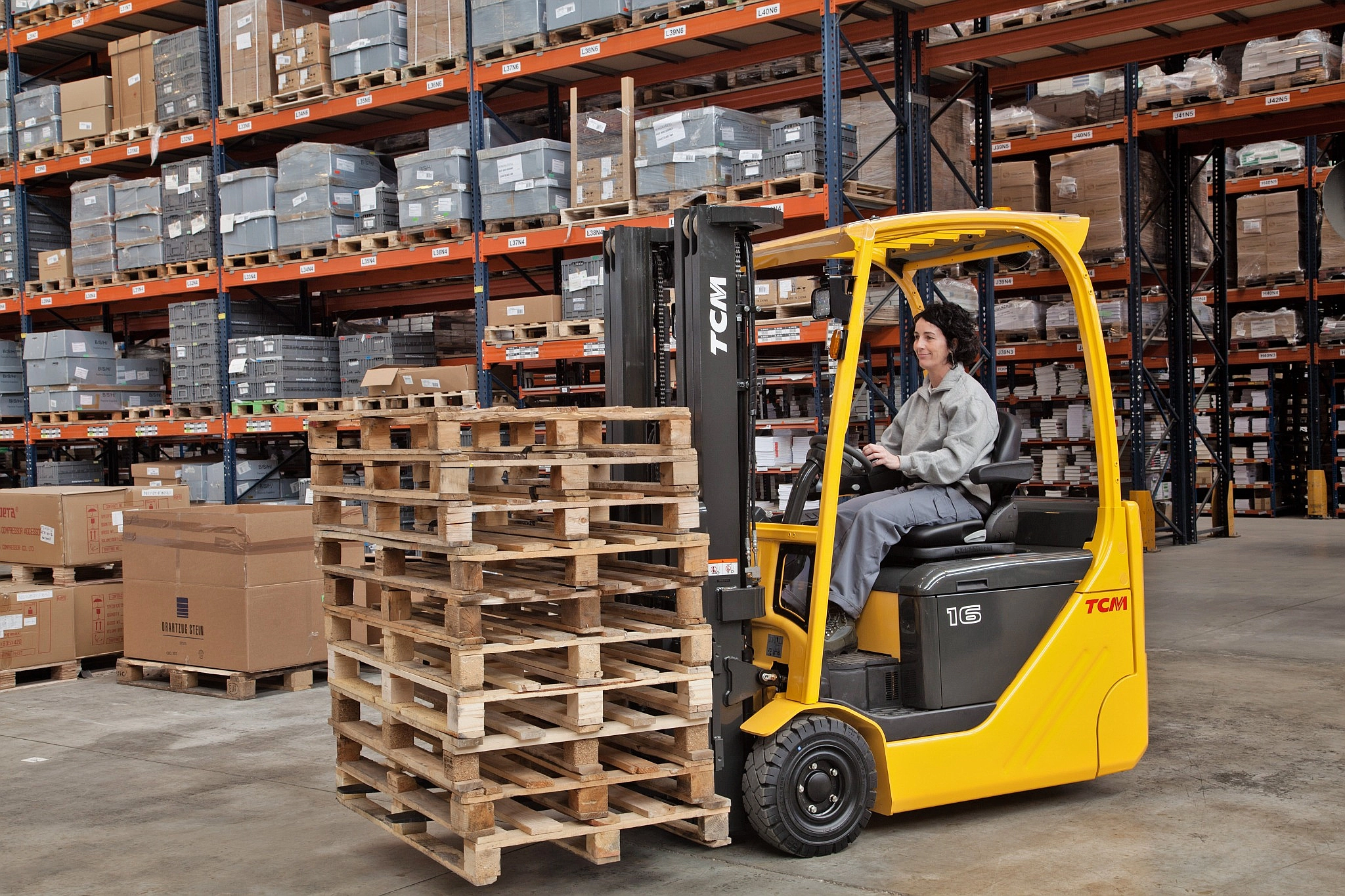
A customer might know the weight of an incoming machine or palletised delivery and still be missing one useful detail: the size and fork-entry arrangement of the pallet underneath it. “Standard pallet” can mean different things depending on where freight originated, and that difference matters before the forklift reaches the load.
For forklift hire and rental in Bunbury, MLA Complete Forklift Solutions can work from the pallet that is actually arriving. A builder receiving imported equipment, a machinery owner unloading a shipment, a workshop moving stock or a warehouse handling regular deliveries may all face the same practical question. The forklift needs enough capacity, but its forks also need to engage the base properly.
That is particularly relevant around a port city where domestic and international freight formats can meet.
The Port of Bunbury handles break-bulk, project cargo and other freight moving through the South West. Recent project-cargo movements through the port reinforce a simple point for local customers: incoming loads do not all arrive on the same platform just because someone has described them as palletised.
Australia’s familiar timber pallet uses a square footprint of about 1165 x 1165 mm. European and North American pallet formats can use different dimensions.
The forklift decision therefore starts with the pallet in front of the customer rather than the name attached to it.
| Load information | Why it helps |
| Pallet length and width | Shows the footprint the forks need to support |
| Fork-entry direction | Establishes how the truck needs to approach |
| Gross load weight | Sets the capacity requirement |
| Overall load height and width | Helps with clearance and visibility |
| Pick-up and set-down points | Shows the working space the forklift needs |
A quick measurement or photo can often resolve the pallet question without the customer needing to know whether it is technically Australian, European or North American.

Port-related freight does not make forklift hire relevant only to importers and logistics businesses.
Someone may have ordered machinery from overseas for a workshop. A builder could be receiving equipment for a project. A private machinery owner may need one heavy delivery taken from a truck and placed inside a shed. Another customer could simply have a local pallet of building materials that never went near the port.
Those jobs should remain easy to explain.
The known load weight establishes the basic capacity requirement. Pallet dimensions show how the forks can support it. The site then determines whether the truck has enough room to approach, turn and place the load where it needs to go.
For a conventional Australian pallet on an open site, the equipment choice may be straightforward. An unfamiliar imported base might justify checking fork spacing, entry direction or support before the truck is committed.
MLA’s forklift hire range provides equipment options for temporary and one-off handling where the load and site are suitable.
Capacity is only one part of a forklift movement.
A relatively light item on an unusually long or narrow platform can still affect fork positioning. Short fork engagement may leave too much of the load unsupported, while a different fork-entry direction can change how close the forklift needs to approach surrounding stock or the delivery vehicle.
The load itself can overhang the pallet as well.
That does not automatically make the pallet unsuitable, but the complete dimensions need to be understood so the forklift is supporting the unit as intended. Where the base is damaged, unstable or difficult to engage, that condition should be addressed before the lift rather than relying on the load weight alone.
Fork condition matters for the same reason. Bent, damaged or heavily worn forks can reduce the quality of support beneath a load. Customer-owned equipment showing that kind of condition should be inspected before demanding handling continues, with parts replaced where the actual fault requires them.
That keeps MLA’s service and parts support tied to something relevant to the Bunbury job rather than adding a separate maintenance section to a hire enquiry.


The forklift still has to work at the customer’s end of the freight journey.
A load collected or received after moving through the Port of Bunbury may finish in an industrial yard, workshop, construction site or private property. Each destination changes the manoeuvring space around the truck.
An open hardstand can offer room to square up to an unfamiliar pallet and approach from the correct fork-entry side. A shed entrance or tighter property may leave only one practical approach.
The customer should therefore think about the load and the route together.
Useful information includes where the delivery truck will stop, whether the forklift will remain on sealed ground, the narrowest access point and the final placement height. A ground-level set-down next to a shed is different from positioning the same pallet inside storage or onto a raised surface.
Operators need the appropriate authorisation, and the load should remain stable and supported throughout the movement. People should stay clear of the working area while the forklift is lifting or travelling.
For Bunbury customers who need local equipment support as well as hire, MLA’s branch network includes its Bunbury presence. The branch is a practical service route, while the forklift choice still comes back to the actual pallet, load and site.
No. Common pallet formats differ between countries and freight systems.
An Australian pallet has a familiar local footprint, while imported goods may arrive on European, North American or other platforms with different dimensions and fork-entry arrangements. Measuring the pallet or providing a clear photo gives MLA more useful information than the word “standard” alone.
Yes. A forklift can have ample lifting capacity and still need the correct fork engagement beneath the pallet.
The platform dimensions, available entry direction and amount of support under the load all affect how the forklift should approach and carry it. For imported or unfamiliar freight arriving through the Port of Bunbury, those base dimensions are worth confirming before the lift.