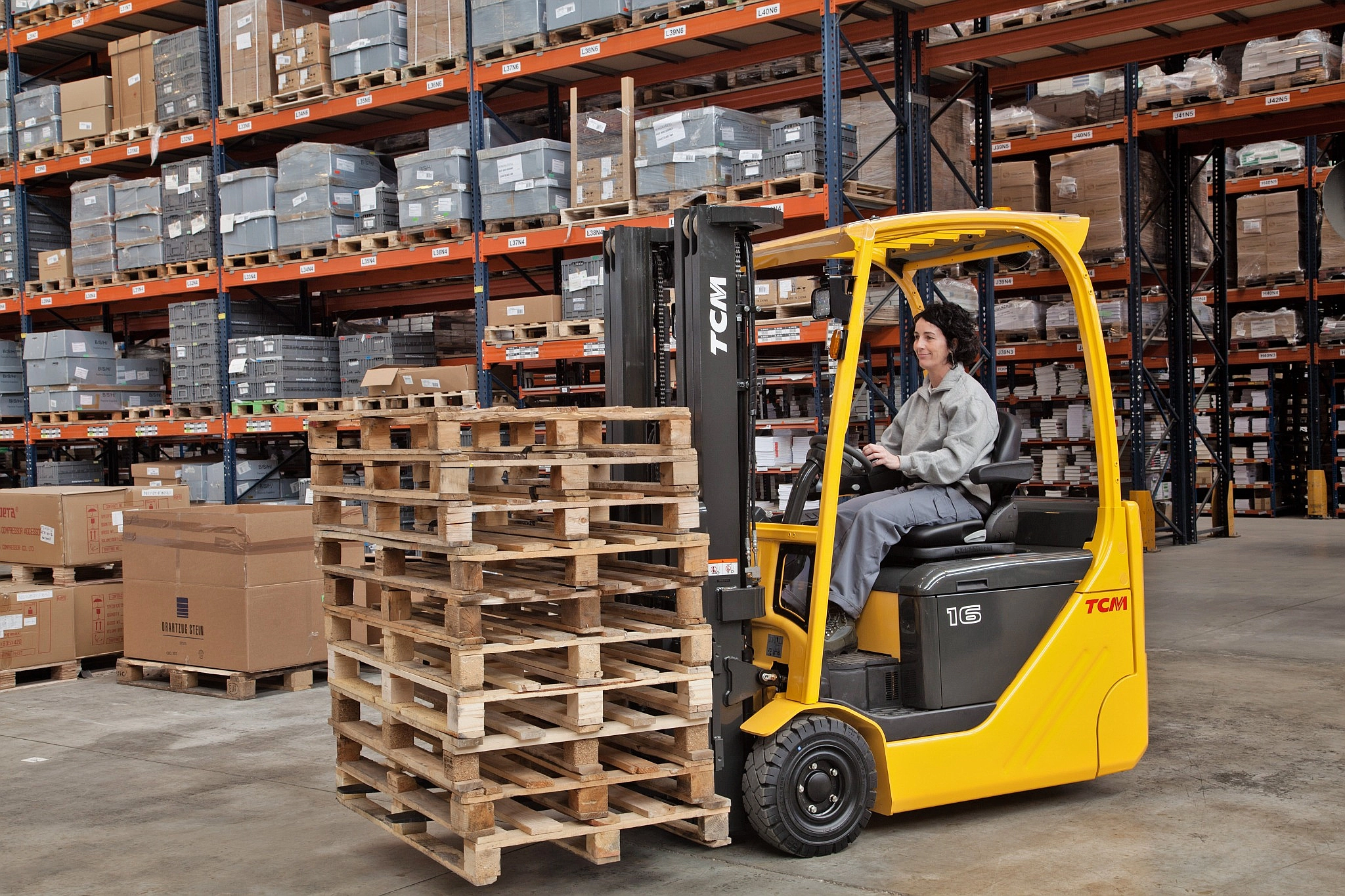
A delivery of windows or glazed panels can look fragile enough to make the forklift job seem complicated before it has even started. In many cases, the most useful thing to identify is not the number of panes. It is the frame or stillage carrying them.
A purpose-built A-frame stillage gives the forklift a defined structure to engage. The forks should work with the frame’s intended pockets or support points rather than treating the glass itself as something to lift directly.
That makes forklift hire and rental in Busselton relevant to a broad mix of customers. A homeowner may be receiving windows for a renovation. A builder could need a stillage unloaded beside a new project. A glazier may need temporary lifting capacity, while another customer may simply have machinery, a pallet or building materials to move.
The equipment choice should follow the load that has actually arrived.
Window and door supply activity along Cook Street makes framed glazing a practical Busselton handling example rather than a generic construction angle.
Large windows, doors and sheet products are often transported in frames designed to keep them upright and restrained. Where the frame is purpose-built for forklift handling, the stillage becomes the part the truck engages.
That distinction matters because the glass may be securely strapped to the frame without being designed to carry forklift contact itself.
A customer looking at a loaded A-frame should therefore focus on the frame’s handling arrangement.
Useful details include the overall loaded weight, frame width, available fork pockets, and clearance around the delivery. If the stillage has a manufacturer-specified lifting arrangement, that should remain part of the job information.
MLA’s forklift capacity information becomes useful once the complete framed load is understood. Capacity needs to suit the weight and configuration being lifted, while fork length and spacing need to work with the stillage itself.
The same principle applies beyond glazing.
A machine on a transport skid should be handled through the skid where that is the intended support. A conventional pallet uses its own fork-entry points. The forklift works with the handling structure under or around the load rather than improvising a new one.

A framed window delivery does not always finish in a large commercial yard.
A homeowner renovating a property may need the stillage taken from a truck and set down somewhere accessible to the builder. A smaller construction site could have limited driveway width, stored materials or only one practical place for the delivery vehicle to stop.
Those conditions can influence the forklift just as much as the glass frame.
A truck with adequate capacity still needs enough room to approach the stillage, engage its fork pockets and turn toward the set-down area. Ground conditions matter if the movement leaves a smooth road or commercial hardstand.
The job may also be very short.
If the forklift only needs to remove the framed windows from the delivery vehicle and place them onto stable ground, the hire requirement can remain simple. There is no reason for a one-off residential or building job to be treated like a warehouse operation.
For a Busselton customer with machinery, landscaping supplies or another palletised delivery, the same approach works. Weight, access and final placement determine the equipment requirement without any glazing-specific complication.
A loaded A-frame generally has more than one function.
It supports the windows or glass in an upright position. It provides restraint points so the load can remain secure during transport and handling. Where designed for forklift movement, it also provides the fork-access arrangement.
Those functions should remain intact through the unload.
The restraints should be secure before the forklift moves the frame. The forks need proper engagement beneath or through the intended pockets, and the operator should have enough visibility and room to keep the stillage controlled.
The final set-down needs a stable surface as well.
A purpose-built frame can protect the glazing during movement, but it still needs somewhere appropriate to rest once the forklift withdraws. Placing the stillage onto uneven or unsuitable ground can undo the control provided during the lift.
Customer-owned equipment also needs to be fit for the task. Damaged forks, carriage problems or another condition affecting stable support should be inspected before lifting a framed glazed load. Where a genuine component issue is identified, MLA’s service and parts support can address the forklift condition rather than adding maintenance work where none is needed.
That keeps service connected to the actual job.


A surprisingly useful question is where the truck can stop.
If the stillage can be unloaded directly beside its final resting place, the forklift may only travel a short distance. If the delivery vehicle has to remain on the street or at the edge of a site, the truck may need to carry the framed load through a driveway or across the property.
That longer route brings width, turning space and surface condition into the decision.
Cook Street commercial sites may offer a very different working area from a residential renovation closer to Busselton’s established neighbourhoods. The same A-frame could be easy to handle in one location and awkward in another simply because the access changes.
A photo of the frame and unloading area can therefore be more useful than a long technical description.
Customers arranging suitable equipment for a window delivery, machinery movement or other one-off job can use MLA’s branch network to discuss the load and site.
The better approach is to use the handling arrangement designed into the stillage.
Where the A-frame has intended fork pockets or support points, the forklift should engage the frame through those locations. The restraints keep the glass secured to the stillage, while the stillage carries the load during the forklift movement.
The glass being strapped in place does not turn the panes themselves into forklift contact points.
For a Busselton delivery, identifying the frame, its fork access and the loaded weight gives MLA a much clearer picture of the job than counting the windows on the stillage.