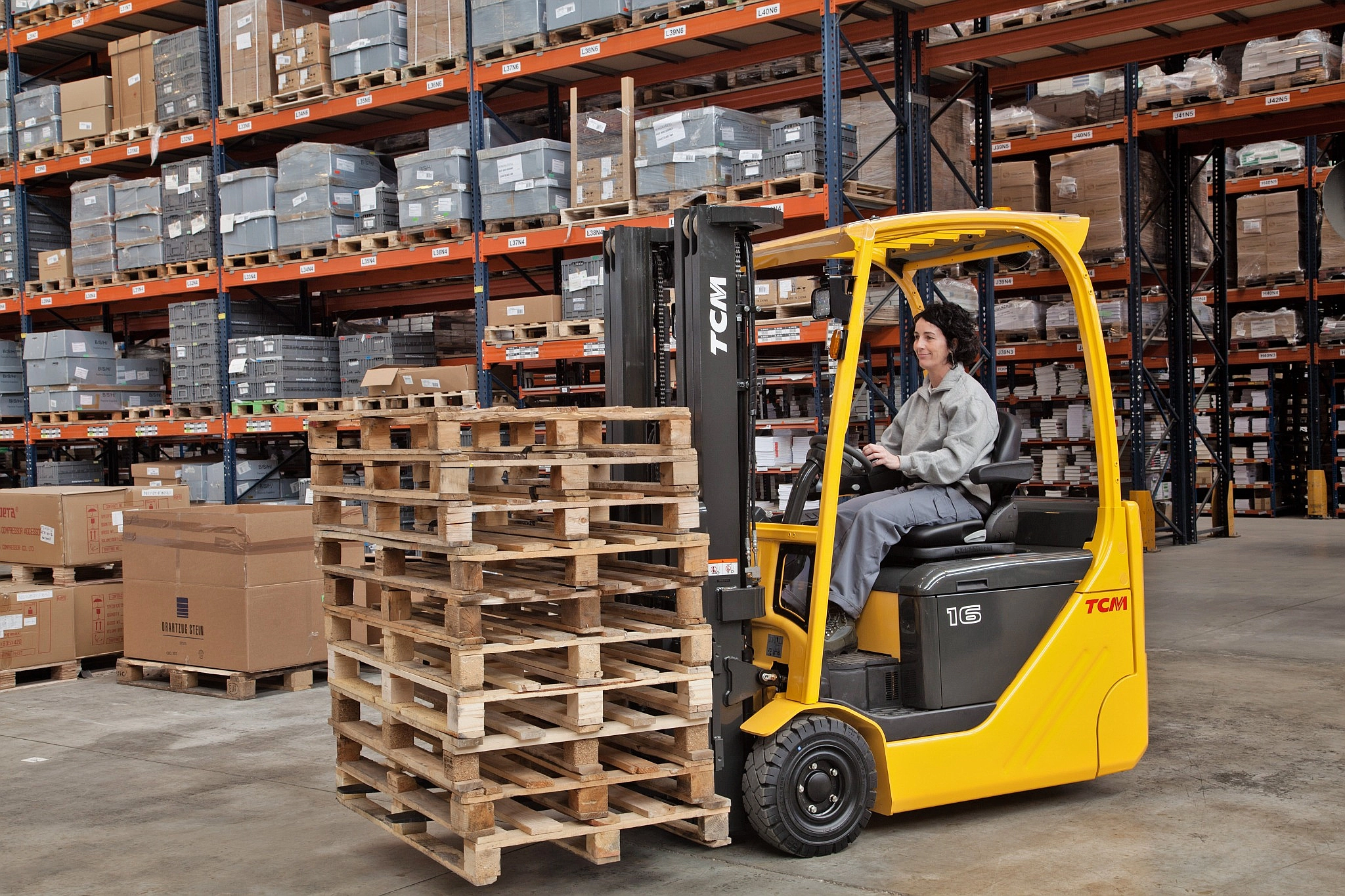
A forklift job in Capel might be as simple as taking a pallet from a delivery truck and placing it beside a shed. Another customer may need machinery repositioned, irrigation equipment unloaded, building materials moved around a property or extra lifting capacity for agricultural work. The right hire setup depends on the load, the surface and where the forklift needs to operate, not on whether the customer runs a large business.
MLA Complete Forklift Solutions supports forklift hire and rental for those one-off, temporary and ongoing requirements. A farmer, rural property owner, contractor or small business can start with practical information they already know: what needs to move, its approximate weight, where the delivery vehicle can stop and where the load needs to finish.
For many Capel jobs, those details are more useful than choosing a forklift model before making the enquiry.
Capel’s rural and agricultural setting means the forklift may have to work somewhere very different from a warehouse floor.
A pallet being unloaded on a firm commercial yard can be relatively straightforward. The same load going through a property gate, beside a farm shed or across a less uniform surface can require a different machine configuration.
Customers should think about the complete route rather than only the point where the forks first enter the load.
A few details can quickly narrow the options:
These are ordinary hire questions, and they apply just as readily to a homeowner receiving heavy materials as they do to an agricultural business moving stock.
A compact load does not necessarily mean a compact forklift will suit the site. Capacity, surface conditions and lift height still have to work together.
MLA’s forklift hire range provides different options once the actual Capel job is understood.
The forklift also needs to suit whatever is underneath the item being moved.
A conventional pallet gives the forks a familiar support structure. Machinery may arrive on a skid or transport frame. A pump or piece of agricultural equipment can have its own base or manufacturer-designated handling points.
That difference matters because the forklift should work with the load’s intended support arrangement.
A pallet of supplies may only need correct fork spacing and enough capacity. A heavy machine on a transport skid may need closer attention to dimensions and weight distribution. Equipment without suitable fork access may require another handling method or attachment.
The customer does not need to solve those details alone.
A photo of the load, approximate dimensions, and any supplied weight information can make the equipment discussion much clearer. For a one-off Capel delivery, that can be enough to determine whether the job is a conventional forklift movement or something that deserves a more specific setup.

The South West Agribusiness Precinct around Capel supports dairy, horticulture, red meat and other agricultural activity, while the Capel River area remains closely connected with dairy production.
That local setting makes liquid containers such as IBCs a useful example of why the stated size of a load does not always tell the forklift what it weighs.
A 1,000-litre IBC describes volume.
The actual lifting weight depends on the liquid inside, how full the container is and the mass of the container and base itself. Two IBCs with the same nominal capacity can therefore place different loads on a forklift.
For a Capel customer handling one of these containers, the practical step is simple: use the declared or supplied gross mass where it is available.
That figure is more useful than assuming that a 1,000-litre container weighs approximately one tonne.
The IBC’s base still matters because it provides the fork-entry structure. Damage around the integrated pallet, cage or lower frame should be checked before lifting.
This is one local agribusiness example, not the whole hire service. A customer moving fencing supplies, machinery, feed, pumps or building products can describe those loads in exactly the same practical way.
Knowing where the load will finish helps avoid choosing equipment around only half the job.
A machinery delivery may need to come off a truck and land on prepared ground beside a workshop. A pallet might need to pass through a gate and finish inside a shed. An irrigation pump could require more accurate positioning near existing equipment.
Each destination changes the space the forklift needs.
Lift height matters where goods are going onto a vehicle, platform or raised storage position. Manoeuvring room becomes more important inside tighter sheds or between parked machinery. Ground condition matters where the truck leaves a prepared yard.
For customers who only need one lift, this does not have to become complicated. Weight, dimensions, access and destination usually provide a clear starting point.
MLA’s branch network gives Capel customers a practical route to arranging suitable equipment for those temporary or one-off jobs.


The forklift needs to be in suitable operating condition for the load being handled.
Damaged forks, a carriage problem or a hydraulic fault can affect how securely a pallet or machine is supported. Customer-owned equipment showing a genuine issue should be inspected before demanding lifting continues, with replacement parts supplied where the identified fault requires them.
That is where MLA’s service and parts capability becomes useful.
For a hired forklift, the customer’s main contribution is accurate load and site information, along with a work area that allows the truck to operate safely.
The operator requires the appropriate authorisation. People should remain clear while the load is raised or travelling, and the load should stay stable throughout the movement.
These requirements apply whether the job involves an IBC in the South West Agribusiness Precinct, machinery beside a Capel River property or a straightforward pallet delivery elsewhere in the district.
Yes. A suitable one-off hire may cover unloading a pallet, moving machinery, positioning a pump, handling building materials or another appropriate lifting task.
The useful information is the load weight, its dimensions, the surface the forklift will work on and where the item needs to finish.
Start with the known or approximate weight, overall dimensions and the support underneath the machine.
If it arrives on a pallet, skid or transport frame, mention that arrangement as well. Access around the delivery vehicle and the final set-down position can then be considered with the equipment choice.
No. The litre figure describes volume, while the forklift needs the actual gross mass.
The liquid density, fill level and weight of the IBC itself all contribute to the load. Where the container label or delivery paperwork provides a reliable gross weight, use that figure when arranging the forklift.