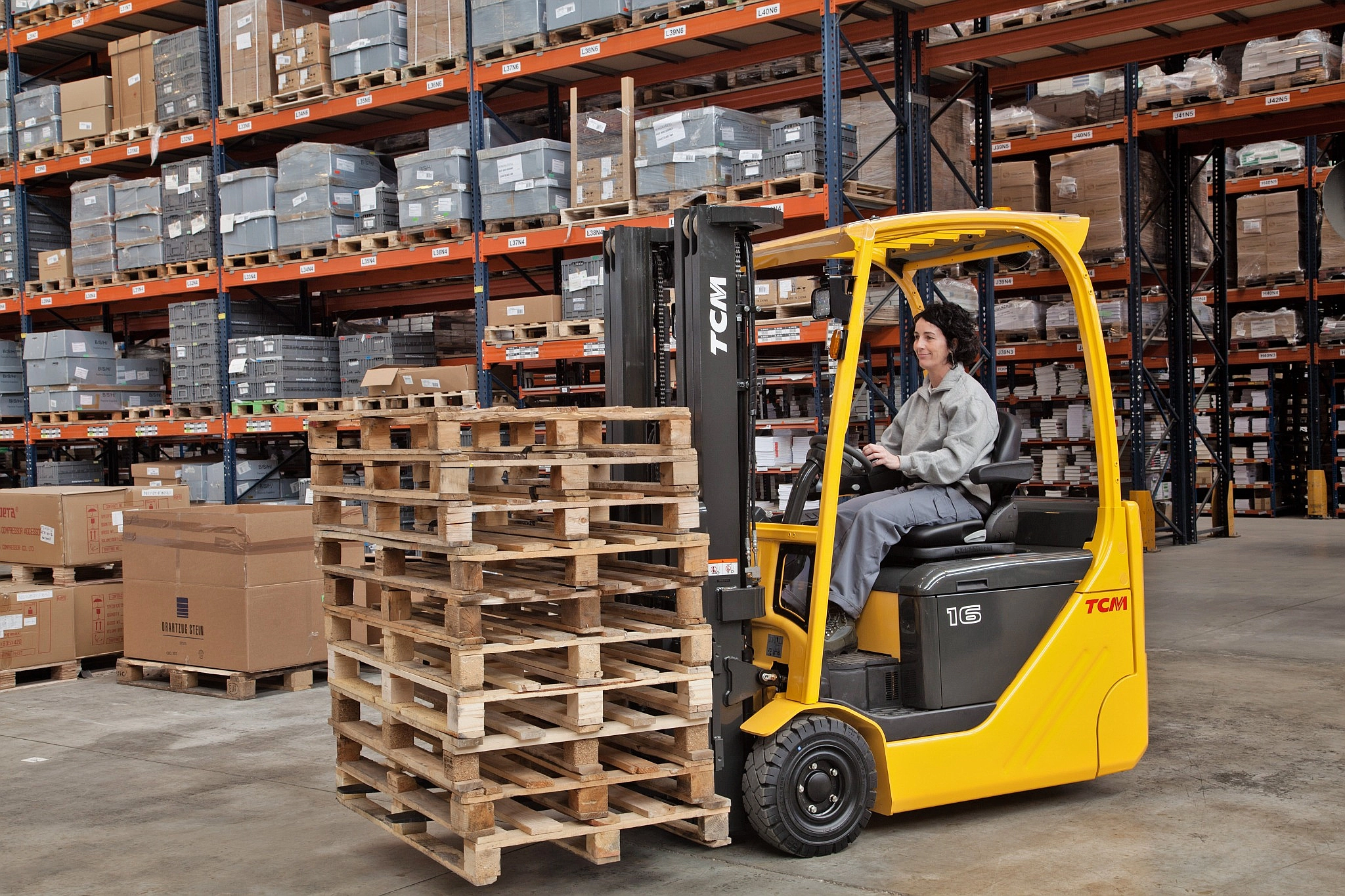
A forklift in Carrington may be needed for straightforward unloading, a short run of pallet handling, machinery movement, or work related to larger freight operations. The right hire choice comes from the movement itself: what is being lifted, where it needs to travel and what the forklift will interact with along the way.
MLA Complete Forklift Solutions provides forklift hire and rental across Newcastle for jobs ranging from warehouse and workshop handling to industrial freight work. A business receiving packaged goods may have a relatively simple brief. A customer working in rail freight may need to consider another part of the operating environment before selecting equipment.
Carrington gives that distinction strong local relevance. The West Basin handles roll-on/roll-off cargo and connects directly with private rail sidings, with rail cars, locomotives, track machines and wagons among the types of freight associated with the precinct. Where forklift work takes place at a rail wagon, keeping that wagon secured against movement becomes part of preparing the job.
Two customers can hire similar forklifts for loads of similar weight and still have different operating requirements.
One may unload goods from a stable ground-level position and move them across a warehouse. Another may collect freight directly from a rail wagon. The second job introduces the wagon itself into the handling environment.
That matters because the forklift operator relies on the loading platform remaining where it is expected to be. Unplanned wagon movement can alter the relationship between the forklift, the load and the edge of the loading area.
For forklift hire in Carrington, the enquiry should therefore include the point where the load is collected and where it needs to finish. If the machine will work at a rail wagon, that should be clear before the booking is finalised.
The forklift still needs sufficient rated capacity for the load and lift. Its dimensions, power source and manoeuvring characteristics may also matter depending on the site. Rail-wagon restraint is a separate site condition that supports the movement rather than replacing those equipment decisions.


The local freight environment provides a strong example, but most customers should not have to recognise themselves in a port or rail operation before the page becomes relevant.
A workshop may need another forklift while equipment is rearranged. A contractor may have materials arriving for a defined stage of work. A warehouse may need help clearing a delivery or moving stock between receiving and storage. Machinery, crates, packaged products and palletised goods can all create hire requirements without involving rail infrastructure.
The amount of information required should follow the complexity of the job.
For a familiar pallet moving at ground level, load weight and operating space may answer most initial equipment questions. A machine that needs to place goods higher, work in tighter space or carry an unusual load may require a closer look at capacity at height, load centre or attachment suitability.
The same principle applies when the work interfaces with a rail wagon. The added question is specific: how is the wagon kept stationary while loading or unloading occurs?
That gives MLA a clearer picture of the work without turning the hire enquiry into a long technical exercise.
A forklift operator should be able to approach the load knowing the platform beside them will remain stable.
Where a rail wagon forms part of the loading area, positive protection against wagon movement belongs in the site’s preparation for forklift work. The exact arrangement depends on the rail operation and the controls that apply there, but the principle is straightforward: the wagon must remain secured while the forklift is loading or unloading it.
This is different from choosing the forklift.
The hired machine still needs to suit the load and the space available. The site still needs an appropriate operating area. The person using the forklift must meet the requirements that apply to the equipment and workplace.
Treating those as separate responsibilities keeps the discussion about the hire clearer. MLA supplies equipment for the handling requirement. The customer provides the site information that changes equipment suitability and ensures the work area is prepared for the planned movement.
That question can quickly simplify the enquiry.
If the forklift receives a load after it has already been placed on a stable site surface, railcar restraint may have little relevance to the machine selection. The hiring discussion can focus on the load, travel distance, lift height, and operating area.
If the forklift will collect or place freight directly at the wagon, the rail interface becomes part of the job description.
Customers working around Carrington’s freight precinct can raise that point when discussing the booking, rather than leaving it until the equipment arrives.


The forklift requirement may cover either a single concentrated unloading task or a broader period of handling. The commercial arrangement should follow the work rather than forcing every customer into the same rental pattern.
A business with a known delivery can describe the loads and movements involved. A site expecting several different handling tasks can outline the range of work the machine needs to cover. MLA can use that information to discuss equipment and rental arrangements suited to the requirement.
There is also no reason to specify specialist equipment simply because the job is in Carrington. If a conventional forklift suits the loads, lift and operating environment, the booking should remain centred on that requirement. Where the work introduces a different load form, attachment or operating condition, those details can be addressed during selection.
That keeps forklift hire and rental practical for both smaller customers and industrial operations.
Businesses in Carrington may also operate their own forklift equipment. If an owned machine develops a fault, damage or a change in performance, MLA’s service team can assess the condition and determine the appropriate repair path. Parts requirements can then follow the machine identification and findings from that assessment.
Those services support owned equipment, but they should not be added to a rental booking simply for completeness.
Safety follows the same job-specific approach. Around rail loading, securing the wagon against movement is a direct part of the operating environment. Somewhere else, the important consideration may be visibility, pedestrian separation, load stability or another site condition.
For the next Carrington hire, the clearest starting information is what needs to move and where the forklift will collect it. If that point is a rail wagon, include it when arranging the equipment.
Contact MLA Complete Forklift Solutions to discuss forklift hire or rental for work in Carrington.