Most hire enquiries become much clearer once the job is reduced to what is actually happening on site. You may have machinery arriving that needs unloading, materials that have become too heavy to handle manually, or equipment that has to be repositioned so work can continue. The important part is identifying the lift first, then matching the forklift to it.
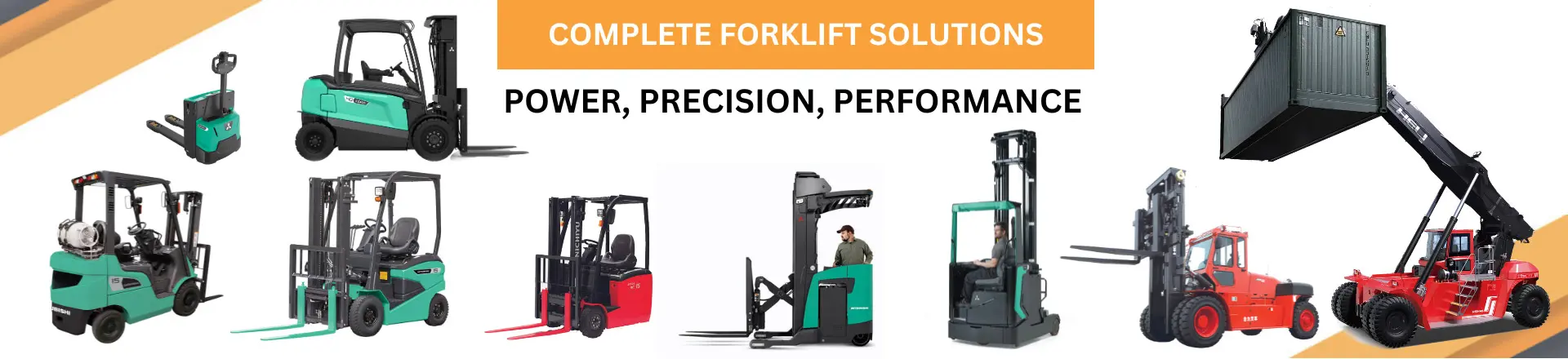
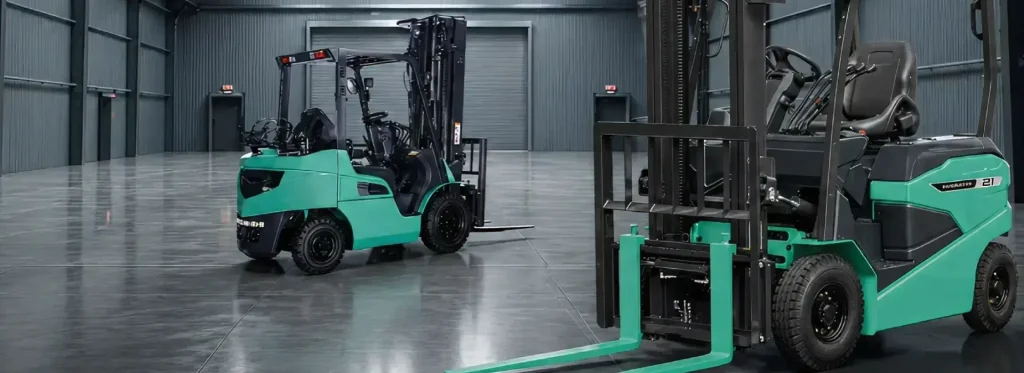
For Collie customers, that could mean helping with a workshop delivery, a building or property project, or a commercial handling requirement that only exists for part of the job. Forklift hire and rental through MLA Complete Forklift Solutions can be matched to the load, the operating environment and the work that needs to be completed, without making a straightforward hire more complicated than it needs to be.
Some Collie customers only need the forklift for a clear task. A pallet of building products might need unloading beside a shed. A workshop may have a machine arriving on a transport base. A contractor might need to move materials while a particular stage of work is underway.
The equipment requirement comes from that real job. A pallet moved at ground level on a suitable hard surface may call for a very different forklift from machinery that carries more weight or has to be lifted higher. Work that stays outdoors can also place different demands on a machine from handling inside a workshop or covered building.
It helps to identify the main lift before adding every possible task to the enquiry. If the forklift will spend most of its time unloading palletised materials, say so. If the important job is positioning a machine, that deserves to drive the discussion. Extra work can still be considered, but the machine should first suit the task that really brought the hire requirement about.
MLA’s Bunbury forklift hire operation supports South West WA hire and rental enquiries. For a Collie customer, the practical details are usually the load, the lift itself and the place where the forklift will operate.
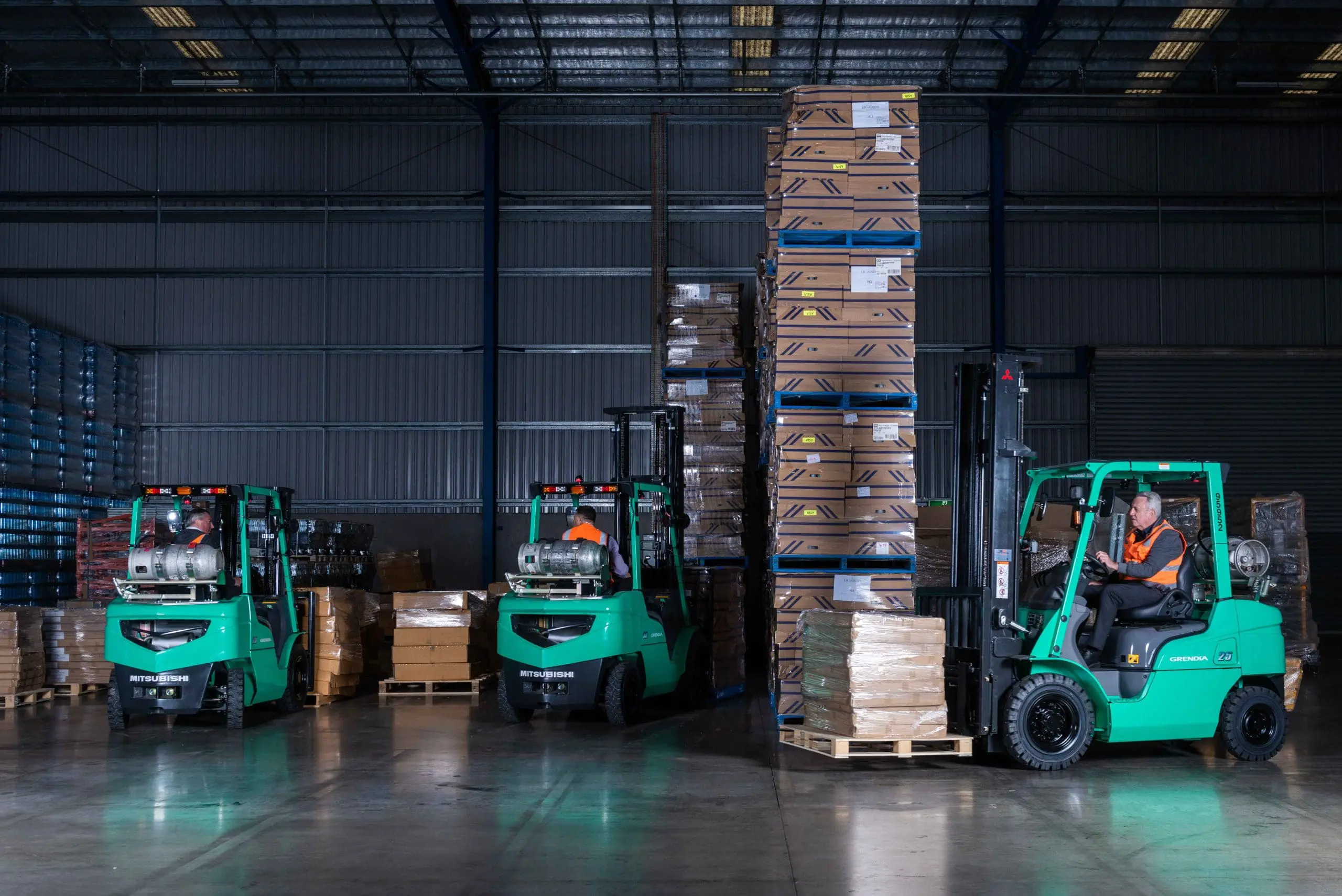
Collie’s Light Industrial Area, around Patstone Road and Harris River Road, provides a real local setting for workshops, machinery and industrial service activity. Jobs in that environment can involve more than newly delivered pallets. Equipment and components may spend time sitting on timber or steel transport skids before they are moved again.
A transport skid is part of the handling job because it is the surface the forks will actually support. A sound base may provide clear fork entry and stable support. Time in storage, weather exposure or previous handling can leave the same skid with split timber, distortion, loose connections or other visible deterioration.
The component above it may still have the same weight. The handling interface underneath it may have changed.
For a customer preparing to move stored machinery, a quick inspection of the current base can therefore answer an important question before the forklift arrives. Clear fork entry, sound supporting members and a stable connection between the item and its carrier all matter. Where the base is questionable, the load may need a suitable carrier or handling arrangement prepared before the forklift movement proceeds.
This is only one Collie hire scenario. A pallet arriving tomorrow, a builder unloading materials or a property owner moving equipment may have no transport-skid issue at all. Their hire should stay centred on their own load and site.
Load weight is important, but it rarely tells the whole story by itself.
Consider two jobs involving loads of similar mass. One is a compact pallet that only needs to reach ground level beside a workshop. The other is a larger machine that needs controlled positioning inside a building. The capacity requirement may begin in the same range, while the dimensions, handling position and operating space create very different jobs.
Lift height also becomes relevant as soon as the load has to reach a vehicle deck, storage position or other elevated point. For work outside, the actual surface also deserves attention. A prepared industrial area, a workshop floor and a regional property are different operating environments even when the load is identical.
The goal is to hire the forklift that fits the work without making the customer solve the specification alone. Photos or basic load information may help where something unusual is involved, while a straightforward pallet job may only require a few clear details.
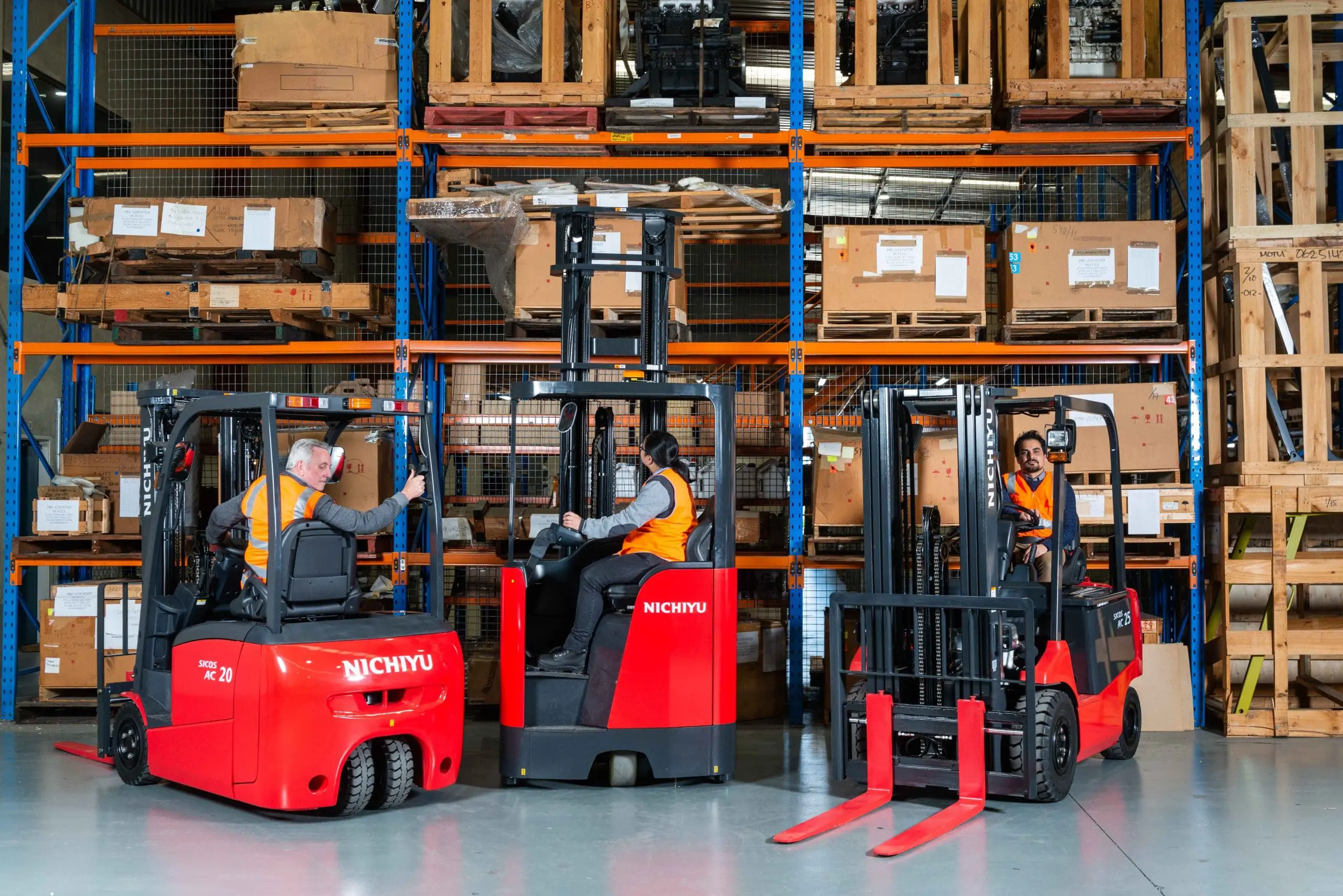
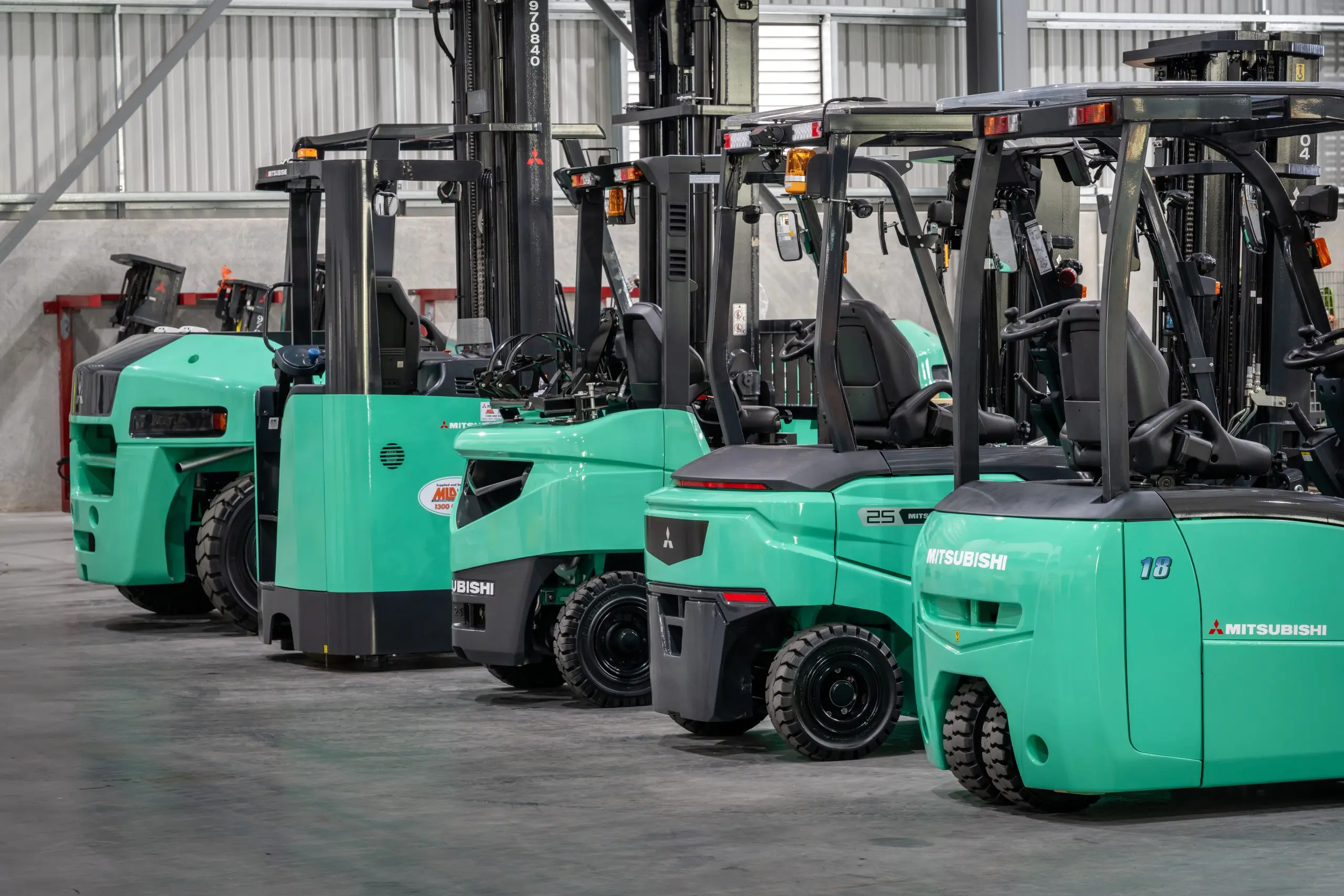
Yes, suitable hire may be arranged for a defined unloading or material-handling task as well as larger commercial requirements. The relevant forklift depends on the load and the operating conditions at the site. A pallet delivery, machinery arrival or building-material unload can each be discussed on its own merits.
Look at the base in its current condition before planning the lift. The forklift needs a stable handling interface with suitable fork entry and support. Visible deterioration in the skid may change how the item should be prepared for movement even when the machinery itself has remained unchanged.
Describe the main handling task first, then identify any other loads that materially differ from it. A forklift selected around pallets may need to be reconsidered if the work later includes heavier machinery, a different load shape or a substantially different lift height. The equipment should suit the actual group of tasks being assigned to it.
A Collie hire enquiry does not have to look like a warehouse contract. The customer may be running a workshop, carrying out building work, managing a rural property or simply dealing with a heavy delivery that needs mechanical handling. What matters is whether a forklift is suitable for the work and which configuration fits it.
Rental also has a place where forklift work continues across a project or repeated handling requirement. The booking can be aligned with that period of work without turning hire length into the main equipment decision. If the load or site requirement changes materially during the job, the suitability of the forklift should be reconsidered at that point.
Operator requirements and pre-use checks should follow the actual forklift supplied and the site where it will operate. Where a customer also owns forklift equipment that needs maintenance or repair, MLA’s South West operation provides a separate forklift service and repair pathway. The hire enquiry itself can remain focused on getting the required lifting work done.
For a Collie customer with a delivery, workshop move, machinery job or project coming up, the next conversation can be about the work in front of you and the forklift needed to handle it.