A new warehouse can look ready for work while the receiving process is still being worked out. Shelving may be marked, the office may be operating, and the first deliveries may already be booked, but nobody yet knows where incoming pallets will wait or how quickly they can be moved away from the roller door.
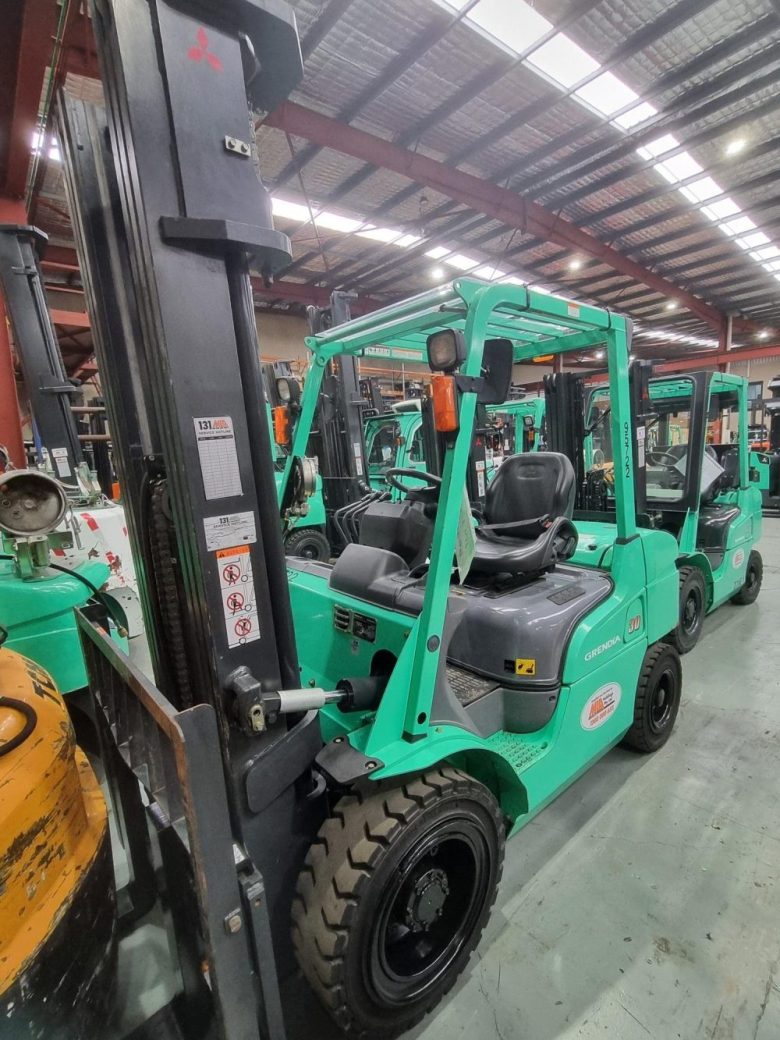
Temporary forklift hire gives the first stock intake a practical handling method without forcing an immediate ownership decision. The machine can unload, clear the receiving area and begin placing goods where the new operation can use them. MLA Complete Forklift Solutions can help shape the hire around the actual stock, warehouse movement and opening workload rather than the empty floor plan alone.
New industrial development around Pine Ridge Road includes high-clearance warehouse units within private estates. Those premises may provide modern space, but each new tenant still has to establish its own receiving rhythm. The same hire pathway can also suit a contractor unloading machinery, a property owner receiving one substantial item or a local workshop that needs extra capacity for a defined job.
The first intake often exposes decisions that were easy to overlook before goods arrived.
Pallets may be placed in front of stock that needs to move first. Opening supplies may occupy the space intended for daily receiving. Machinery, racking components and saleable goods may arrive together even though they need to finish in different parts of the premises.
The forklift should do more than remove each load from the truck. It should help prevent the receiving area from becoming temporary storage for everything that has not yet been assigned a place.
A useful opening plan separates the incoming work into three practical outcomes:
This is not a detailed warehouse-management exercise. It simply gives each main load somewhere useful to go, allowing the next delivery to enter without adding to the blockage.
A machine chosen based solely on warehouse size may not match the actual work.
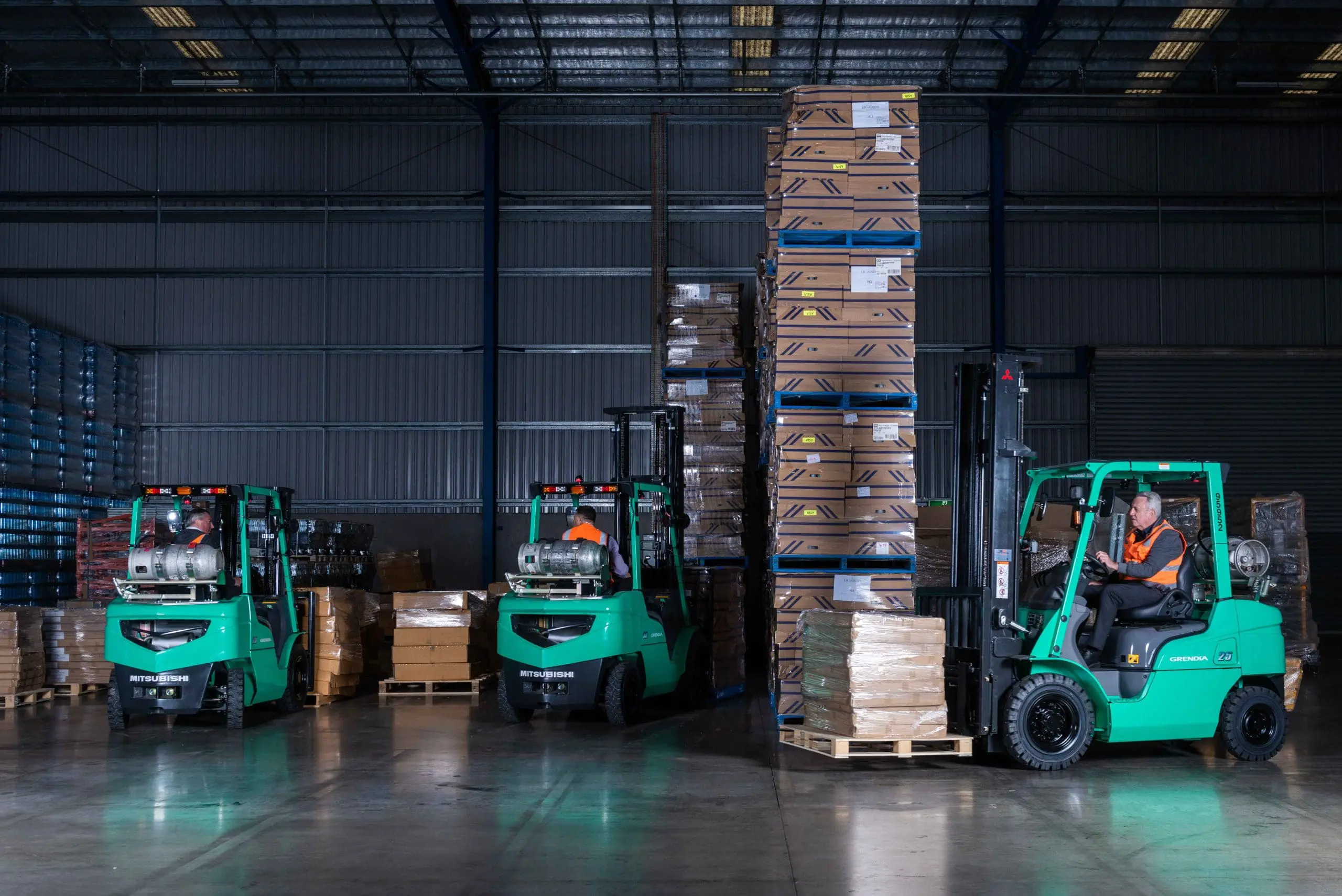
The first deliveries show whether the forklift spends most of its time unloading, carrying pallets across the floor, feeding storage positions or moving stock between receiving and dispatch. They also reveal whether one equipment category can handle the complete task.
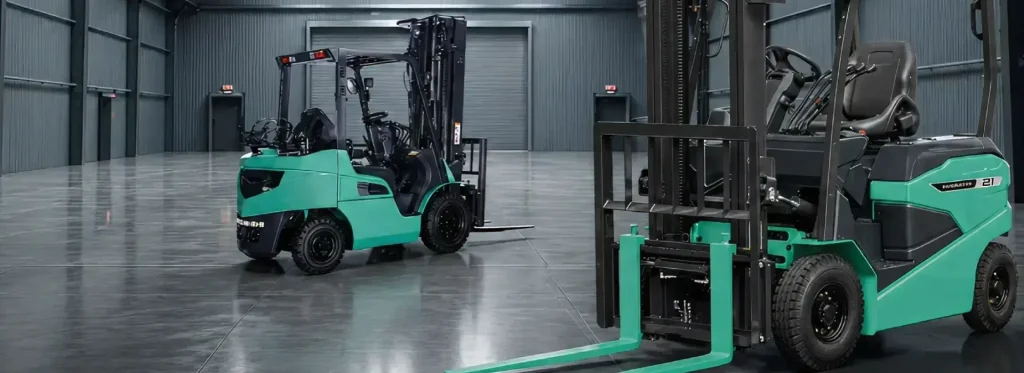
A counterbalance forklift may be practical where the machine needs to approach delivery vehicles and carry loads into the warehouse. Where most movement occurs between internal storage positions, a warehouse forklift may provide a better fit. Customers can review MLA’s warehouse forklift range when the opening workload includes put-away, retrieval or repeated internal pallet movement.
The decision should follow the actual loads. Heavy machinery, tall pallets, mixed packaging and stock intended for racking may each change the required capacity, lift height or equipment type. The most useful details are the main load form, where it needs to finish and the movement that will repeat most often.
That keeps the opening hire focused. The customer gains equipment for the work happening now rather than selecting a machine around assumptions that may change once the warehouse settles.
The first intake may be larger and less predictable than normal weekly receiving. Opening stock, consumables, machinery and fitout materials can arrive within the same project period, placing unusual pressure on a business that has not yet established its standard workload.
A project rental can support that concentrated opening work. One-day hire remains practical for a single machinery unload or a customer receiving one confirmed load, while longer rental may suit an operation that continues to rely on regular forklift movement after the initial intake has passed.
Temporary capacity may also be useful where an existing forklift cannot keep up with both unloading and put-away during a busy stock transition. The additional machine should have a defined role that improves the flow rather than simply adding equipment to an already crowded warehouse.
Where an owned forklift is being moved into the premises, any known fault should be raised before it becomes central to the new operation. Service, repairs and parts enquiries can be considered alongside the rental requirement. Temporary replacement may keep stock moving when the normal machine is unavailable, without creating a separate generic service section or delaying the receiving work.
New premises may begin with clear floors, but the first intake changes that quickly. Wrapped pallets, packaging, contractor equipment and incomplete storage areas can narrow the forklift’s movement before the warehouse has fully opened.
The receiving area should remain clear enough for the operator to approach and remove loads without working around parked vehicles or people carrying out unrelated setup tasks. Pedestrians should stay outside the forklift area, and staged stock should not block doorways, emergency access or the path needed for the next load.
Racking should only be used where the equipment, pallet and storage position are suitable for the intended lift. Reaching a beam does not by itself confirm that the machine retains the required capacity at that height. Loads awaiting inspection or assembly should remain stable and accessible rather than being placed wherever space happens to be available.
A short review after the first intake can also prevent a temporary workaround from becoming the permanent process. If pallets repeatedly wait in the same place or the forklift spends most of its time travelling rather than lifting, the rental requirement may need to be adjusted around the work now visible.
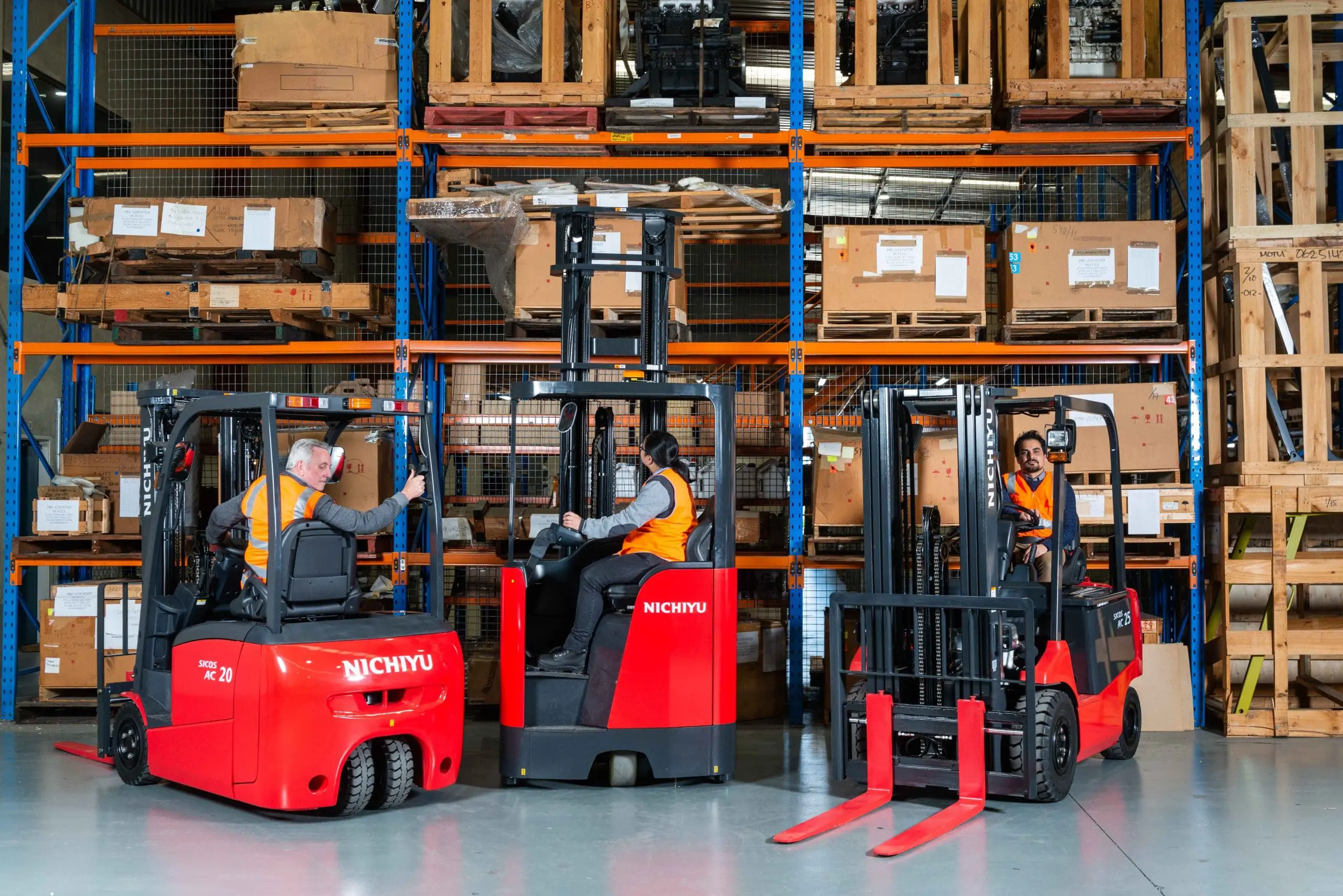
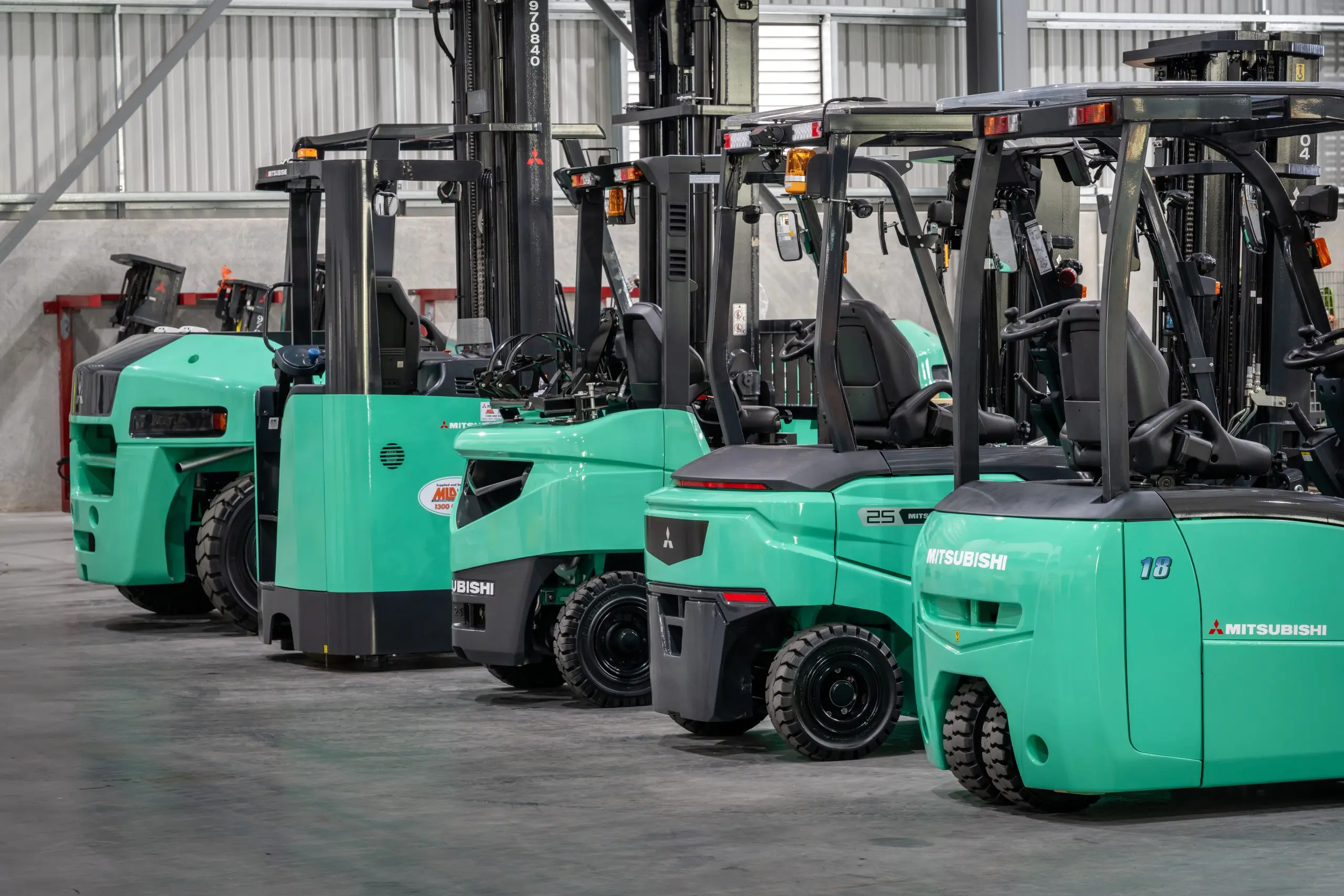
The Coombabah enquiry should describe what is arriving first, where those goods are expected to go and which movement must remain clear for the next delivery.
Send those details through MLA’s Contact Us page or call 1300 166 660. The conversation can then focus on a forklift or warehouse product that helps the new premises receive stock, clear staging space and begin operating without the first intake becoming an ongoing bottleneck.
Yes. A rental can support opening stock, equipment and project materials while the receiving and storage process is being established. The machine should be chosen for the work expected during that period.
The forklift can still support unloading and suitable floor-level staging. Put-away requirements should be confirmed once the storage positions, lift heights and pallet conditions are known.
No. The right category depends on where the machine will work and what movement dominates. External unloading may favour a counterbalance forklift, while repeated internal storage movement may suit another warehouse product.
Yes. Contractors, property owners and other customers may arrange suitable hire for one machine, a pallet, or a project load. The customer does not need an ongoing warehouse operation or an existing forklift fleet.