A marine component, fabricated assembly or piece of workshop equipment may arrive in Coomera inside a crate, secured to a pallet or held within a transport frame. Receiving it may be straightforward. The harder forklift decision can come later, after the packaging is removed and the component no longer has the same shape, support or balance.
Project rental can follow the item through the stages where powered handling is genuinely required. The forklift may receive the packaged load, move it between work areas and later handle the prepared component for assembly, inspection or dispatch. Equipment selection should reflect the most demanding stage, not only the convenient form presented by the delivery supplier.
Coomera’s marine precinct supports manufacturing, servicing, repair and refit activity, making changing component conditions a credible local handling problem. Forklift hire remains available for much broader work as well. A contractor positioning one machine, a workshop unloading pallets, a facility receiving equipment or a property owner arranging a suitable one-off delivery can all raise an enquiry without belonging to the marine industry.
Transport packaging is designed to help an item travel. It does not always show how that item will behave once work begins.
A crate may provide a flat base and obvious fork entry. After unpacking, the component might rest on narrow supports, an uneven frame or temporary blocks. A long assembly may need support across more than one point. A finished surface may also need protection from chains, forks or attachments that were acceptable while the item remained wrapped.
The first conversation should therefore look beyond the delivery dimensions.
Consider:
These details help determine whether one forklift can remain useful throughout the job or whether a different machine, attachment or handling method is needed at a later stage.
The goal is not to complicate a straightforward delivery. It is to prevent the project reaching a point where the component is ready to move, but the available forklift only suits the crate that has already been discarded.
A fabricated item can pass through several workable forms.
It may arrive packaged, move to a preparation area, receive additional parts and leave as a wider or heavier assembly. Another component may become lighter after temporary transport supports are removed but harder to balance because the remaining weight is no longer evenly distributed.
That change affects more than rated capacity. Fork spacing, load centre, attachment choice, visibility and the available turning area may all become relevant. The machine should also suit the environment in which each movement occurs, particularly where work passes between a yard, workshop and enclosed production area.
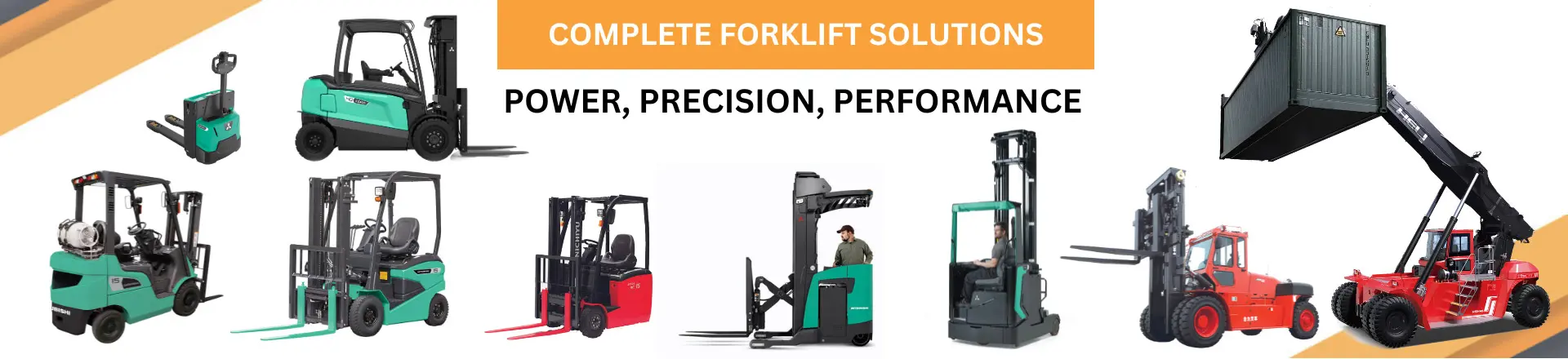
MLA Complete Forklift Solutions can use the known project stages to narrow the practical hire choice. The customer does not need to predict every small workshop movement. The useful information is where the component changes in a way that could alter the forklift requirement.
A one-day hire may still suit an ordinary machinery unload or confirmed pallet movement. Where the same component needs handling during fabrication, inspection and final dispatch, the rental can remain connected to that defined project. Longer rental may be considered when this type of movement becomes recurring workshop work rather than an isolated assignment.
Customers can explore MLA’s Gold Coast forklift hire options when comparing equipment for external receiving, workshop movement or temporary project capacity.
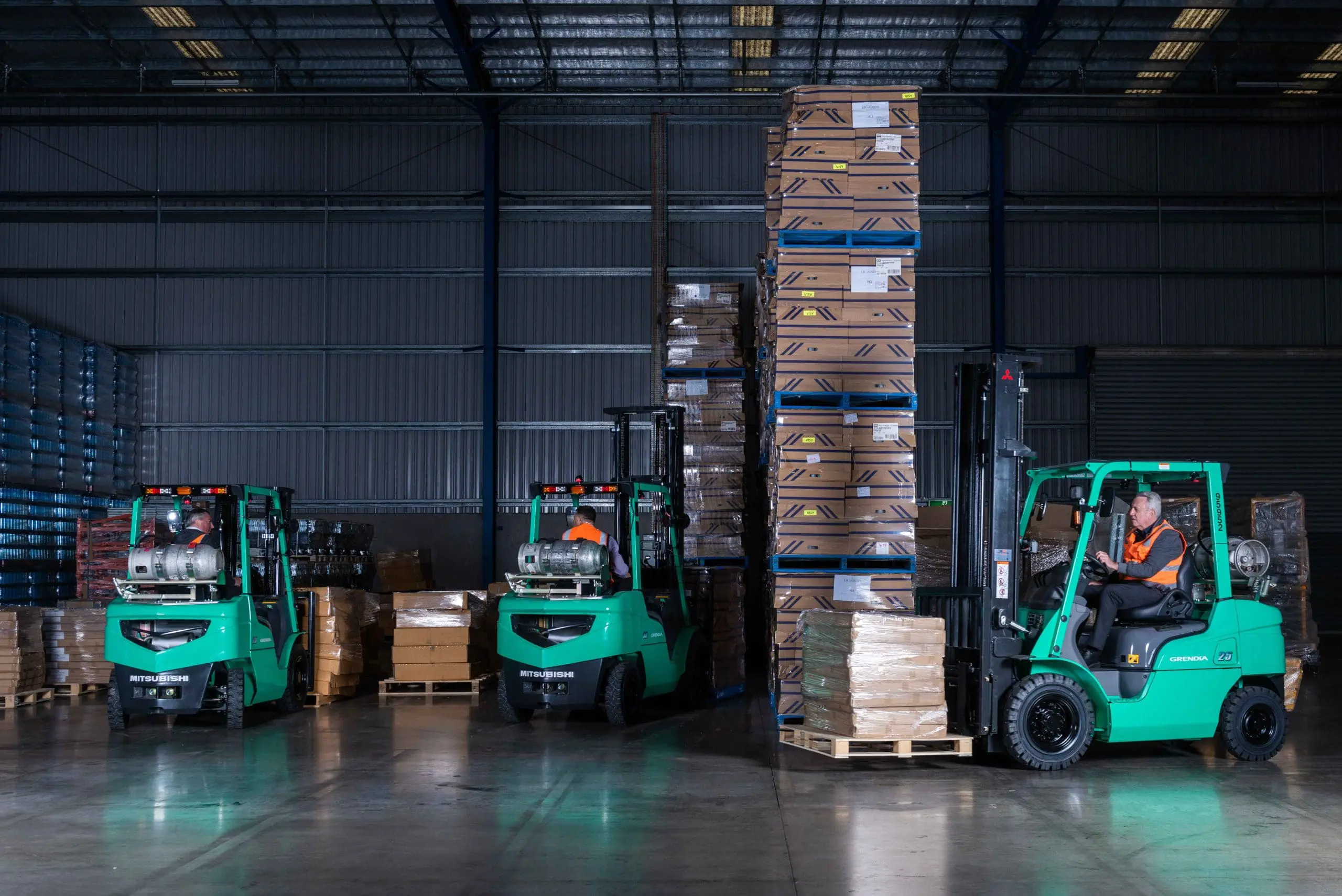
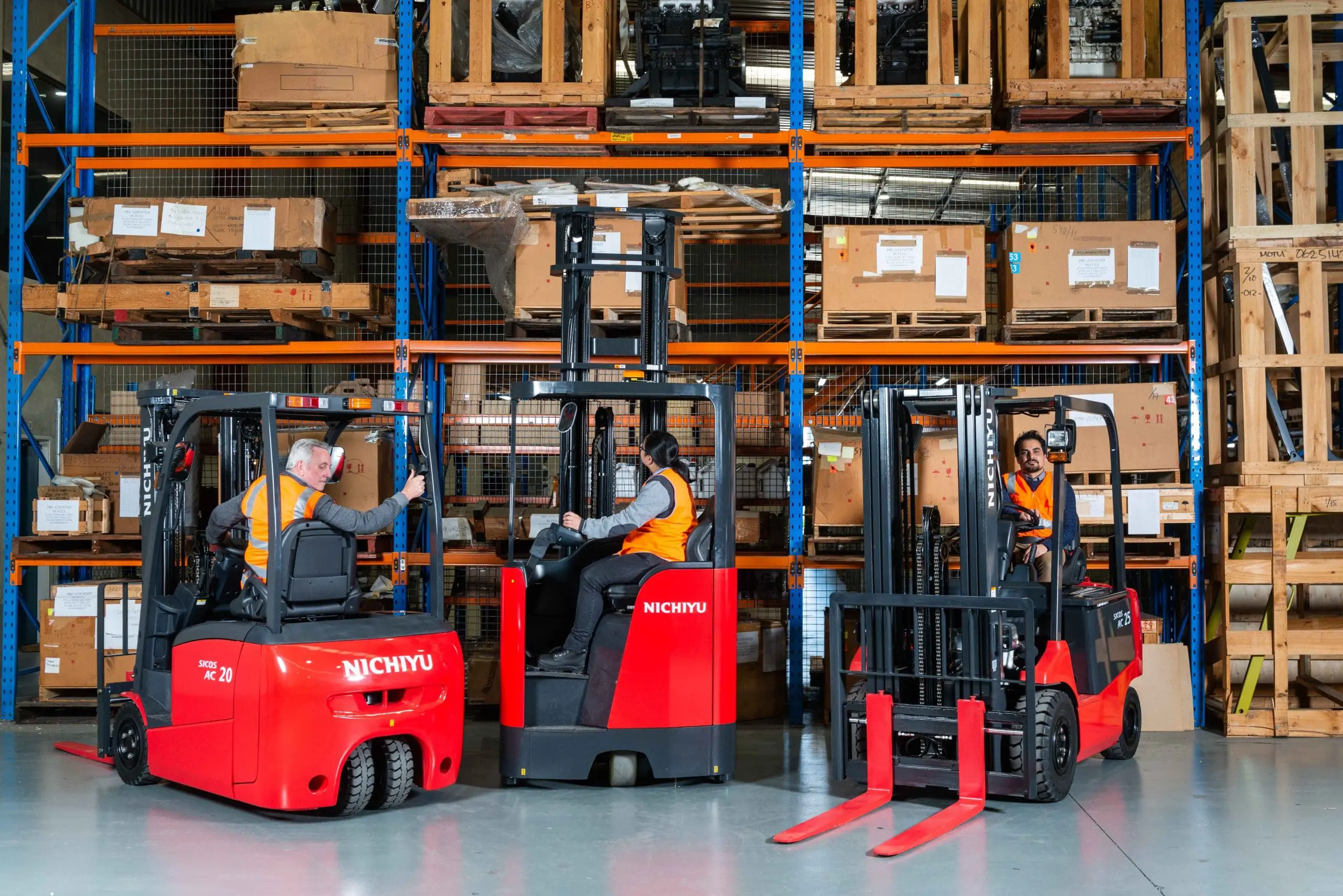
The way a component was lifted on arrival should not automatically be repeated after the item changes.
Transport frames, lifting eyes, skids and temporary supports may be altered or removed. Additional parts can shift the centre of gravity. Fabrication work may create projections that affect clearance or visibility. A previously stable item can require a different approach before it is lifted again.
The person responsible for the project should confirm the component’s current condition before each materially different movement. The forklift operator needs a stable load, suitable fork entry and enough room to complete the lift without relying on guesswork from an earlier stage.
This is also where existing equipment condition matters. Worn forks, an attachment fault or a recurring hydraulic issue may be manageable during ordinary pallet work but unsuitable for a changing or higher-consequence component. Servicing, repairs or a parts enquiry should be raised before that equipment becomes essential to the next project stage.
Temporary replacement can keep the work moving while the normal forklift is unavailable. The replacement should be chosen for the current task rather than simply copying the make or size of the machine being repaired.
Marine manufacturing and refit work can place components, tools, stands and contractor equipment around the same work area. The route that was clear during receiving may be narrower by the time the item is ready to move again.
Stands, packaging and unfinished assemblies should not reduce the operator’s turning room or block the intended placement point. People not involved in the lift should remain clear, and the load should not travel above workers, stored components or active workstations.
The next destination should be prepared before the forklift begins moving. A component placed in the wrong orientation may need another lift before assembly can continue. A finished item left across the dispatch area may block the vehicle that is meant to collect it.
The practical safety decision is to assess the component as it exists now, within the existing work area. Earlier weights, photographs and lifting methods may no longer describe the job accurately.
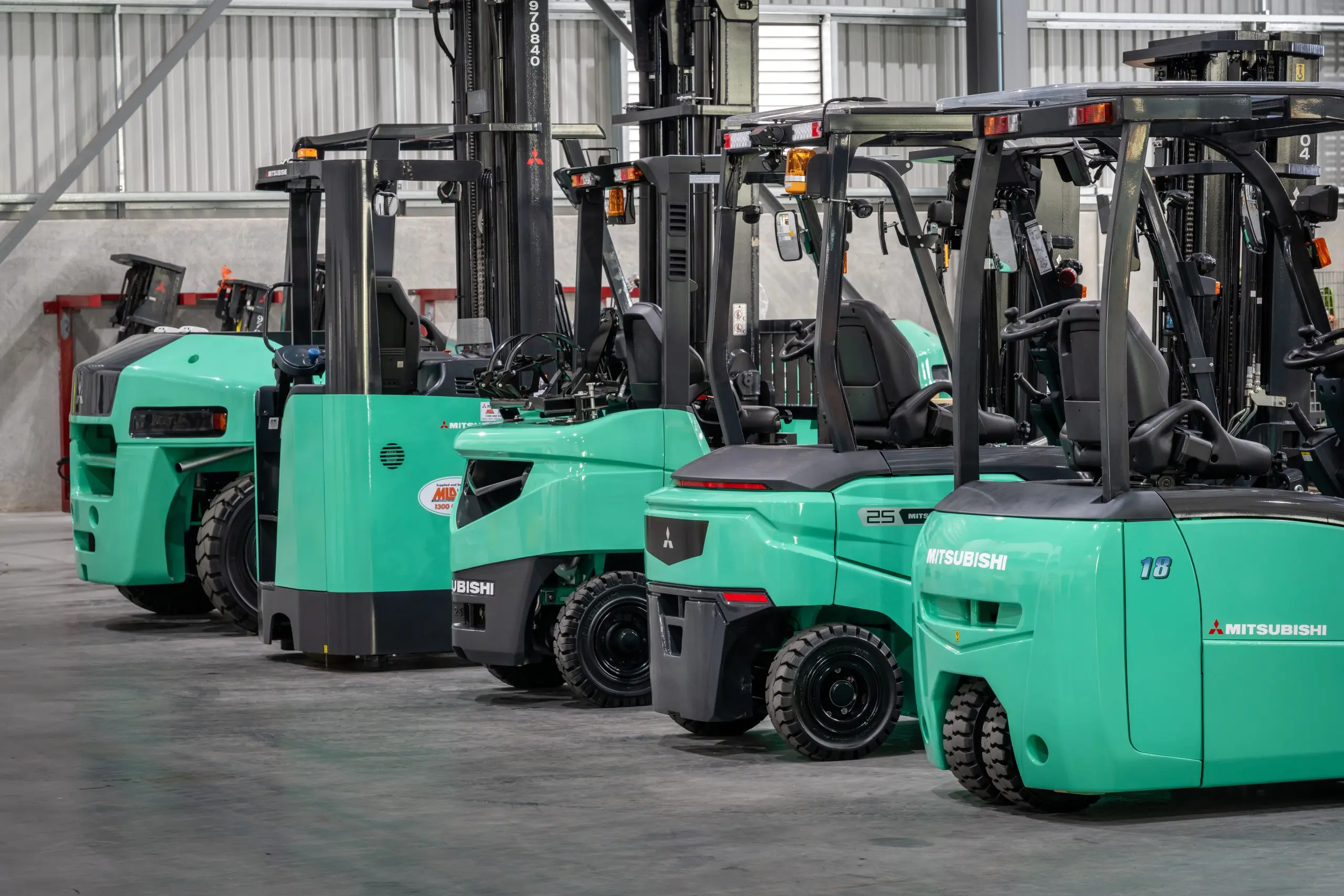
For a Coomera project, begin with the component’s confirmed weight, its delivered form and the main changes expected before the final movement. Include the highest lift, any known attachment requirement and whether the work occurs indoors, outdoors or across both areas.
Call MLA Complete Forklift Solutions on 1300 166 660 or send the project details through the Contact Us page. The discussion can focus on equipment that remains useful as the component moves from delivery through preparation and towards completion.
Yes. Where those movements belong to a single defined project, the hire can be assessed based on the component’s changing condition and the equipment required across the relevant stages.
The later weight, dimensions, balance and support arrangement should be confirmed before that lift. A forklift selected for the original delivery may no longer have sufficient capacity or stability after the component changes.
Yes. Hire is not limited to marine manufacturing or multi-stage projects. Suitable one-off unloading, stock movement, machinery positioning, temporary capacity and continuing rental requirements can also be discussed.
That depends on the component and the work being completed. The project team should determine whether the frame remains part of the safe support arrangement. Removing it may change fork access, balance and the method required for the next movement.
Yes. Existing forklift faults, worn forks, attachment concerns or parts requirements can be raised alongside the hire need. Temporary equipment may also be considered when the standard machine cannot support the current stage of the project.