A fabrication job, production run or temporary build can start with manageable deliveries and quickly fill the available floor space. Equipment cases arrive, panels wait for assembly, packaged materials sit beside active work, and finished items need somewhere to go before the next stage can begin.
Forklift rental gives the project temporary handling capacity without committing the customer to equipment that may not be needed once the work finishes. The machine can clear incoming materials, feed the active work area and move completed items towards storage or dispatch. The decision should follow the concentrated workload created by the project rather than the normal pace of the premises.
Currumbin combines established industrial activity with current planning that supports screen production and related work. That makes finite production and fabrication demand a credible local problem, but it is not the only reason to hire. A workshop receiving one machine, a contractor shifting palletised materials or another customer with a suitable one-off load can arrange forklift hire without operating a permanent production line.
The first problem may be unloading. A few days later, the pressure may be somewhere else.
Materials waiting near the roller door can prevent another delivery from entering. Components prepared for assembly may need to move closer to the people using them. Completed items can occupy the same space required for the next batch of work. The forklift requirement changes because the pressure moves through the premises.
A useful rental should support the movement creating the delay now. That might mean:
This is different from keeping a forklift onsite without a defined purpose. The machine should remove the repeated handling task that is slowing the project and give the workshop enough room to continue.
A one-day hire may be suitable when the customer only needs to unload machinery, relocate one substantial item or clear a confirmed group of pallets. A connected production block may justify project rental because the same materials need to be moved more than once. Where temporary work becomes regular handling, the rental can continue around the workload that remains useful.
Describing the job as a production, screen or fabrication project does not tell MLA what the forklift must do.
One Currumbin customer may receive cases and palletised consumables. Another may handle long fabricated panels, stillages or equipment frames. A contractor may only need a machine to unload and place materials before its own work begins.
The equipment choice follows the loads and movements that matter most.
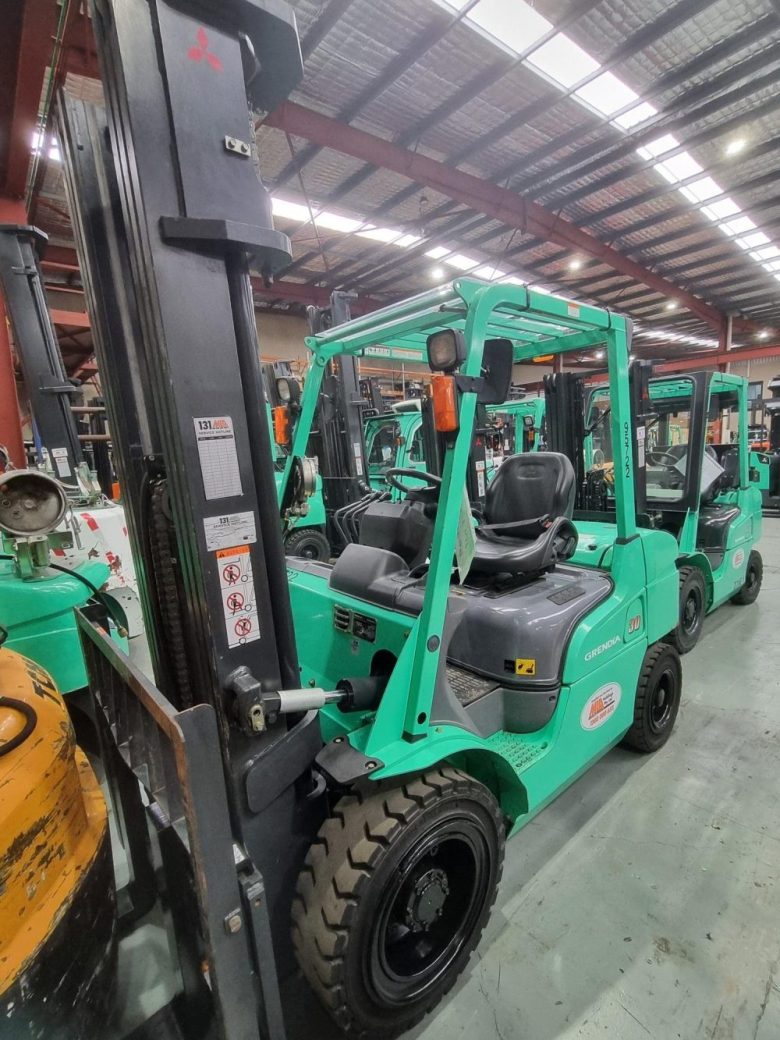
A counterbalance forklift may suit vehicle unloading and movement between an external area and the workshop. Where repeated handling stays inside a suitable building, a warehouse forklift may provide a more practical fit. The selection can also change when loads require racking, restricted turning space or more careful support than a standard pallet.
The useful starting information includes the main load form, the heaviest confirmed weight, and the movement that will recur during the project. That is enough to begin comparing options through MLA’s Gold Coast forklift hire service.
The rental does not need to handle every task on the premises. It needs to take pressure away from the movement that is consuming labour, blocking space or delaying the next stage.

Project work can make yesterday’s clear route disappear.
Cases are opened, packaging accumulates and completed pieces wait beside materials that have not yet been used. Contractor tools and mobile equipment can reduce turning room without anyone deliberately changing the layout.
The forklift route and placement area should be checked against the premises as they operate during the busy period, not the space that was available before the project began. People carrying out unrelated work should remain clear of powered movement, and staged loads should not block exits, doorways or the next required handling path.
Load form also affects safety. A tall case may restrict visibility. A fabricated panel may need support across a wider area. A stillage may provide fork entry that disappears when the component is removed. Packaging should remain secure during the intended movement, and a materially changed load should be treated as a new handling condition.
A simple staging decision can prevent repeated lifts. Materials required first should remain accessible. Finished items should not be placed where they must move again before collection. The forklift should leave each load ready for the next useful action.
A project can expose faults that were easier to tolerate during quieter work.
An owned forklift that normally completes occasional pallet movement may struggle when it becomes central to receiving, internal supply and dispatch. Warning lights, worn forks, hydraulic concerns or attachment problems should be raised before the machine is relied on for the busiest part of the job.
Servicing and repairs can be considered around the equipment condition, while parts enquiries can address identified components. Temporary replacement may keep the production block moving when the normal forklift is unavailable.
The replacement should suit the work created by the project. Copying the existing machine without considering the current loads may preserve the same limitation that caused the problem.


A Currumbin customer can begin with the project dates, the main materials and the movement that is already taking too much time or space.
Use MLA’s Contact Us page or call 1300 166 660 to explain where the forklift work begins, what it needs to move and where those loads should finish. The discussion can identify whether the requirement suits one-day hire, a defined project rental, temporary replacement or continuing equipment support.
Yes. A forklift can be hired for a temporary build, fabrication run, or production period where the need for handling has a clear beginning and purpose. The rental should reflect the work that needs completing rather than the industry label.
Cases, stillages, frames, panels and other packaged items may still be suitable for forklift handling. Their dimensions, support points, fork access, and confirmed weight need to be understood before selecting equipment.
Possibly. The answer depends on the external receiving area, the internal route, clearance and the loads involved. In some premises, one counterbalance machine may complete both tasks. Other jobs may be better served by different equipment for the internal movement.
Yes. The person coordinating the materials and work area may begin the enquiry when they understand the main loads and the movement required. The customer does not need to own a forklift or operate the premises permanently.