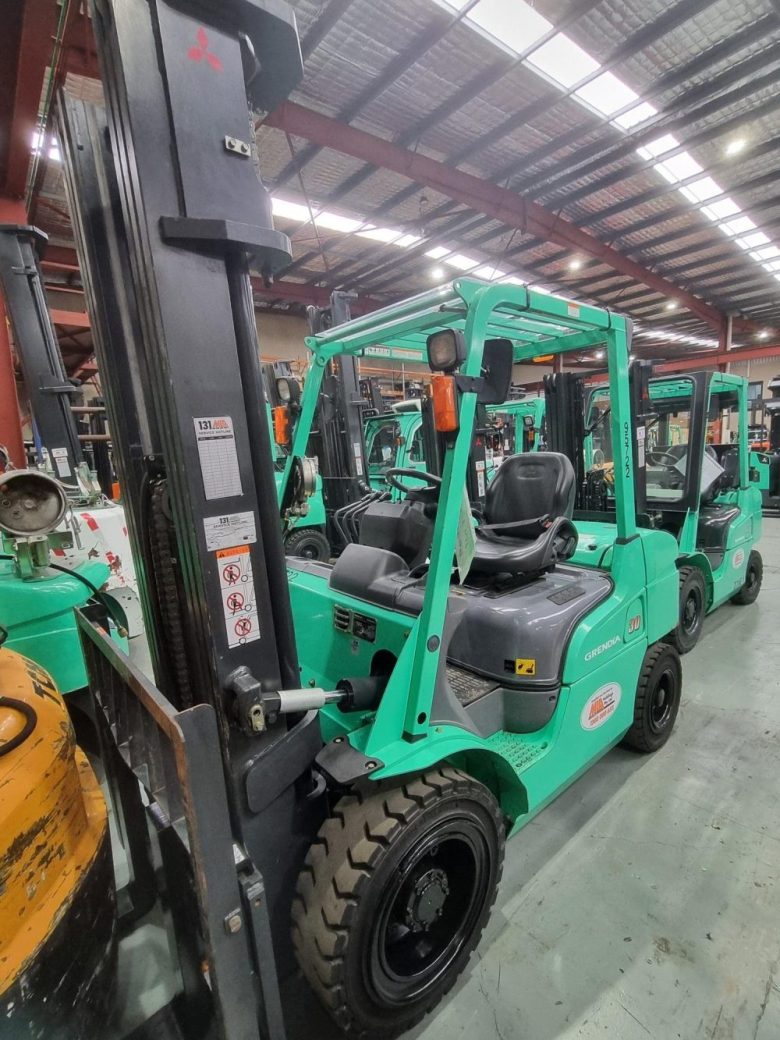
At 9:45 pm, an operator notices that the steering feels different, a warning appears or the same unusual noise returns. Production is still moving, so a note is left saying “check forklift” and the machine is parked. At 6:00 am, the next operator finds waiting work and an incomplete message. The decision is now being made under pressure: use the forklift, find another machine or hold the task.
Dandenong sits within one of Victoria’s largest manufacturing and logistics economies, where shared equipment and multiple shifts may be part of the operating model. A clear handover turns a vague concern into a decision on service, parts, or rental before the next operator starts. Sending MLA Complete Forklift Solutions the machine details and work that must continue creates a practical starting point.
A fault handover should lead to an operating decision.
Where the issue may affect safe use, the forklift should not return to work simply because pallets are waiting. The machine details and symptoms can be provided for inspection, while the site identifies which handling task cannot pause.
The practical options are:
The rental brief does not need to cover the entire operation. It can focus on the work that would otherwise stop while the affected forklift is inspected or repaired.
For a parts requirement, record the make, model, and serial number before ordering, rather than relying on memory. Add the fault description and photographs where the component is uncertain.
A service booking is easier to plan when the operating schedule is explained from the beginning.
Include the shifts worked, the periods when the forklift can be made available and the task that depends on it. A machine operating across two shifts may need a different service window from equipment used only during the morning.
The Melbourne forklift service and repair team can be contacted with the equipment details, symptoms and preferred access period. Where the machine must come out of service, temporary hire can be organised around the critical work rather than the whole site.
Repeated warnings also need attention. Clearing a note from the handover board does not explain why the symptom returns.
“Forklift playing up” does not explain whether the problem appeared once, returned under load or followed an impact.
A useful report does not need to be long. It needs to identify the machine and describe what changed.
| Record | Why it matters |
| Forklift number, make or model | Prevents the wrong machine being inspected |
| Time and shift | Shows when the issue appeared |
| Task and load | Connects the symptom to the work |
| What the operator saw, heard or felt | Gives the service enquiry a starting point |
| Any impact, warning or fluid found | Helps determine the next action |
| Where the forklift was parked | Stops the next shift searching for it |
Photographs of a warning display, damage or a visible leak may help. The report should reach the person responsible for arranging support.


A handwritten report explains one event. Fleet information can show whether the same issue is part of a wider pattern.
Usage records may reveal that one forklift is accumulating far more hours than similar machines. Impact reports may show repeated events along one route or for one task. Operator records can clarify who used the machine before a fault appeared, while maintenance alerts keep service planning visible across shifts.
The forklift fleet-management system includes functions for equipment usage, operator activity, maintenance reminders, impacts and battery or fuel information.
That data does not replace a pre-start check, inspection or repair. It provides a better basis for deciding whether the response should involve service, operator follow-up, a route review, rental or a change in work allocation.
Replacement hire works best when everyone knows what the temporary forklift is there to do.
It may cover one shift, one department, critical loads or a planned project while the normal machine is unavailable. The operator and supervisor should know which tasks are part of the rental and when it is expected to be returned.
This prevents the temporary machine from being pulled into unrelated work until the original problem becomes difficult to measure.
Include the load, lift height, operating area, shift times and expected repair period. If downtime changes, review the rental before the original end date arrives.


A defect process is only useful when the next operator sees it before starting work.
The forklift should have a clear status, the responsible person should know a report exists, and the team should understand which machine or task is affected. Pre-start checks remain necessary even when the previous shift reported no problem.
Operators must hold the appropriate high-risk work licence for the forklift and task. Pedestrian separation, exclusion zones, barriers and signs should remain part of the traffic-management system, especially where a replacement machine or changed route is introduced.
A rental forklift should enter the same reporting, pre-start and traffic rules as the permanent fleet.
Have the forklift number, make, model, serial number, fault description, photographs and shift details ready. Add the work that must continue and the time by which another handling arrangement is needed.
Call 1300 166 660 before the next operator is standing beside the machine with a full task list. Dandenong enquiries can also cover nearby Dandenong South, Keysborough, Noble Park, Hallam and Doveton where relevant.
Record the machine, time, operator, task, load and exact symptom. Include any impact, warning, damage or visible leak, plus whether the forklift was removed from use.
A machine should not return to work where the issue may affect safe operation. The report should be reviewed and appropriate inspection or service arranged first.
A temporary hire can be assigned to a defined shift, work area, or group of essential loads while the normal machine is unavailable.
Provide the make, model, serial number, fault description and clear photographs where the component is uncertain.
Available functions may include usage, authorised operator activity, impacts, maintenance reminders and battery or fuel information.
Yes. Suitable one-day deliveries, warehouse tasks, machinery movements, project work, temporary capacity and longer rental can also be arranged.