By the time a delivery date is booked or a project reaches its lifting stage, most customers already know the outcome they need. Materials have to come off a vehicle, machinery needs repositioning, a workshop has received something too heavy to handle manually, or a property job now requires mechanical lifting.
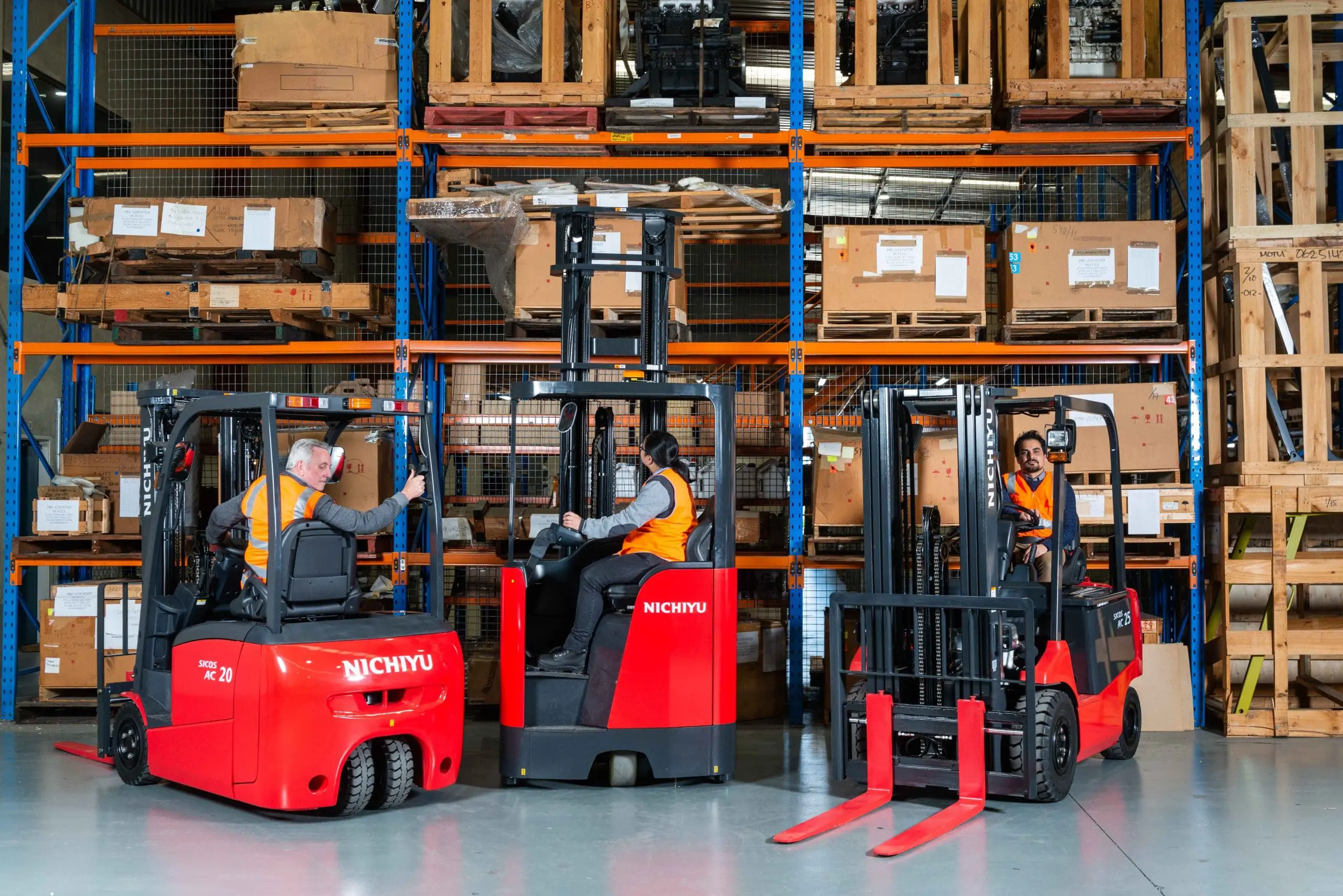
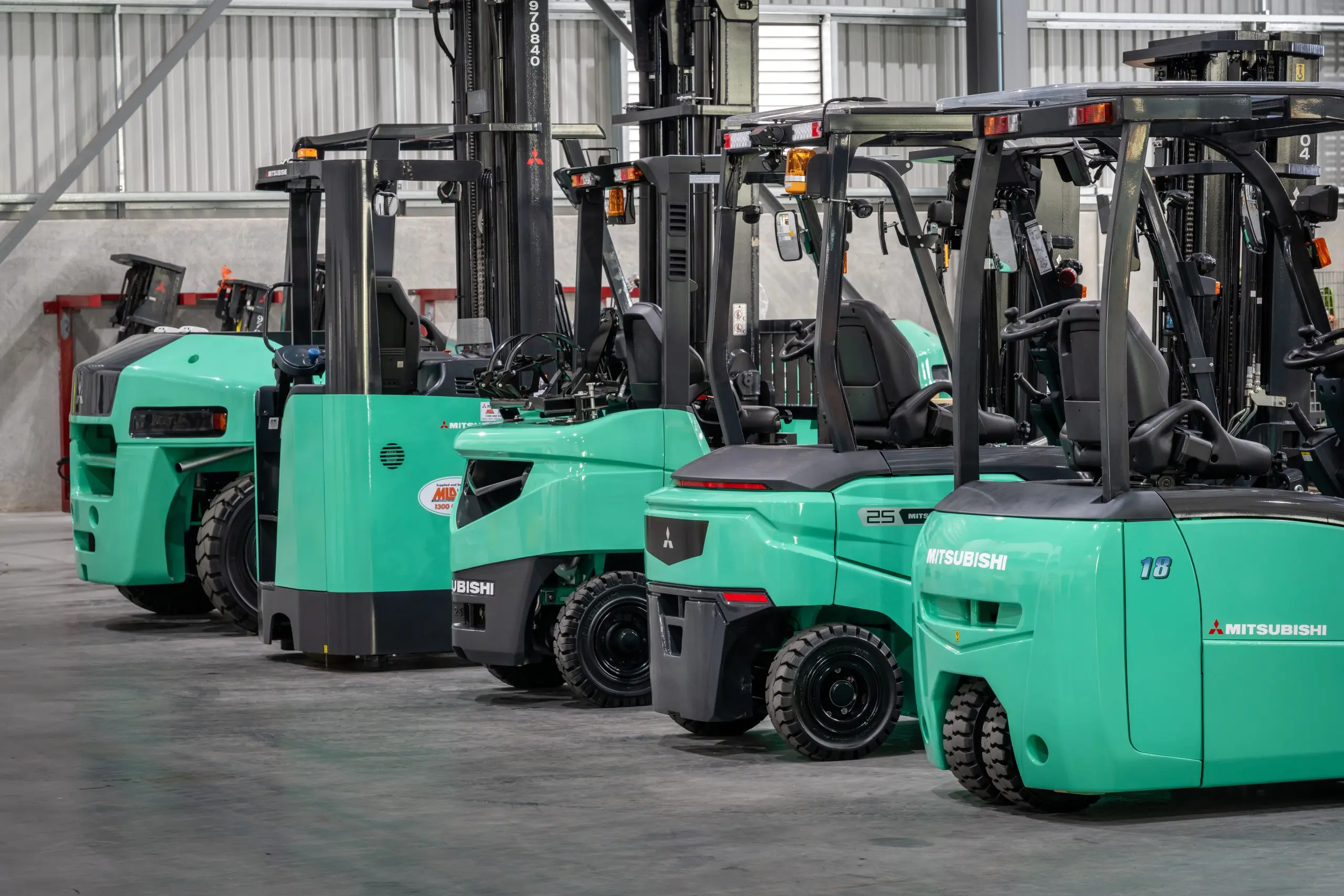
The forklift specification comes afterwards. Forklift hire and rental in Donnybrook can be organised around the load, the height involved and the area where the machine will work. MLA Complete Forklift Solutions provides South West hire support for customers with straightforward pallet work as well as heavier or less conventional lifting requirements.
For a builder, that might mean unloading packaged materials close to where they will be used. A workshop may need to move equipment without owning a forklift for the rest of the year. Commercial customers can have repeated pallet movements or project work that makes rental practical for a defined period. Each enquiry starts from its own job.
Many forklift tasks do not require a specialist handling solution. A stable pallet with known weight, clear fork entry and a suitable operating surface may only require the right capacity and lift height.
The same principle applies when several deliveries are involved. If the materials arrive in similar pallet formats and stay within the forklift’s working range, the equipment can be selected around that recurring task. Where one item differs substantially, that particular load can be considered separately.
MLA’s Bunbury forklift hire service provides a South West pathway for Donnybrook customers arranging this type of work. The useful part of the enquiry is what the forklift will actually encounter, including the load and the place where it will operate.
Outdoor property work may bring a different surface into the discussion from a workshop floor. Machinery may have a different centre of mass or support arrangement from palletised goods. Greater lift height may also change the capacity available at the point where the load needs to be handled.
Yes. A suitable delivery unload can be a complete forklift hire job in its own right. The equipment still needs to match the load and the working area, but the customer does not need an ongoing warehouse requirement to justify hiring a forklift.

Donnybrook has a long connection with sandstone, and quarry activity around Upper Capel Road gives the area a particularly recognisable heavy-material context. Stone packs are a useful example of why forklift selection cannot always be judged from the visible size of the load.
A compact pack of sandstone can carry considerable mass within a relatively modest footprint. The forklift therefore needs adequate capacity for the actual pack weight, but capacity is only part of the handling question. Brittle finished material also benefits from stable, well-distributed support beneath the pack.
If the forks support too little of the load depth, more of the pack may be left projecting beyond the supported area. Poor support can also place greater stress on the carrier or packaging beneath the stone. A sound pallet, skid or other suitable carrier should distribute the load in a way that allows it to remain stable during the lift.
For a dense pack, three details deserve particular attention:
These checks apply to the load being moved, not to every Donnybrook hire. A homeowner receiving a pallet of landscaping products, a builder unloading packaged supplies or a workshop shifting machinery may have a completely different handling requirement.
Capacity confirms only one part of the job. The pack also needs stable support and a suitable interface with the forks. Two forklifts with adequate nominal capacity may still differ in fork dimensions, configuration or suitability for the space where the load has to be moved.
Unloading is often only the first part of the job. Materials may need to travel into a shed, move across a yard or be positioned for the next stage of work. The forklift should suit that complete movement.
On a simple job, this may mean confirming that the machine can comfortably travel between the delivery point and storage area. On more demanding work, the route may involve a change in surface or tighter manoeuvring closer to the destination. Only the conditions that genuinely affect the machine need to shape the hire.
This is particularly relevant for customers handling both pallets and machinery. A forklift selected for incoming building products could also be suitable for equipment movement, but the heavier or differently supported item should be checked on its own requirements before it is added to the work.
If a load needs an attachment or a different fork arrangement, MLA also supplies a range of forklift attachments for specific handling applications. Attachment suitability and its effect on forklift capacity need to be considered together with the truck configuration.
A hire may cover one delivery or remain on site while a project creates repeated lifting needs. A contractor could have materials arriving across a construction stage. A rural business may know that several incoming loads will need handling during the same period. A workshop rearrangement can also create forklift work over more than one day.
Duration affects the commercial arrangement, while the load and site continue to determine the forklift. Keeping those two questions separate prevents a longer booking from becoming an excuse to accept a machine that only partly fits the task.
If the work changes during the rental, the change itself is worth considering. Adding a substantially heavier machine component, moving work onto a different surface or introducing a higher lift may alter what is appropriate even though the original booking remains active.
The hired forklift should arrive at a task that is ready for mechanical handling. Loads need to remain stable, the operator should be familiar with the supplied machine, and the working area should allow the movement to be completed without unnecessary interaction with people or vehicles.
For brittle materials such as stone, stability and support deserve particular care because damage to the load can occur even when the forklift itself has ample lifting capacity. For routine pallets or machinery, the same principle becomes simpler: secure the load in a suitable handling form and use the forklift within the conditions it was selected for.
Customers with a clear lifting requirement can then keep the conversation focused on the job itself, whether that means unloading one delivery, supporting a property project or handling repeated materials for a Donnybrook business.