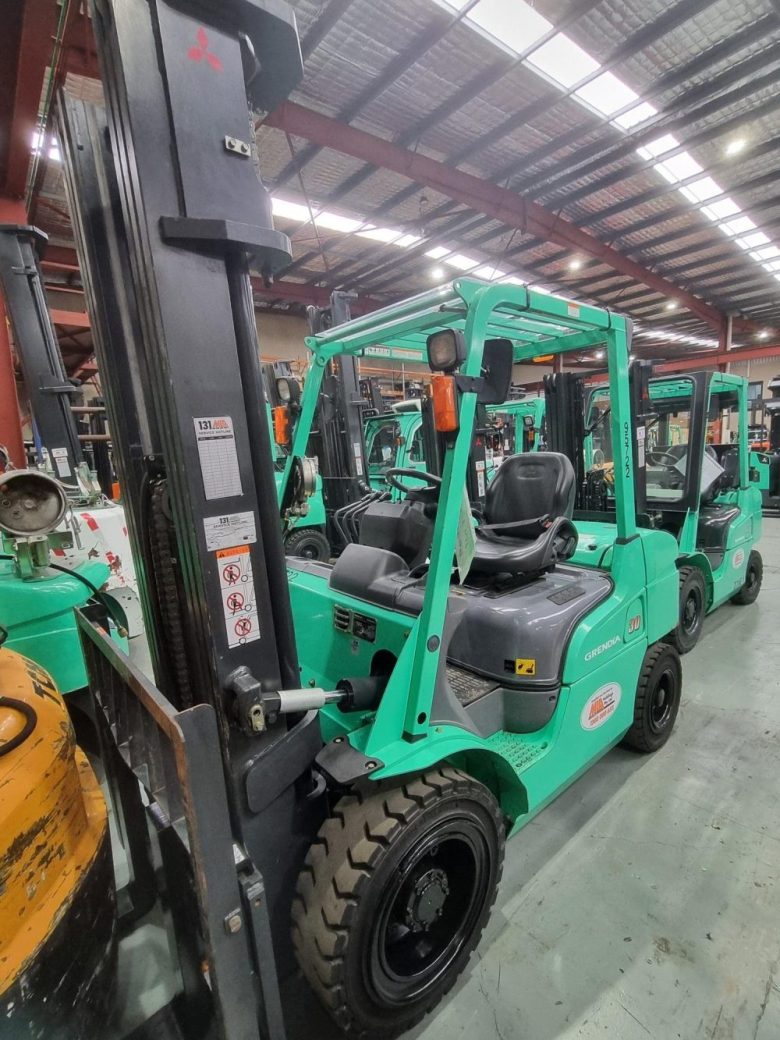
A retailer preparing a tenancy, a contractor unloading one machine, a local facility receiving a pallet or a property owner moving substantial project materials can arrange forklift hire in Elanora. A one-day hire may suit a confirmed delivery, while a rental can support a broader fitout, a temporary stock requirement, or a continuing materials-handling job.
Retail changeovers create their own pressure. Old fixtures need to leave, opening stock arrives in mixed loads, and new displays may reach the property before the tenancy is ready to receive them. Forklift hire provides a clear handling method for the physical reset, so contractors can keep working and incoming materials do not take over the available space.
The Pines Elanora offers casual, pop-up and short-term retail opportunities alongside established permanent tenancies. That makes temporary setup, campaign turnover and shop activation a credible local requirement, while the same MLA hire pathway remains available for ordinary pallet movement, machinery positioning, stock handling and other suitable work across Elanora.
A tenancy reset rarely involves one simple load.
Some fixtures are being removed. Others will remain and need protection. New cabinetry, displays, appliances, or packaged equipment may be arriving, while opening stock still needs a place to wait that’s accessible.
Putting everything into the tenancy at once can slow the fitout rather than help it. Contractors lose working room, later-stage materials block the items needed first, and stock may need to be moved again before trading begins.
The handling plan should distinguish between:
A forklift can remove substantial outgoing items, receive new materials and place each load where the next person can use it. The result should be a cleaner changeover, not a tenancy filled with heavy items in the order they happened to arrive.
A delivery may reach Elanora without the forklift needing to enter the customer-facing part of the premises.
A counterbalance forklift may unload pallets, fixtures or packaged equipment within a suitable private service area. The load can then transfer to a pallet mover, pedestrian stacker, installation trolley or another method suited to the internal floor and doorway.
Where powered handling continues inside a suitable building, equipment from MLA’s warehouse forklift range may be a better match than using a single counterbalance machine for every part of the movement.
The practical brief starts with the transfer:
These answers help select a forklift for the work it must complete. A large retail project does not automatically require a large forklift, and a compact machine still needs enough capacity, clearance and fork access for the actual load.
Stock often arrives while the tenancy is still changing.
Cartons and pallets placed too early can cover floor areas needed by installers. New displays may be assembled while outgoing fixtures are still waiting for collection. A short campaign or pop-up setup can face the same problem on a smaller scale because every item arrives within a concentrated preparation period.
Temporary staging allows the project to receive goods without sending them all into the tenancy immediately. The forklift may group opening stock near the agreed handover point, keep fixtures accessible in installation order or move outgoing items away from the materials still required.
Project rental can remain available across connected fitout and opening movements. A retailer receiving stock more frequently may later need a longer arrangement, while temporary additional capacity can help an established operation manage a seasonal campaign, a larger delivery, or a short period of higher demand.
General hire remains practical for far smaller jobs. One pallet, one fixture, one machine or a short group of connected movements may be enough to justify hiring suitable equipment without creating an ownership requirement.

A forklift that normally moves occasional pallets may become central when a tenancy or stock area is being changed.
Known hydraulic concerns, warning indicators, damaged forks or attachment faults should be addressed before the equipment is expected to unload, clear and reposition several substantial loads. Service and repairs can deal with the machine’s condition, while a parts enquiry may help identify what is required to return it to use.
Temporary replacement can keep the reset moving while the regular forklift is unavailable. The replacement should suit the actual changeover work rather than simply duplicate a machine that may already be poorly matched to the premises or loads.
The same enquiry can cover the immediate rental requirement and the condition of existing equipment without turning the fitout into two disconnected problems.
Retail and community premises may remain active in the vicinity of the work. The forklift movement should stay within a controlled private area separated from shoppers, visitors, parked vehicles and tradespeople carrying out unrelated tasks.
The destination for each load should be clear before lifting begins. Fixtures placed across an entrance, opening stock left in contractor space, and packaging stored in the movement path can all lead to repeated handling.
Tall display packs, cabinets and appliances may reduce operator visibility. Long or uneven loads may need different fork support from standard pallets. Packaging should remain secure until the planned movement is complete, and any item that changes form after unpacking should be reconsidered before another lift.
Safety improves when the forklift completes a defined task and leaves the load ready for the next stage.


Explain what is leaving, what is arriving and what must be accessible before the tenancy can reopen or the project can continue. That gives the quote a commercial outcome rather than treating every pallet and fixture as a separate booking.
Call MLA Complete Forklift Solutions on 1300 166 660 or use the Contact Us page to outline the Elanora job. The discussion can identify suitable equipment for a single delivery, a connected changeover, temporary extra capacity, or a continuing rental requirement.
Yes. A temporary tenancy may arrange suitable hire for fixtures, displays, opening stock or packaged equipment. The requirement depends on the loads and private work area, not the length of the retail lease.
Yes, where the equipment suits both movements, and they belong to the same changeover. Explain which items are leaving, which are arriving, and the order in which the new setup needs them.
The forklift may complete the external unload and place the load at an agreed handover point. Warehouse equipment, installer tools or another handling method can then manage the internal movement.
Yes. Suitable hire may cover one pallet unload, machinery positioning, stock movement, property work, temporary capacity or recurring handling. A retail fitout is only one local example.
Temporary replacement may protect the fitout or stock movement while servicing, repairs or parts requirements are addressed. The rental should be selected for the work that still needs to continue.