

“It is ready to go. It is already on the trailer.”
That sounds like most of the job has been solved. Then the forklift arrives, and the load is sitting too low for the forks, tight against the trailer sides or with its usable fork entry facing the headboard. The machine may have enough capacity, but it still cannot collect the item as presented.
The hire conversation with MLA Complete Forklift Solutions starts there. How is the load supported on the vehicle? Which side can the forklift approach? Is there room for both forks to enter fully? Once that is understood, the customer can discuss equipment for the actual pickup rather than booking based on the item’s weight alone.
Gawler serves customers across the town and a wider regional catchment. A contractor collecting a pump, a workshop receiving a palletised machine or a property owner arranging a substantial project delivery may all encounter loads arriving on utes, flatbed vehicles or trailers. Warehouse stock movement, temporary business capacity and longer rental needs can be handled through the same MLA hire pathway.
A normal pallet on a truck may offer clear side access for the forks. A smaller vehicle can present the same pallet in a very different way.
The tray may sit close to the load. Trailer guards, sides or wheels can block the forklift’s approach. A machine may be strapped to a timber base with useful fork entry only from one direction. Materials collected from a supplier may have been positioned for transport without anyone considering how they will be removed at the destination.
That is why “the load is on a trailer” does not complete the forklift brief.
The customer may have measured the item and confirmed its weight, yet still be surprised when the forks cannot get beneath the support. Turning up with a larger forklift does not solve that problem. Greater capacity cannot create fork openings or remove a physical obstruction between the carriage and the load.
A better booking looks at the vehicle and load together. The forklift needs a usable approach, sufficient fork engagement and enough room to lift without contacting the trailer or relying on part of the load that was never intended to support it.
The answer might be a standard pallet, a purpose-built skid, a machinery frame or another prepared support. That distinction matters more than the product name.
A pump, compressor or generator can have feet that leave no reliable place for ordinary forks. A pallet of materials may be accessible from only two sides. A second-hand machine might have been loaded using equipment or lifting points that will not be available when it reaches Gawler.
Photographs showing the item on the vehicle can make the problem visible before the booking. The important view is not only the load from a distance. It is the space beneath it, the support that carries it, and the side the forklift can genuinely reach.
From there, the Adelaide forklift rental range can be considered against the pickup and the work that follows. The answer may be a suitable counterbalance forklift, a different fork arrangement or an appropriate attachment. In some cases, the load may need to be prepared differently before conventional forklift handling becomes practical.
MLA’s role is to help the customer reach that decision before the equipment and load face each other, leaving nowhere for the forks to go.

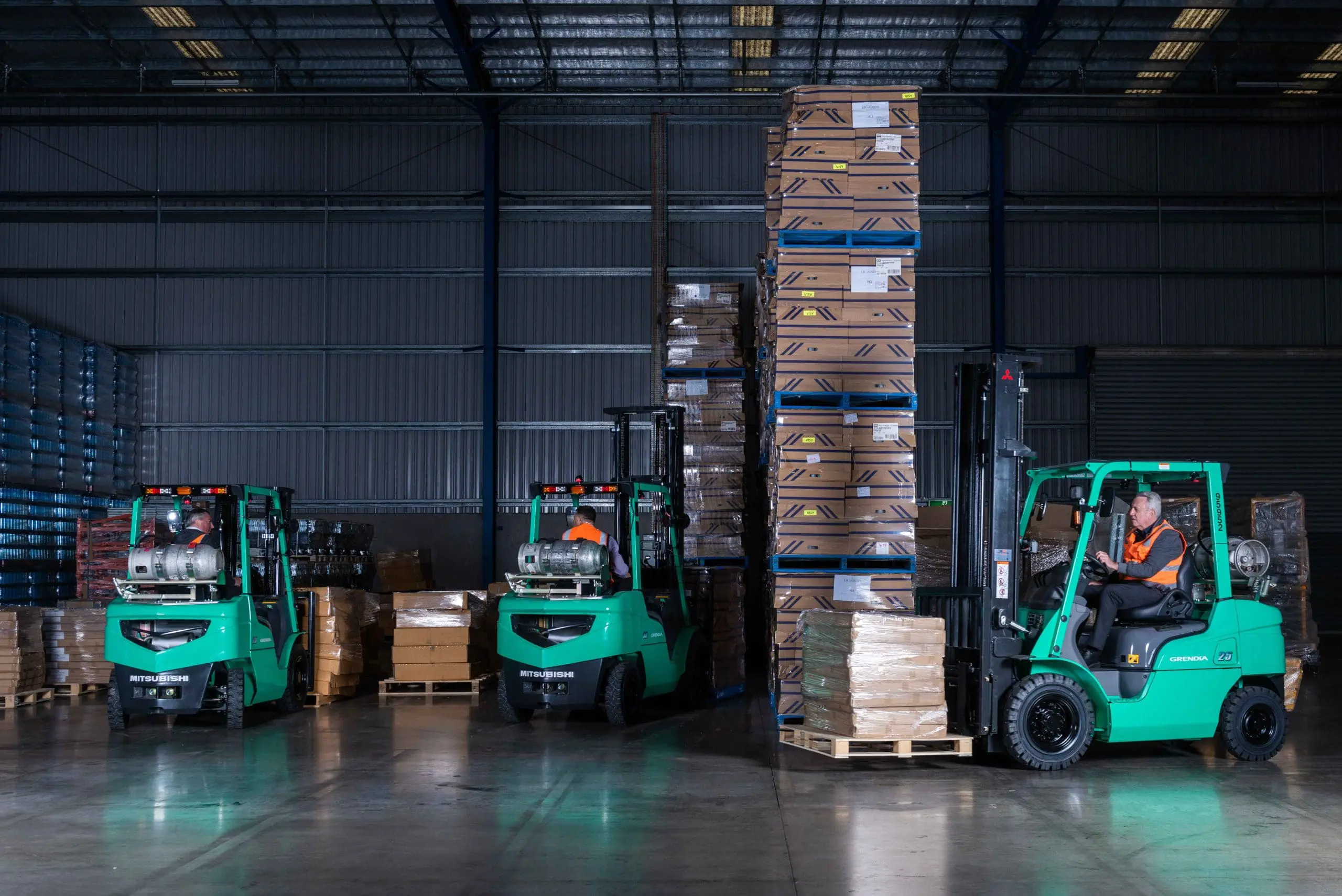
The Gawler enquiry does not need to involve unusual machinery.
A pallet of workshop supplies may need to be offloaded from a small delivery vehicle. A builder could require project materials unloaded across several stages of a job. An operator with a busy intake may need temporary additional capacity while the regular forklift remains committed elsewhere.
One-day hire may be enough for a defined unload and placement. A project booking can cover the period when several suitable loads are moving. Where materials handling becomes part of normal work, a longer rental can be based on that continuing task rather than the vehicle arrangement that created the first enquiry.
The service remains useful to someone hiring for the first time. The customer explains what is arriving, how it is supported and what the forklift must complete after pickup. MLA then connects those details with an appropriate hire discussion.
Pressure rises quickly when the delivery vehicle is waiting, and the gap beneath the load is smaller than expected.
The operator should not lift with one fork because only one side is accessible. Forks should not be forced beneath unstable timber, used to push the load sideways or left partly engaged because the trailer blocks further entry. Nobody should stand between the forklift, vehicle and load to guide a tight approach by hand.
The load needs stable support across both forks, with the spread and engagement suited to its base. If the vehicle arrangement prevents it, the lift needs to be reconsidered before the item is moved.
This is also where equipment condition matters. Damaged forks, carriage wear, or any other fault that affects the secure collection of the load should not be ignored to save the booking. MLA’s forklift service and repair support can address owned machines, with any parts requirements following proper identification of the forklift and the issue.
Suitable temporary rental may keep the waiting job moving while the regular machine is unavailable. The replacement still needs to match the current load and presentation rather than simply resemble the forklift being repaired.


Forklift hire & rent in Gawler should be planned around the load as it sits on the arriving vehicle, not just around the item’s weight.
Call MLA Complete Forklift Solutions on 1300 166 660 with the load support, vehicle type and intended movement, so the booking begins with a pickup the forklift can actually complete.
It depends on whether the forks can approach and enter the pallet fully without contacting the trailer. The height and vehicle layout need to be considered before selecting equipment.
Do not assume the load can simply be dragged or turned with the forks. Its support and the available approach should be reviewed before attempting the pickup.
No. Weight is important, but the base, fork entry, vehicle presentation and movement after unloading also affect whether the planned forklift can complete the job.
Explain how the item was loaded and provide photographs where possible. The unloading arrangement must work with the equipment and access available at the receiving end.










