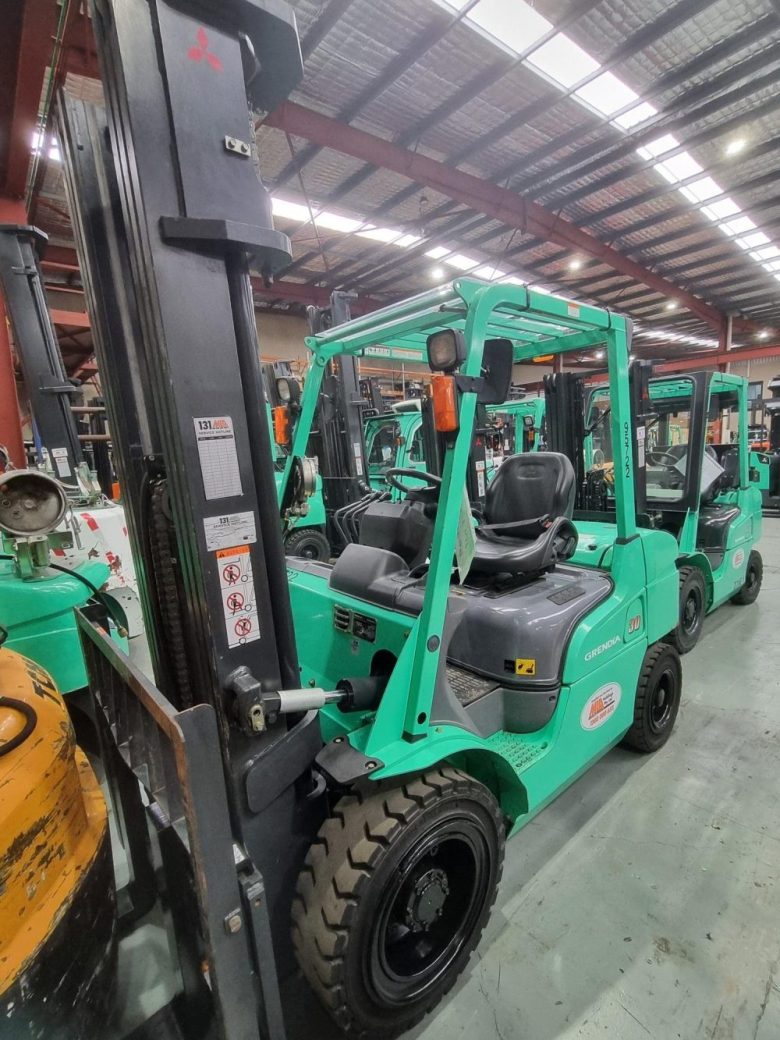
Racking is installed, stock is arriving, and the first substantial loads are ready to move. What is still unclear is how the operation will behave once normal work begins. The forklift may spend more time unloading than expected, travel further between storage and production, or handle a very different mix of tasks from the one shown on the original plan.
MLA Complete Forklift Solutions helps Geelong customers use hire and rental without treating an early estimate as a permanent equipment decision. A project rental can cover setup and initial operations while the business learns from real use. Where the requirement is already clear, one-day hire, short-term rental or a longer arrangement can be discussed directly.
Not every customer is opening or expanding premises. A local workshop may need machinery positioned, a supplier may have one pallet delivery to unload and an established warehouse may need temporary capacity. These are ordinary hire enquiries, with no need to fit the growth scenario described above.
Greater Geelong is reviewing industrial land needs for warehousing, trade supplies, manufacturing and other employment uses across sites of very different scales. That varied local setting makes early equipment assumptions relevant to some customers, but the forklift still has to be selected from the individual job.
Plans describe dimensions and intended uses. Daily operation reveals where time is actually lost.
A business may discover that the longest task is internal travel rather than lifting. The original lift height may be correct, but the machine may not suit the aisle or turning area. A counterbalance forklift may be needed outside, while repeated indoor pallet movement points towards warehouse equipment. One machine may be covering several functions that would be easier to separate.
Four observations are especially useful:
These observations should not become a lengthy operations study. Their value is practical: they show whether the initial rental still fits, whether the term should change and what information matters before the next equipment decision.
The business does not need to pause setup or normal operations while any future details are resolved.
A one-day booking can complete a known movement. Short rental can support initial stock placement, commissioning or a temporary workload. A longer rental may become useful once the recurring task is clear and the customer wants reliable access to equipment without purchasing.
The important point is that the term follows the real commercial need. A temporary setup period should not be treated as permanent demand. An ongoing handling requirement should not be managed through repeated urgent bookings if continuous access would be more practical.
Rental can also show that the original assumption was correct. If the machine suits the loads, travel, height and environment, the business has real information supporting the next decision rather than relying on guesswork.
The immediate job and the developing operation need different levels of planning.
A single delivery, stock move or machinery placement may have a known load, location and finish point. The customer can focus on the weight, dimensions, lift height, operating area and required date.
One-day hire may be enough. Several connected movements may suit short rental, while regular warehouse or workshop work may justify a longer arrangement.
A new or changed operation often knows what must happen first but not how the forklift will be used after the opening period. Early deliveries and setup work provide the first evidence.
A project rental can support that stage without forcing the business to copy an old specification or purchase equipment before the recurring task is understood. The customer gains time to see which work actually occupies the machine and whether one equipment type can cover it well.
MLA’s forklift rental options include short and longer arrangements across counterbalance and warehouse equipment categories. The enquiry can remain small when the job is small, and expand only when the operating requirement supports it.


A new requirement does not automatically make an owned forklift obsolete.
The existing machine may remain valuable for loading, yard work, a previous site or a lighter part of the operation. A rental can cover the new task without removing equipment from work it already performs well.
Condition should be considered separately from suitability. A warning, hydraulic issue, worn fork or overdue service should not be carried into a more demanding workload simply because the machine is familiar. MLA’s forklift service and repair support can be discussed using the equipment identity and symptoms.
Parts enquiries are easier to progress with accurate make, model and serial details and a clear description of the component. Rental may protect a defined task while the service, repair or parts requirement is assessed, depending on the job and current arrangements.
The forklift must be rated for the actual load and configured for any approved attachment. Surface, clearances, visibility, and interaction with pedestrians can all affect the suitability of the option.
Operators must be appropriately authorised, and the work area should keep people clear of forklift movement. These requirements apply to one-day hire and long-term use, but they should remain connected to the real task rather than becoming a generic barrier to enquiry.


For a one-off job, begin with the load, workplace and required date. For a new or changing operation, add what is already known and which equipment assumptions still need testing.
Use MLA’s contact page or call 1300 166 660 to discuss forklift hire and rent in Geelong for a delivery, setup period, temporary capacity or longer rental.
Yes. Hire may cover one unload, machinery placement, stock movement, a fitout or another defined task. A new facility or expansion is not required.
Not automatically. Use the new load, lift height, travel, clearances and operating environment to check whether the old specification still suits the work.
Cover the confirmed setup or operating period and explain what may extend it. The term can be reconsidered when actual use provides better information.
That may be practical. Explain what each machine would do and how long the overlap is expected to continue.