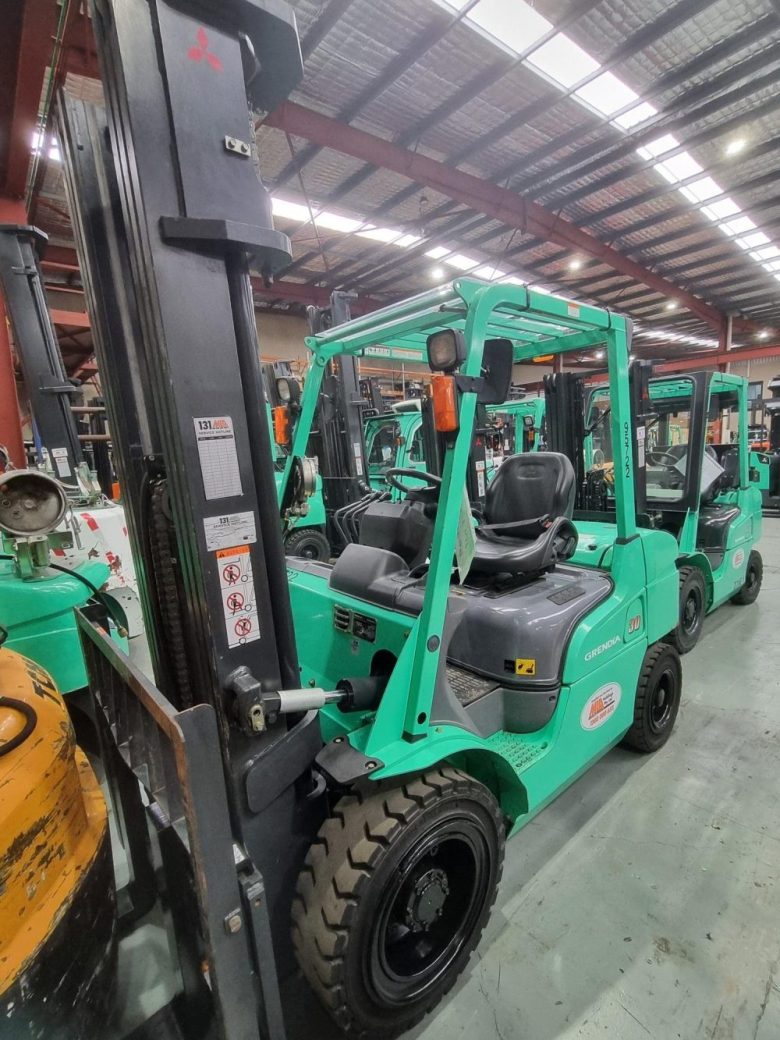
A workshop property can hold useful equipment in several places without causing a problem until something needs to leave. Machinery may sit beside one shed, pallets may be stored in another, and project materials may remain near the area where they were last used. When a buyer, carrier or contractor is ready to collect them, the loading point is still empty.
Forklift hire can consolidate those items before the vehicle arrives. A Gilston property owner, tradesperson, collector or workshop operator may arrange one-day hire for a planned collection, project rental for a broader cleanout or relocation, or temporary capacity when existing equipment cannot complete the work. The practical decision starts with what needs gathering and where the collection vehicle can receive it.
Some Gilston acreage properties include substantial workshops, machinery sheds and storage infrastructure. That makes dispersed equipment and materials a credible local handling problem without suggesting every block has the same facilities. General hire remains available for one pallet unload, machinery positioning, building materials, workshop stock or another suitable job within a private work area.
A carrier should not have to wait while people search for attachments, move vehicles or decide which machine is leaving first.
The forklift can bring the main items to an agreed loading area before collection. This may involve:
The collection point should suit the vehicle and the order in which the items will be loaded. A heavy machine placed behind lighter pallets may need to be moved again. Long items left across the approach can obstruct the carrier. Consolidating in the right sequence reduces unnecessary handling and helps the collection proceed as planned.
The same approach can support the next project rather than a vehicle collection. Equipment may need to be brought together for inspection, maintenance or preparation before it returns to work. The useful outcome is a clear group of items ready for the next action, not simply a tidier property.
Materials that have remained in a workshop or shed for some time may no longer be presented like new freight.
A machine may have no transport pallet. A crate may have weakened underneath. Timber packs can shift after straps loosen, while fabricated frames may offer fork entry on only one side. Equipment stored beside a wall may also need repositioning before the forklift can approach it correctly.
The hire should reflect the items as they exist now.
Useful information includes the confirmed weight of the main machinery, the available support underneath it and any item that is wider, longer or less stable than a standard pallet. Photographs can help explain the current arrangement, but reliable specifications should confirm weight where machinery or heavy equipment is involved.
A counterbalance forklift may suit movement around an established workshop, shed apron or hardstand. Where pallets remain inside a suitable building, a warehouse product may provide a better fit for the internal work. MLA Complete Forklift Solutions can narrow the equipment choice around the heaviest item and the movement that cannot be completed with the equipment already onsite.
A property cleanout or relocation rarely means everything leaves.
Some machinery may remain in daily use. Materials for an active job may need to stay accessible. Empty frames, spare parts and non-essential items may be the only loads going to storage or collection.
Separating those groups before the forklift begins prevents useful equipment being buried behind outgoing items. It also reduces the chance that the machine is used repeatedly to undo an earlier placement decision.
A project rental can support several connected movements where machinery and materials need to be sorted, consolidated and loaded over a defined period. A workshop that begins moving heavy stock more regularly may later need a longer arrangement based on the ongoing workload. One confirmed collection or machinery movement may require only a short hire.
Temporary additional capacity can help when the property has an existing forklift that is already committed to workshop work. The hired machine should solve the consolidation or loading requirement without creating another unnecessary equipment allocation.

A forklift that handles ordinary pallets may not be suitable for the largest machine stored on the property.
Rated capacity, fork condition and attachment suitability should be considered before the collection day. A damaged fork, hydraulic concern or recurring warning may become more serious when the forklift is expected to move an unfamiliar or higher-capacity load.
Servicing and repairs can address known equipment faults, while a parts enquiry may help identify what is required to return the machine to reliable use. MLA’s Gold Coast forklift service and repair pathway provides a route for customers dealing with maintenance or repair needs.
Temporary replacement may keep the collection or workshop task moving while the regular forklift is unavailable. The replacement should be selected based on the actual items being handled, rather than assumed suitable because it resembles the owned machine.
A Gilston workshop property may still contain residents, pets, parked vehicles and people carrying out unrelated work.
The forklift route and loading point should remain within a clear private area. Items awaiting collection should not block normal driveway access, workshop doors, or the area where the carrier needs to position its vehicle.
Loose components, stands and attachments should be secured or separated before movement. People not involved in the task should stay outside the operating area, and the destination should be ready before the forklift raises the load.
The operator also needs enough room to approach each item and withdraw the forks after placement. Machinery pushed tightly against a shed wall or grouped without usable fork access may require preparation before the main consolidation work can begin.


Call MLA Complete Forklift Solutions on 1300 166 660 with the machinery, pallets or project materials that need to be gathered and the position where collection or the next stage will occur.
The discussion can identify suitable equipment for one planned movement, a broader consolidation project, temporary replacement or continuing workshop use.
Yes. Forklift hire may support machinery positioning, consolidation and loading preparation where the equipment and private work area are suitable.
Yes. A project rental may cover connected movements between established workshop and storage areas. The main items and intended collection point should be identified before the hire begins.
The available support points and fork access need to be understood before lifting. A suitable frame, stand, attachment or different handling method may be required.
Temporary replacement may support essential movement while servicing, repairs or parts requirements are addressed. The rental should be matched to the work that still needs completing.