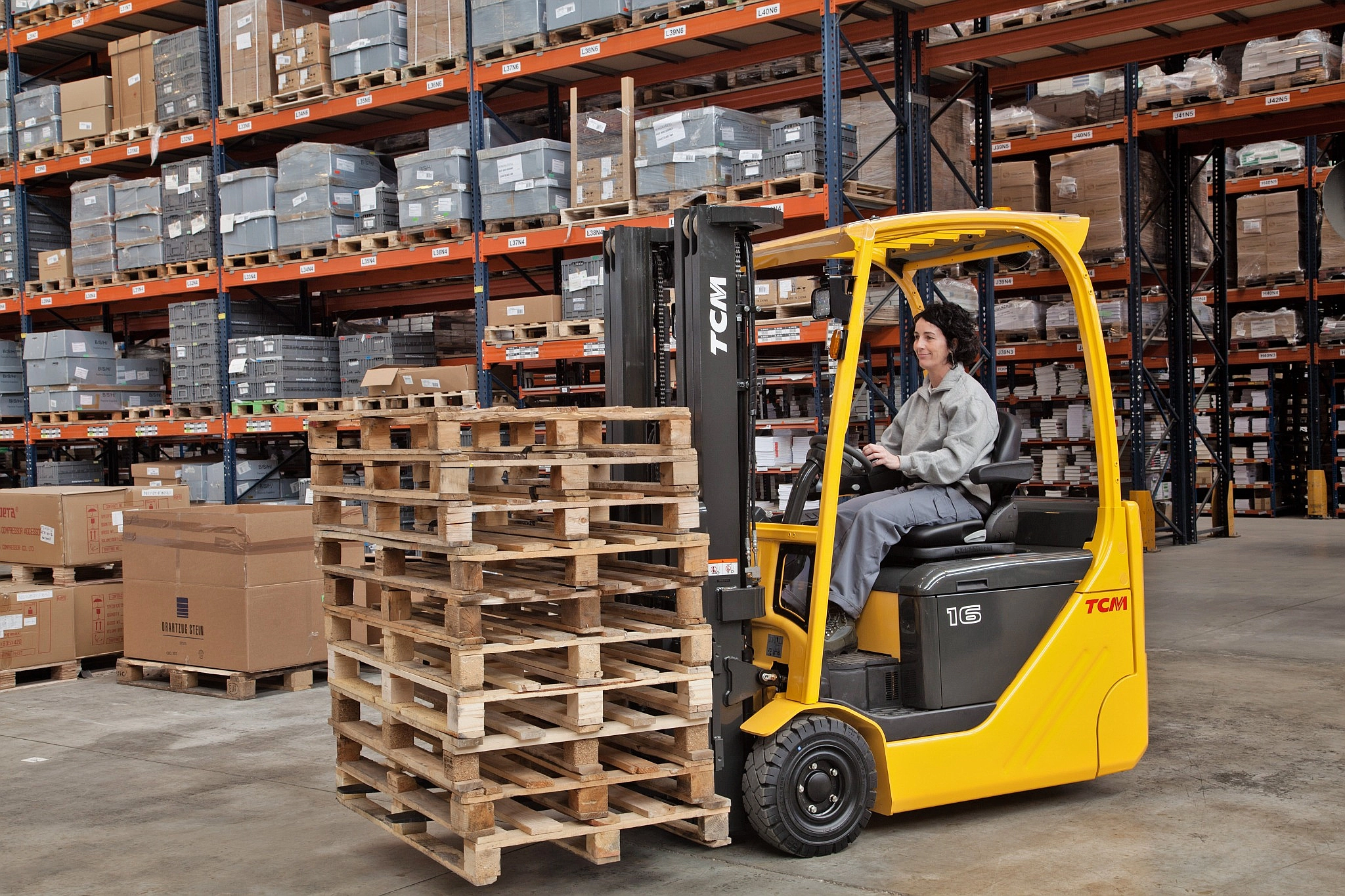
On a multi-storey commercial job, getting materials off the delivery vehicle may only complete the first part of the movement. The forklift can unload, carry and stage the goods at ground level, while another approved system within the building takes over the vertical transfer.
That handoff is increasingly relevant in Gosford. The city centre is undergoing substantial residential and mixed-use development, with Central Coast Council describing major construction as transforming the skyline. Fit-outs, refurbishments and commercial projects within that environment can bring palletised materials, equipment and machinery into buildings where the final destination sits well above the receiving point.
The same MLA hire service also covers much simpler work around Gosford. A workshop may have machinery arriving, a business could need temporary help with stock, or a contractor may require a forklift for building products that never leave ground level.
Forklift hire and rental through MLA Complete Forklift Solutions can be arranged around the portion of the movement the forklift is genuinely expected to perform.
A load does not have to reach its final room or floor while still on the forks.
For some projects, the forklift’s role finishes after unloading the delivery vehicle and carrying the materials to a designated staging area. From there, the site’s lift, material hoist, crane or other planned vertical transport takes over.
That boundary can make equipment selection much clearer.
If the forklift remains around the loading area and ground floor, choose it for those movements. There is little value in specifying the machine around the height of the tenth floor when the forks will never travel beyond the receiving level.
A contractor bringing palletised fixtures into a commercial refurbishment may therefore need a capable ground-level forklift even though the goods eventually go several storeys higher. Another project may involve equipment that stays downstairs throughout the work.
Both are legitimate hire requirements.
Where another lifting system takes over, the goods need to arrive at that transfer point in a form the next stage can accept.
A pallet may move directly from the forklift into an approved materials-handling process. Machinery might need to remain on its transport base while it waits for the next lift. Loose building products could require another preparation method before vertical movement begins.
The forklift operator only needs to complete the movement assigned to the forklift. The contractor or site team should already know which system will handle the next stage and where the handoff is intended to occur.
SafeWork NSW recognises materials hoists as dedicated plant for raising goods and materials on construction sites. That reinforces an important distinction for a Gosford job: the forklift and the building’s vertical transport equipment perform separate parts of the material journey.
The forklift should not be treated as the default answer simply because the final destination is higher in the building.
Plenty of local hire work stays entirely at one level.
A business may be receiving stock into a storeroom. Machinery could be unloaded beside a workshop and positioned nearby. Contractors can have equipment or building products delivered to an open project area, while a property customer may only need one heavy item taken from the truck to a suitable ground-level location.
Those jobs can be discussed without introducing lifts, hoists or multi-storey logistics.
MLA’s forklift rental range includes equipment for different temporary material-handling applications. The right choice depends on the load, the movement the forklift will perform, and the conditions in that part of the Gosford site.
If several compatible loads are planned, the same rental may support them. The booking only needs another conversation when the work changes enough to alter what the forklift itself has to do.


Consider a fit-out where several pallets of fixtures arrive at street or loading-area level.
The forklift may unload each pallet and carry it to a staging position near the building’s planned vertical transport. That is one clearly defined piece of work.
Later, a heavy machine arrives for a ground-floor tenancy. Its destination is only metres from the unloading point, but the item requires different handling because of its weight and transport base.
The fact that the first pallets eventually travel upstairs does not necessarily make them the more demanding forklift loads.
Looking at the forklift portion of each movement helps keep the equipment choice tied to the work it will perform rather than the overall journey of the goods through the building.
Some Gosford businesses or projects will already have a forklift available for receiving work.
If that machine suits the ground-level movements and is ready for operation, it may continue to cover those tasks. A hired forklift can still make sense where another load requires different capacity, another configuration or additional handling capacity during a concentrated stage of work.
Condition issues on the customer’s own equipment should be resolved before that truck is returned to loaded operation. MLA provides forklift service and repair, with replacement parts support available when servicing identifies a component that needs attention.
That remains an equipment issue. It should not expand the specification for a separate rental forklift whose role is already clear.


For a multi-storey Gosford project, picture the material journey only until the forklift’s role ends.
Where does the delivery vehicle stop? Where will the forklift pick up the load? What ground-level position does it need to reach before another approved lifting system takes over?
Those answers define the forklift portion of the job.
MLA can then discuss rental equipment for that movement without making the booking responsible for the entire building logistics plan. The site team can prepare the receiving and staging areas according to its own work arrangements, while the forklift handles the loads assigned to it.
A customer whose job stays entirely on the ground floor can make the process shorter again. In that case, explain the incoming load and where it needs to finish.
Yes. The forklift can support suitable unloading and ground-level material movements even where another system handles the later vertical transfer.
The important part is defining where the forklift’s work stops. Goods intended for an upper level should follow the site’s approved method for moving materials vertically after the ground-level forklift movement is complete.
Not when the forklift is only responsible for receiving, staging or other ground-level work.
Specify the machine for the lifts it will actually perform. If the materials transfer to a building lift, materials hoist, crane or another approved system for the vertical stage, that equipment carries its own separate requirements.
A Gosford project can therefore involve a multi-storey destination without turning the hired forklift into the machine responsible for every metre of the journey.