Most customers know the job before they know the machine. There may be equipment arriving for a workshop, materials to unload for a property project, stock that needs moving during a busy period, or machinery that has to be repositioned so another stage of work can begin.
Forklift hire and rental in Harvey can be organised around that outcome. MLA Complete Forklift Solutions can look at the load, the lift involved and the environment where the work will happen, then match the equipment to those conditions. A customer arranging a relatively simple pallet unload should be able to keep the enquiry simple, while heavier or differently supported loads can receive more attention where it is genuinely needed.
Harvey’s mixture of farming, trades, manufacturing and local business also means there is no single “Harvey forklift job”. The same hire service might be relevant to a rural property receiving supplies, a workshop handling equipment or a commercial customer with regular pallet movement.
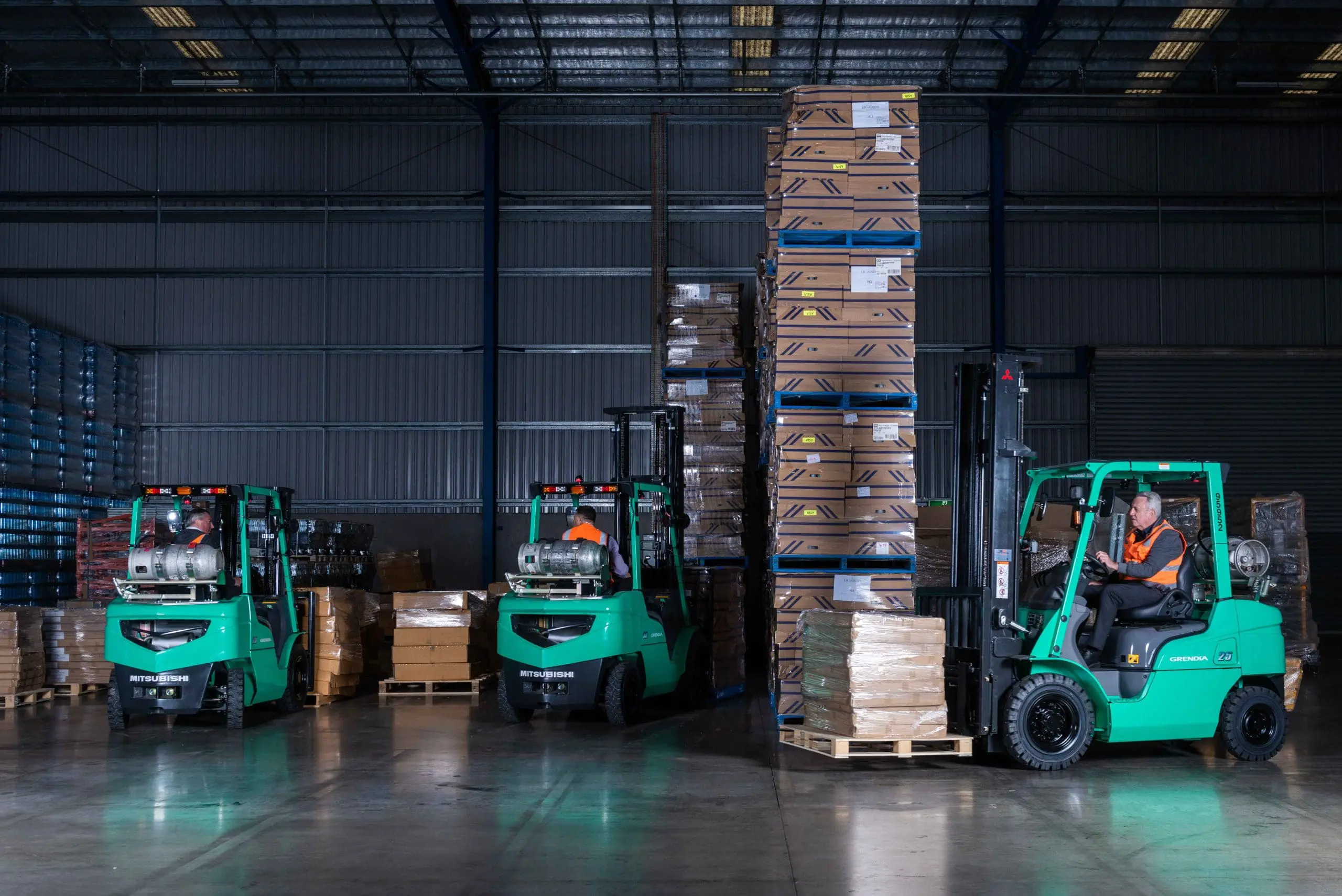
Unloading is often the clearest place to begin. If the load is coming from a delivery vehicle and only needs to travel a short distance at ground level, the equipment requirement may be settled largely by reliable weight and the conditions underfoot.
Other jobs add another layer. Machinery may need controlled positioning. Materials could be moving into a shed or workshop. A project may include several different loads over the same active period. The selected forklift should cover the work that is genuinely planned without being specified around unlikely extras.
Load weight remains central, particularly when machinery or fabricated components are involved. MLA’s guidance on forklift load ratings and load centres explains why rated capacity has to be considered alongside how a load sits on the forks.
Lift height deserves similar attention where materials are being stacked or placed above ground level. For an unload that finishes at floor level, there is little value in making high-lift capability the centre of the hire discussion.

Manufacturing and fabrication are established parts of the Harvey Region’s economy. Structural fabrication is particularly tangible around Spencer Street, where Dwyer Engineering operates its Harvey facility. That local activity gives fabricated frames and equipment a credible handling context without making them relevant to every customer in town.
Some steel frames and transport carriers are built with fixed fork pockets. Those pockets create a defined interface between the load and the forklift.
For the movement to work properly, both forks need to meet the intended openings cleanly. Lateral spacing is only one part of that fit. The frame also needs to be presented so the forks can approach the pockets at the correct level and angle.
This becomes noticeable when a carrier is sitting unevenly, or the forklift has to approach from a poor position. One fork may line up while the other meets the edge of its pocket. A machine with ample lifting capacity has not solved the handling problem if the forks cannot engage the carrier as intended.
The customer does not have to turn this into a measurement exercise. Knowing that the equipment has purpose-built fork pockets is already valuable information for the hire discussion. A clear photo of the pocket arrangement can help where the frame is unfamiliar.
Often they do not. A conventional forklift may suit the work when its forks can engage the designated pockets correctly, and the truck has suitable capacity for the complete load. The pocket arrangement becomes one part of confirming that fit before the movement begins.
This situation is different from an ordinary pallet delivery. Customers whose goods already arrive on familiar, sound pallets may never encounter it.
Harvey’s agricultural setting also creates plenty of lifting work that has nothing to do with fabricated frames. Supplies may arrive for a farm or rural property. Building products may need unloading beside a shed. Pumps, equipment or packaged materials may be too heavy for practical manual handling.
The forklift still has to suit the operating area. Work on a prepared yard or hard surface is a different proposition from taking equipment onto ground that may be unsuitable for a conventional machine. Only the areas the forklift actually needs to use should shape that decision.
This is also where honest job scope helps. If the requirement is simply unloading a pallet and moving it into a shed, describe that movement. If machinery is arriving later and will also need lifting, include it only when its weight and handling arrangement are known well enough to determine whether the same machine fits both jobs.
Customers can arrange South West hire through MLA’s Bunbury forklift hire operation, with Harvey included in MLA’s current regional coverage.
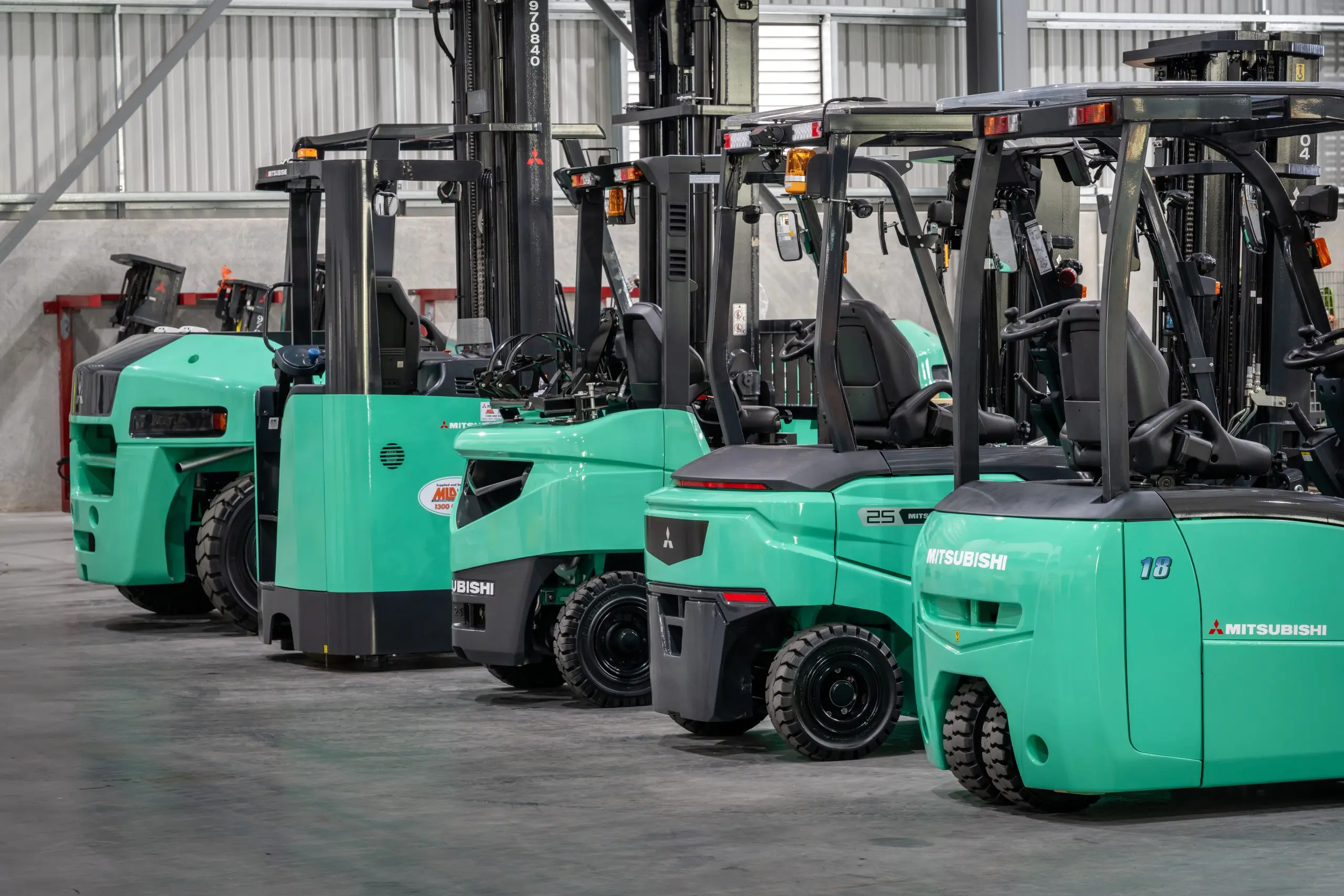
Some forklift requirements exist around one delivery. Others continue while a building, workshop or commercial project moves through a stage where materials regularly need mechanical handling.
Rental can cover that period without changing the way the forklift is selected. A longer booking still needs a machine suited to the loads being moved. If the work expands from pallet handling into machinery or fabricated frames, the new task deserves attention before it is simply added to the original brief.
The reverse is also true. A customer should not end up with more forklift than necessary because one unusual movement might happen during the job. Where appropriate, the main workload can determine the hire and the unusual item can be considered separately.
This keeps the commercial arrangement connected to real work instead of building a forklift specification around every possibility.
Good preparation should make the first loaded movement predictable. The operator needs familiarity with the hired machine, applicable pre-use checks completed and enough room to approach the load in the way its carrier requires.
For an ordinary pallet, that may be very straightforward. For a fabricated frame with fixed fork pockets, the approach needs to let both forks line up with their intended openings before the load is taken. For machinery on another form of carrier, the manufacturer or supplier’s handling information may identify how the item is designed to be supported.
People and vehicles working nearby also need to stay clear of the active forklift movement. On a farm, workshop or project site, that can be handled around the actual lifting area without turning the whole property into a forklift zone.
Harvey customers can therefore approach hire from the job they already understand: what has to move, how it is presented for lifting and what the forklift needs to accomplish once it arrives.