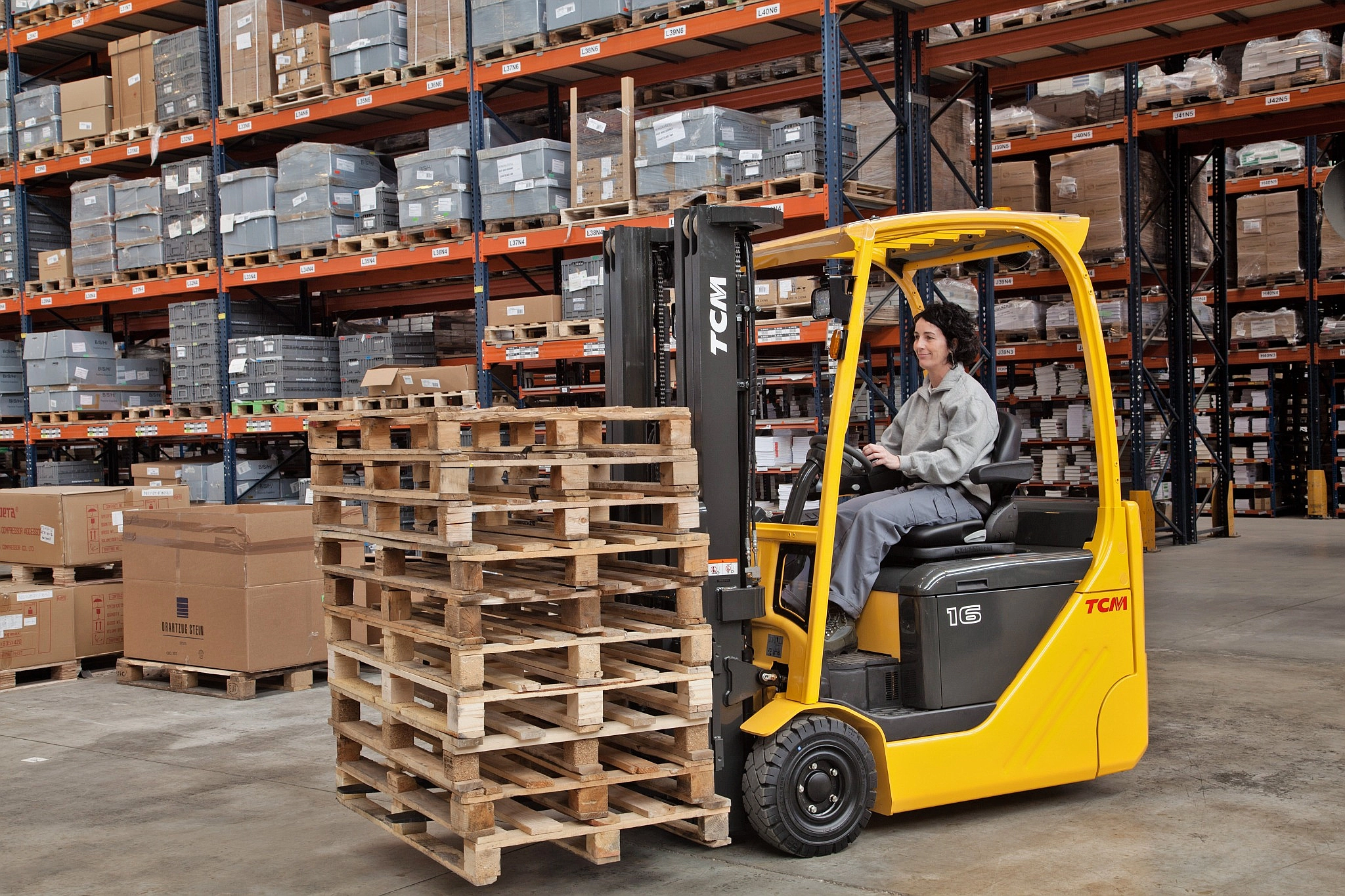
Fabrication work around Hexham can produce tall units whose mass exceeds what their footprint suggests. Machinery frames, electrical equipment, fabricated skids, and other assembled items may present different lifting problems than stock that arrives in a compact, evenly distributed form.
That does not make every Hexham hire complicated. A customer may need a forklift to unload building products, shift workshop stock, receive machinery, support a fitout or cover a defined handling task. The equipment still needs to suit the loads and the work site.
Hexham’s industrial activity gives that distinction real local relevance. Downer’s manufacturing operation in the area combines structural steelwork, skid fabrication, machining, and electrical manufacturing, including large switchroom projects. It is a strong example of the type of fabricated work that can produce loads where overall weight tells only part of the handling story.
For customers arranging forklift hire and rental in Newcastle and surrounding areas, MLA Complete Forklift Solutions can work from the movements involved, load characteristics, and site conditions to discuss an appropriate forklift for the requirement.
Consider a tall electrical cabinet or fabricated assembly weighing the same as a shorter item.
The forklift still has to support the same stated mass, but the way that mass is distributed can affect the stability of the combined forklift and load. If significant weight sits higher in the item, the load’s centre of gravity may also sit higher. An item whose mass is concentrated toward one side introduces another consideration.
This is why forklift selection should go beyond matching a load weight with a capacity number.
The load centre, dimensions, orientation on the forks and required lift all contribute to the decision. Where the item is supplied on a purpose-built skid or transport base, that interface also affects how the forks engage and support it.
For a customer hiring a forklift to receive fabricated equipment in Hexham, these details become particularly important before the first loaded movement. The aim is to select equipment with rated performance that suits the entire lift, rather than relying on the item’s appearance from ground level.
A local manufacturer handling a tall fabricated assembly represents one type of enquiry. A contractor unloading materials beside a workshop represents another. A business receiving palletised stock, relocating equipment within its premises or bringing in extra handling capacity for a concentrated period may have a much simpler requirement.
Each customer still benefits from the same basic discipline: identify the movements the hired forklift needs to perform.
A low-level unload may place most emphasis on load mass and handling space. Moving an item into storage introduces lift height. Work inside a workshop may bring manoeuvring room, power source or overhead clearance into the equipment choice. Outdoor work may introduce a different operating surface.
MLA’s role is to connect those conditions with an appropriate hiring option rather than treating every Hexham enquiry as though it were part of the area’s heavier manufacturing activity.
That keeps the page relevant to the customer who only needs a forklift for a delivery as well as the operation handling larger fabricated equipment.


The centre of gravity becomes especially important when the load shape provides little indication of where its mass is concentrated.
A tall fabricated enclosure may contain heavier components in its upper section. Another assembly may be visually symmetrical while internal equipment makes one side considerably heavier. The forklift operator sees the external shape, but stability depends on the relationship between the machine and the distribution of mass being carried.
Reliable supplier or manufacturer information is valuable when available. Weight markings, lifting information, drawings or known component positions may help define the handling requirement before the equipment is booked.
The forklift itself must then be considered in the configuration that will perform the work. Lift height, load centre, and any attachments fitted to the machine can influence the capacity available for movement.
This is a better basis for choosing hire equipment than assuming a familiar tonne class will suit because it handled a similarly sized item elsewhere.
A Hexham hire booking should move quickly from the customer’s description of the work to a discussion of equipment.
For a machinery unload, MLA may need to understand the load mass, dimensions and where the weight is concentrated if that information is known. For palletised building supplies, a simpler description may be enough. If the forklift needs to travel through a workshop or place the load at height, those parts of the movement also enter the conversation.
The equipment and rental arrangement can then be discussed based on the requirements.
Before work begins, the site needs to be ready for the hired machine, and the operator needs to meet the requirements for that forklift and workplace. Where the load itself needs special support or an attachment, compatibility should be resolved as part of the equipment selection rather than improvised during the lift.
Once the required handling is finished, the hire follows the collection or return arrangements agreed for the booking.
The process stays proportionate to the task. A straightforward unload should remain easy to arrange, while a tall or unevenly weighted fabrication warrants additional information to assess equipment suitability.


Some Hexham businesses will be hiring because they need another machine. Others may already own forklift equipment and need help with servicing, repairs or parts.
Those are separate decisions from selecting a rental forklift.
If an owned machine develops a fault, shows visible damage, or experiences a change in performance, MLA’s service team can assess the equipment and determine the appropriate next step. Parts requirements should follow the machine identification and the condition found during assessment rather than being assumed from a symptom.
Safety follows the same principle of specificity. For tall fabricated loads, the important issue is the relationship between the load, the forklift’s rated configuration and the movement being performed. Other sites may have completely different safety considerations based on their layout, people, operating areas or equipment.
There is little value in attaching a standard safety checklist to every hire. The relevant controls should follow the forklift and work being undertaken.
A Hexham customer may be receiving a fabricated electrical unit, unloading materials for a contractor, moving machinery within a workshop or bringing in a forklift for another short-term handling requirement.
Where the load is tall, or its mass is unevenly distributed, include that information in the hire discussion. It can influence the equipment choice even when the total load weight is already known.
For more familiar handling work, the enquiry can stay centred on the load, the lift and the operating area.
Contact MLA Complete Forklift Solutions to discuss forklift hire or rental for upcoming work in Hexham.