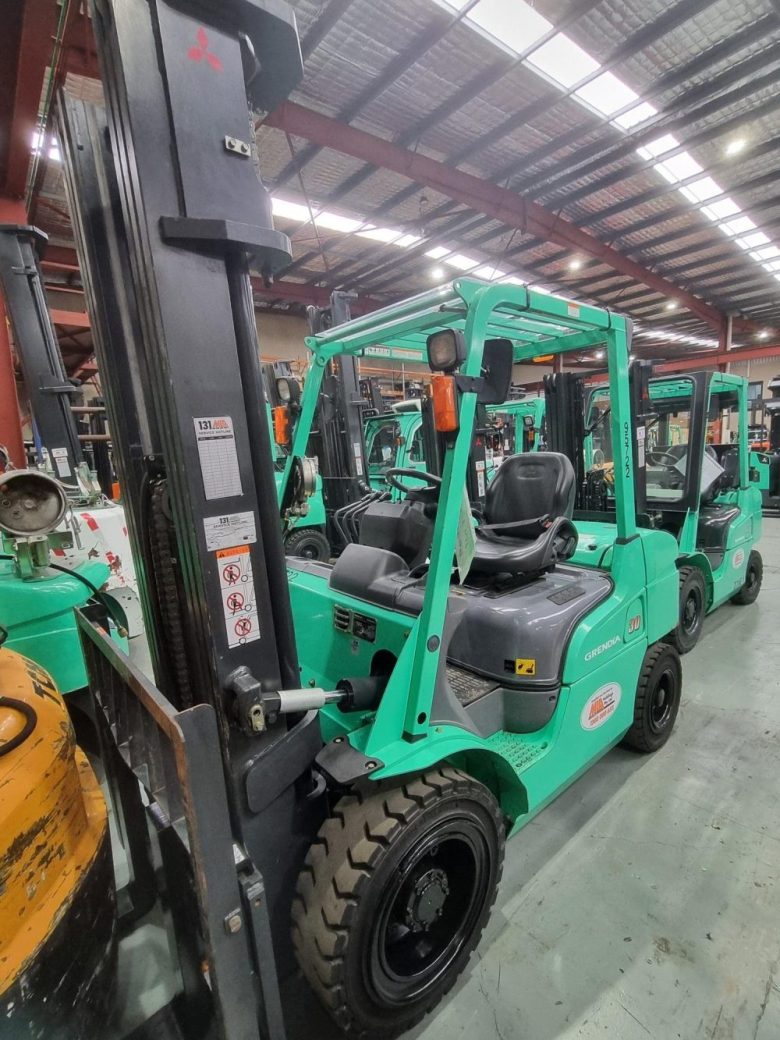
A forklift enquiry in Horsham can begin with one practical job. A truck needs unloading, machinery must be positioned, stock has to move, or a workshop project cannot continue without suitable equipment. The customer may never have hired a forklift before, and there is no need to belong to a major agricultural or freight operation before asking what may suit the work.
MLA Complete Forklift Solutions can help compare one-day hire, short-term rental, temporary replacement and longer arrangements from the load, workplace and required period. The immediate question is simple: what needs moving, where will the machine operate and how long will it be useful?
Horsham is a regional centre supported by agriculture, industrial activity and freight connections, including development around the Wimmera Agriculture and Logistics Hub at Dooen. That context creates busy campaign periods for some businesses, but it does not define every local customer. Ordinary hire for a supplier, workshop, contractor, warehouse or single planned delivery remains just as relevant.
One day may be enough for a planned delivery. Several weeks may suit a harvest-related supply period, a temporary storage project, or a concentrated production requirement. A longer rental may be more practical when the increased workload continues, or forklift use has become part of normal operations.
Start with the period that is already known. Explain what could extend it, such as delayed stock movement, a longer customer contract or uncertainty around an owned forklift.
MLA’s forklift rental options include short and longer arrangements across counterbalance and warehouse equipment categories. A rental can finish with the campaign, continue where the work remains active or be reconsidered once the business has real usage information.
The purpose is flexibility, not turning every temporary increase into a permanent fleet decision.
The same location can require very different forklifts. Separating them early prevents a one-day customer from being pushed towards a long rental and stops a seasonal operator from treating a recurring peak as a string of emergency bookings.
A single unload, machine placement or stock move may only need equipment for a defined day. The main selection points are the load, lift height, surface, clearances and final placement.
This customer does not need a seasonal plan or a permanent fleet discussion. The booking should stay proportionate to the job.
A grain, agricultural supply, manufacturing or freight-related business may operate comfortably through most of the year, then reach a period when more materials, pallets or finished goods need moving.
The normal forklift may still be suitable and reliable. It simply cannot cover receiving, storage and dispatch quickly enough while the higher volume continues. Waiting loads begin to occupy useful space, normal work loses access to the machine, and one fault would have a larger effect than usual.
A separate rental can take responsibility for one part of the campaign. It may remain with incoming goods, support dispatch or cover a temporary storage requirement. The assigned task should determine the equipment, rather than assuming that another copy of the existing forklift is required.
Some businesses already own a forklift that is used only between major work periods. A machine that has been parked for months should not be assumed ready simply because it worked at the end of the previous campaign.
Battery condition, tyres, forks, hydraulics, brakes, warnings and overdue maintenance may affect whether the unit should return to service. The better decision may be to arrange service before the workload rises, identify a known parts requirement or use rental while the existing machine is assessed.
This is not only a maintenance issue. It is a choice between relying on equipment of uncertain condition and assigning a suitable rental to the work that has a firm start date.


Regional context does not determine the forklift. The task does.
Useful details include the heaviest load, its dimensions and support, the required lift height, the operating surface, and whether the work will be indoors, outdoors, or mixed. Travel distance, turning space, attachments and expected operating time can also change the suitable option.
A customer moving ordinary pallets inside a warehouse may need a different machine from a business unloading bulky materials outdoors. The equipment must be rated for the load and configured for any approved attachment.
The operator must also be appropriately authorised, and people should remain separated from forklift movement. These points apply to a one-day booking and a longer campaign, but they should stay connected to the actual workplace rather than becoming a generic instruction manual.
The best time to raise a warning or known fault is before the busy work begins.
MLA’s forklift service and repair support can be discussed using the equipment identity, symptoms and any warning information available. The customer does not need to diagnose the problem.
Parts enquiries are easier to progress with the make, model, serial details and a clear description or photograph of the component. Availability and compatibility must be checked rather than assumed.
Where work cannot wait, rental may cover a defined task while service, repair or parts requirements are considered. The temporary machine should protect the important movement without automatically duplicating every function of the owned forklift.


Whether the requirement is one delivery or a concentrated regional campaign, begin with the load, workplace and period required. Include any concern about an existing forklift so hire, service and parts can be considered together.
Use MLA’s contact page or call 1300 166 660 to discuss forklift hire and rent in Horsham for a one-off job, temporary capacity, equipment replacement or longer rental.
Yes. Hire may cover one truck unload, machinery placement, stock move, fitout task or another defined requirement. A connection to agriculture or freight is not required.
If the machine has been stored, used infrequently or has a known warning, raising its condition early can help determine whether service, parts or rental should be considered before the workload increases.
No. It depends on how much work is waiting, how long the peak lasts and whether the normal machine can still cover its essential role. Temporary rental should solve a clear capacity problem.
Provide the confirmed dates and explain what could extend the requirement. The rental discussion can then account for the known job without assuming the higher demand will continue indefinitely.