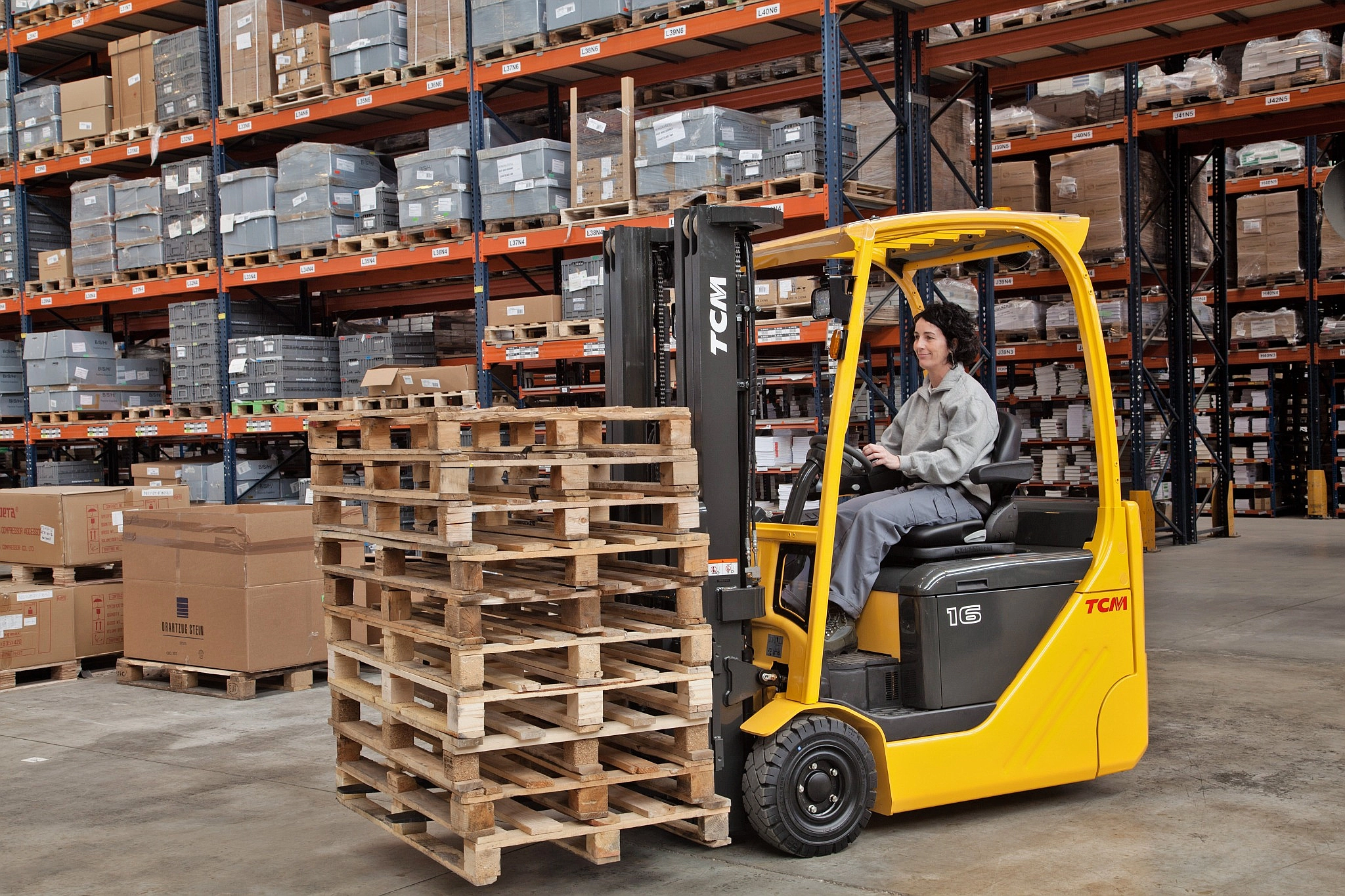
Lake Haven customers may need a forklift at several points in the life of a product. New stock may be arriving, a large item could need repositioning during a commercial change, or something sold earlier may be coming back without the packaging or carrier that originally made it easy to handle.
That last situation can change a seemingly familiar lift. A boxed appliance or bulky product might originally have arrived secured to a pallet, skid or purpose-built base. Once that carrier has been discarded, returning or relocating the same item becomes a different handling task. Forklift hire and rental in Lake Haven through MLA Complete Forklift Solutions can cover the work, but the item first needs a suitable way for the forks to support it.
Lake Haven combines a major shopping centre with an adjoining business park and established large-format retail activity. The area’s planning history also identifies Lake Haven as one of the Central Coast’s specialist bulky-goods locations.
That makes large products, boxed goods and customer collections or returns a credible local context without assuming how any particular retailer handles its stock.
A large-format business might receive goods already prepared for mechanical movement. Another customer could be rearranging stock during a tenancy change. Trades and commercial operators may have equipment or materials arriving in the same area, while a customer elsewhere in Lake Haven could simply need help with one heavy delivery.
The forklift requirement should follow the physical item presented on the day.
MLA’s forklift rental and hire options include equipment for different temporary material-handling requirements, giving customers access to a forklift without having to make a permanent fleet decision around an occasional job.
Consider a bulky product that originally arrived on a strong pallet.
The carrier provided clearance for the forks, supported the product from underneath and allowed the complete unit to travel together. Once the pallet has been removed, the product itself may be sitting directly on the floor with no verified fork-entry arrangement.
Its weight may be unchanged. Its handling condition is not.
The answer is not to slide forks underneath whichever part of the product happens to be accessible. Before forklift movement, the item needs a suitable handling interface capable of supporting it in the form in which it will now be moved.
Depending on the product and its approved handling requirements, that may mean placing it onto an appropriate pallet, skid, stillage or another purpose-suited carrier. Manufacturer information should be followed where the product has designated handling or support points.
This is re-unitising the item for the next movement, rather than pretending the missing original carrier makes no difference.
Putting something underneath a bulky item is only useful when that support is suitable for the load.
The carrier needs to remain stable under the complete item and provide a workable fork interface. The product should also be secured or contained where necessary so it can travel as one controlled handling unit.
A makeshift base that flexes, breaks or supports only vulnerable parts of the product can create another problem instead of solving the first one.
The customer does not need to engineer a carrier from scratch. If the item has supplier instructions, packaging specifications or an approved transport base, use those as the reference. For an unfamiliar product, resolving its intended support arrangement before the forklift arrives can prevent an avoidable delay on the day.
Once the item has been made forklift-ready, the equipment decision becomes much clearer.


The same Lake Haven business may also have goods arriving exactly as intended.
A supplier could deliver packaged stock on intact pallets. Equipment may come on a transport frame designed for mechanical handling. A commercial project might receive materials already bundled onto a suitable base.
Those movements do not inherit the return-product problem.
The customer can concentrate on the load being delivered, where it needs to be placed and any part of the movement that changes the forklift requirement. If the goods remain in their supplier-prepared handling form, there may be no reason to alter that arrangement before unloading.
This is also where rental can help during stock changes, relocations or periods when several compatible movements need to be completed. The machine can remain available for the handling work it suits without every individual load becoming a separate booking.
Re-unitising the load solves the support problem. It does not establish that every forklift can now carry it.
The gross mass of the product and carrier still needs to fit the forklift’s rated capability. The way the rebuilt unit sits on the forks can also affect the capacity available.
MLA’s load rating and load centre guidance explains how a load positioned farther from the fork face can reduce available lifting capacity.
That becomes particularly relevant if the replacement carrier changes the way a bulky item sits compared with its original packaging.
For the operator, the finished unit should be stable before it is lifted. The hired forklift should also receive its applicable pre-use checks before loaded operation begins.


Imagine a bulky item is due to be collected after its original pallet has already been discarded.
Before arranging the forklift, the customer confirms how the product can be supported for transport and prepares a suitable carrier. They can then tell MLA what the finished handling unit will weigh, how it will be presented and what movement is required at the site.
MLA can use that information to identify suitable rental equipment for the lifting work.
When collection day arrives, the forklift is dealing with a prepared handling unit rather than an unsupported product sitting on the floor. It can be lifted and positioned within the capability of the supplied machine, ready for the next transport stage.
Once that particular movement and any other compatible handling work are finished, the rental requirement has done its job.
If the original carrier remains sound, suitable for the product and intended for reuse, keeping the item on that established handling base may avoid the need to create another arrangement.
Check its condition before relying on it again. A carrier damaged during unpacking, storage or earlier movement should not be treated as suitable simply because it is the original one.
Yes. Lake Haven forklift hire can cover incoming palletised stock, commercial equipment, project materials and other suitable loads as well as returned bulky goods.
The missing-carrier issue only matters when the load has lost the handling interface it previously relied on. Goods arriving securely on a suitable pallet or transport base can remain a much more direct hire requirement.