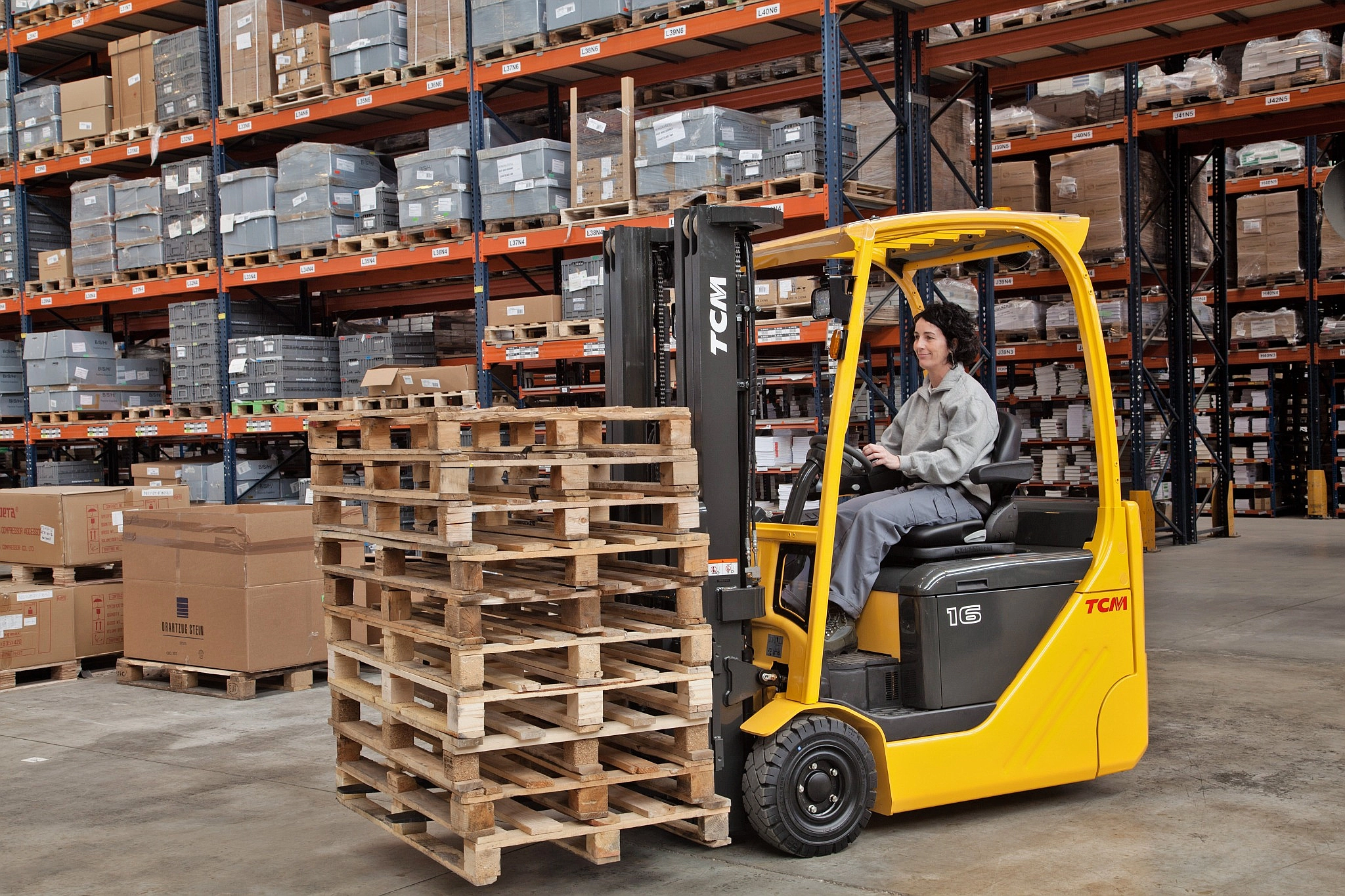
You may be receiving palletised stock at a light-industrial unit, unloading equipment for a project or making space in a workshop before a new machine arrives. Each can create a genuine forklift requirement in Launceston, even when mechanical handling is only needed for one part of the work.
That breadth makes sense locally. Launceston includes established light-industrial areas such as Connector Business Park at Kings Meadows, while the city’s northern suburbs support transport, machinery, manufacturing and other commercial operations. Those businesses sit alongside builders, tradespeople and property customers with much less frequent lifting needs.
MLA Complete Forklift Solutions can provide forklift hire and rental based on the load that needs moving and how the forklift will be used. A conventional pallet may need little explanation. Machinery, a heavier component or work involving an existing forklift can bring another decision into the conversation.
Not every customer needs their own forklift.
A contractor may have several pallets arriving while fit-out work is underway. A workshop could need equipment repositioned before another machine is installed. Businesses sometimes need extra handling capacity when incoming stock exceeds what their usual setup can comfortably cover.
Property jobs belong here as well. Building products, landscaping materials, packaged equipment and other forklift-ready deliveries can create a short but legitimate need for mechanical handling.
The useful question is what the forklift will actually do once it reaches the site.
If the work is limited to unloading a pallet and placing it nearby, the equipment choice can remain focused on that movement. A workshop job may introduce tighter operating space. Machinery can make its reliable mass and support arrangement more important.
Customers can review MLA’s forklift rental and hire range when comparing temporary equipment options. The final choice should still come from the Launceston task rather than from selecting a model first and trying to make the work fit around it.
Customers with an existing forklift face a different question when its load capacity data plate has faded, worn or become difficult to read.
The truck may have performed familiar work for years. Operators may know the model and have a good sense of the loads it usually carries. That familiarity cannot replace readable rated-capacity information when an unfamiliar lift needs to be assessed.
MLA’s own pre-start guidance includes checking that the load capacity data plate is fitted, legible and correct. The plate provides the rated information the operator needs to relate the forklift to its load.
If dirt is simply covering part of the plate, restoring visibility may resolve the issue. A plate whose markings have worn away or become genuinely illegible presents a different situation.
The operator should be able to read the applicable capacity information rather than reconstructing it from memory.
A model designation identifies the forklift family. The data plate carries rating information for the actual machine and its applicable setup.
That distinction becomes important when the next load is heavier or less familiar than routine work. A customer might remember the forklift as belonging to a certain capacity class while being unable to confirm the rated information visible to the operator.
MLA provides a forklift capacity request service for customers needing the correct capacity information for a specific industrial lift truck.
Launceston’s issue here is deliberately narrow. It is the legibility of the rating information, rather than a broader question about whether attachments or other configuration changes have altered the truck.


An unreadable plate on an owned forklift does not make the delivery disappear.
Suppose a workshop has machinery due to arrive but the forklift normally used on site cannot provide readable rated-capacity information. The machine should not be assigned the unfamiliar lift on the basis of remembered capability.
Hiring another forklift provides a separate option for the incoming work.
The rental machine can be considered directly against the load that needs to move. If the machinery is on a suitable transport base, information about its mass and intended fork entry can help define that requirement. Palletised stock may be considerably easier to assess.
The owned forklift’s capacity information can then be resolved separately instead of allowing uncertainty around one machine to hold up every other handling decision.
Where an equipment-condition or servicing issue is also present, MLA provides forklift service and repair. That support should be used because the machine needs it, rather than added automatically to an otherwise straightforward hire.
The capacity-plate issue applies to forklifts customers already own. It should not turn every Launceston rental into an equipment-compliance discussion.
If a business has a sound pallet ready for unloading, the customer can concentrate on that pallet and the movement required. If a tradesperson needs a machine positioned during installation, the machinery becomes the relevant load. A property delivery may be simpler again.
Preparation should follow the same principle.
The load needs to be stable and suitable for the intended fork handling. The operator needs to be familiar with the supplied forklift and complete the applicable pre-use checks. Any part of the site that directly affects the movement should be considered before work starts.
Everything else can remain outside the booking unless it genuinely changes the forklift requirement.


The easiest way to arrange the hire is to separate what is already known from what MLA needs to help determine.
You may already know what is arriving, where it needs to go and whether it is palletised or carried on another suitable base. Share those practical details first. If one item is substantially different from the rest, identify it separately.
MLA can then use the relevant information to discuss an appropriate forklift and rental arrangement. That might be a machine for one defined delivery or equipment that remains useful while several related handling tasks are completed.
Once the forklift is on site, the operator completes the required checks, becomes familiar with the supplied controls and carries out the work the machine was selected to perform. A materially different load introduced later should be raised before it is added to the job.
When the planned lifting is finished, the rental moves to the agreed collection or completion step.
Yes. The hire requirement and the condition of the owned forklift can be treated separately.
MLA can consider rental equipment for the load that currently needs moving, while the correct capacity information for the existing forklift is resolved before that truck is relied on for work requiring confirmation of its rating.
A single forklift-ready delivery can be enough to create a practical hire requirement. The job may involve unloading building materials, packaged equipment, commercial stock or another stable load and moving it through a suitable work area.
There is no benefit in making that customer solve the same questions as a business with an unreadable data plate on its own forklift. The one-pallet job can remain exactly what it is: a defined movement requiring suitable lifting equipment.