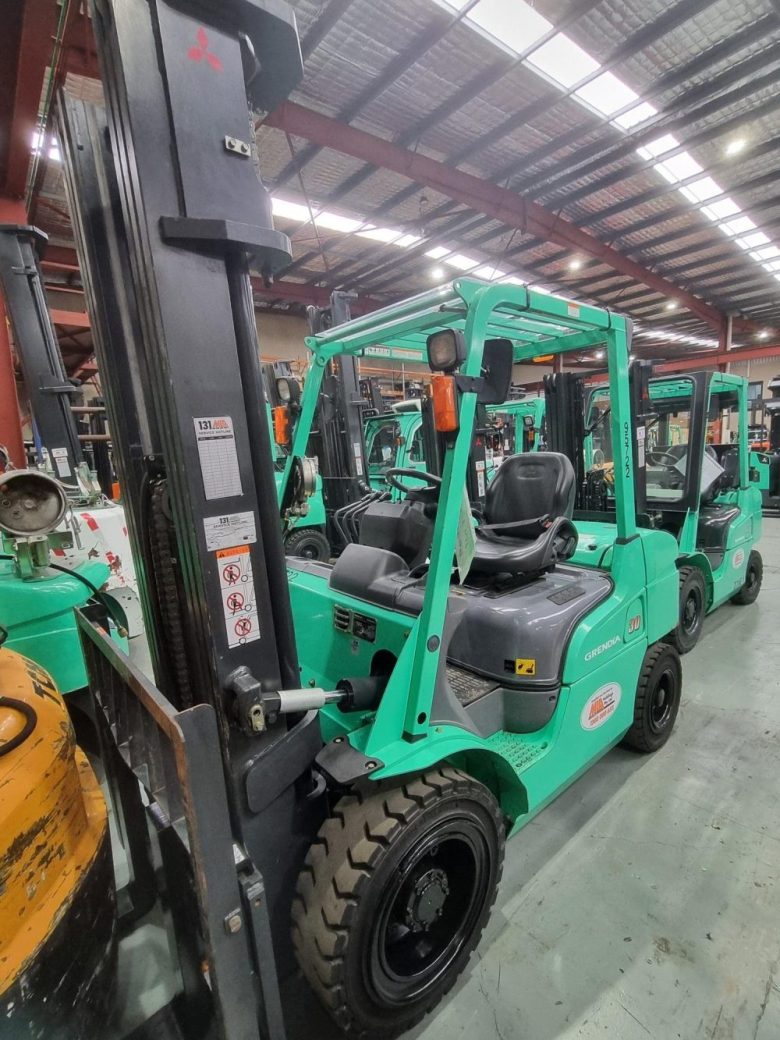
Furniture, appliances and refurbishment materials may arrive at a Main Beach property wrapped together for efficient transport. That works for the supplier, but not necessarily for the building. The full pallet may fit through the receiving entrance and still be too wide, tall or heavy for the service lift, internal corridor or floor-by-floor installation plan.
A hired forklift can complete the ground-level work by unloading the delivery and placing each group in a location where the internal team can take over. The same service is available for a local contractor receiving machinery, a resident unloading substantial project materials, a retailer moving stock or any other suitable job that needs temporary lifting capacity in Main Beach.
A refurbishment delivery may combine several rooms, floors, or installation stages on a single truck.
The pallet could contain:
Unloading everything into one pile may clear the vehicle quickly, but it transfers the problem to the building. Installers then search through mixed packages, items for later stages occupy the receiving area and the service lift remains blocked by loads that cannot enter in their delivered form.
The forklift work should create a useful ground-level arrangement. Goods can be placed by floor, contractor, installation sequence or internal handling method before they move deeper into the property.
This does not mean the forklift must enter the accommodation or customer-facing area. In many jobs, its role ends within a suitable private receiving, loading or contractor zone.
A service lift, doorway or covered access route may place a practical limit on the next stage.
The issue may be:
Those restrictions do not automatically determine the forklift model, but they change how the delivery should be separated and staged.
An appliance pallet intended for three floors may need to be divided into three clearly identified groups. Furniture could remain wrapped while being divided by room. Heavy plant may require a suitable trolley, smaller powered equipment or a specialist installation method after the forklift places it at the agreed transfer area.
The forklift handles the substantial external or ground-level movement. The building team handles the smaller internal journey using equipment and procedures appropriate to that environment.
The most useful detail may not be the truck’s size or the total number of cartons. It may be the first point the full delivery cannot pass.
Tell MLA Complete Forklift Solutions whether the restriction is a service lift, doorway, covered loading area or internal turning point. Add the heaviest confirmed item and the place where the forklift can operate.
A hire option can then be considered around the actual unloading and staging work. Enquiries can be made through the Gold Coast forklift hire page or by calling 1300 166 660.
Ground-level staging should support the people working inside the building.
Packages required first should not sit behind materials assigned to later floors. Fixtures waiting for another contractor should remain outside the immediate lift-loading area. Empty pallets, wrapping, and transport frames should be cleared before they narrow the route available to the next group.
Labelling matters when several similar items are involved. Two boxed appliances may look identical yet belong to different rooms or have different specifications. A clear floor, unit or contractor reference reduces the chance that the forklift places the correct item into the wrong group.
Occupied properties need a defined boundary between the delivery work and everyday building activity. Residents, guests, customers and unrelated contractors should not pass through the forklift area. The delivery vehicle, forklift and internal handling team should each have enough room to complete their part without competing for the same position.
Tall packages may also affect operator visibility. Loose wrapping, doors or removable components should be secured before movement, and the staging destination should be ready before the load is raised.

One Main Beach customer may only need a forklift to unload a commercial refrigerator, a packaged spa component, or a grouped furniture delivery. Once the load is separated and placed for the installer, the hire has completed its purpose.
A floor-by-floor refurbishment can create recurring ground-level movements as furniture, fixtures and equipment arrive in stages. Keeping suitable rental equipment available across those planned deliveries may prevent each truck from becoming a new urgent booking.
A property with regular loading, stores or maintenance work may have a continuing need beyond the refurbishment. That decision can be made based on the handling that remains after the project, rather than on the exceptional volume generated while several rooms or floors are being upgraded.
General jobs do not need to follow the high-rise scenario. A contractor can hire equipment for one machine, a body corporate can arrange a planned property movement, and a private customer can enquire about a suitable pallet unload within an appropriate work area.
A hotel, apartment property or contractor may already use lifting equipment for routine work. A concentrated delivery programme can tie that machine to one area while normal receiving or maintenance continues elsewhere.
Temporary rental may provide the extra capacity needed for the refurbishment period. If the regular forklift is unavailable due to servicing or a fault, the replacement should be matched to the remaining work rather than selected solely because it resembles the owned machine.
Known maintenance issues are best addressed before an important delivery depends on the equipment. MLA’s Gold Coast service and repair team can assist with servicing and repair enquiries, while confirmed component needs can be directed through forklift parts support.


A Main Beach delivery does not need to travel through the whole property on the same equipment that removed it from the truck.
Arrange the forklift around the ground-level lift, the internal limit and the place where the building team takes control. Use MLA’s Contact Us page to describe the delivery and request a suitable hire or rental option.
Yes, where the external or ground-level area is suitable. The forklift can unload and place the goods for separation before smaller groups continue through the building.
The property or project coordinator should identify the floor, room or installation stage for each item. The forklift operator can then place the prepared groups without making allocation decisions during the lift.
Potentially. Outgoing and incoming items should have separate staging positions so reusable furniture, disposal loads and new equipment do not become mixed.
Yes. A customer can enquire about one substantial item whose weight, support, vehicle, and private operating area make forklift handling suitable.
Rental may protect the planned deliveries while the regular machine is serviced or repaired. The temporary forklift should be suitable for the current receiving and staging work.