

A forklift can handle the weight, reach the required position and fit comfortably into the work area, yet still deserves a closer look because of what surrounds the machine while it works. Around marine products or ocean-side operations, repeated exposure can make corrosion protection a genuine equipment consideration rather than something noticed much later.
That distinction is useful in Mandurah. A person arranging one pallet unload at a conventional commercial premises may only need a suitable forklift for the movement. A marine-related workshop, contractor or operation using equipment repeatedly close to the coast may have another factor to raise before the rental is settled. MLA Complete Forklift Solutions can keep both enquiries centred on the actual job while considering additional equipment protection where the environment justifies it.
Mandurah Ocean Marina includes commercial berths, boat lifting, boat stacking, hardstand areas and businesses involved in marine servicing and repairs.
Forklift work around that broader environment can involve ordinary materials handling rather than lifting boats themselves. Packaged parts, workshop supplies, machinery, engines, pallets and other suitable loads may still need to move through marine-related work areas.
The customer goal remains getting those materials where they need to go.
What changes is the condition the forklift may repeatedly encounter while doing it.
A machine used for one contained movement in a sheltered area is not the same proposition as equipment that spends regular working time around marine products or ocean-side conditions. The second job gives the forklift itself more environmental exposure, even when the pallets look completely ordinary.
That is where equipment specification can start protecting more than the load.
Some Mitsubishi electric forklift configurations available through MLA include an additional rust-proofing option intended for marine-product and ocean-side operations.
The option uses rust-resistant parts in areas such as the backrest, floor and underside of the frame, where corrosion can otherwise become a concern.
This does not turn rust-proofing into the first question for every Mandurah rental. The forklift still needs to be selected around the work it is there to perform.
Capacity, the load and the operating area come first. Where repeated marine or coastal exposure is part of that operating role, protection against corrosion can then become part of the configuration rather than an afterthought.
That distinction can be particularly useful for a longer rental. A machine repeatedly returning to the same exposed environment has a different operating life from one brought in briefly for a conventional unload.
A Mandurah address alone does not tell MLA enough about corrosion exposure.
Two forklifts operating in the same suburb can have very different working conditions.
One may stay inside a relatively protected warehouse. Another may work around marine products, hardstand or an ocean-side service area where the machine is exposed much more directly.
A useful hire discussion therefore centres on what happens to the forklift during the work:
Those distinctions are easier to use than simply describing the premises as “near the coast.”
For ordinary forklift hire, they may confirm that no special corrosion-related specification needs to drive the decision. Where exposure is persistent, they give MLA a reason to consider whether an appropriate protected configuration belongs in the job.

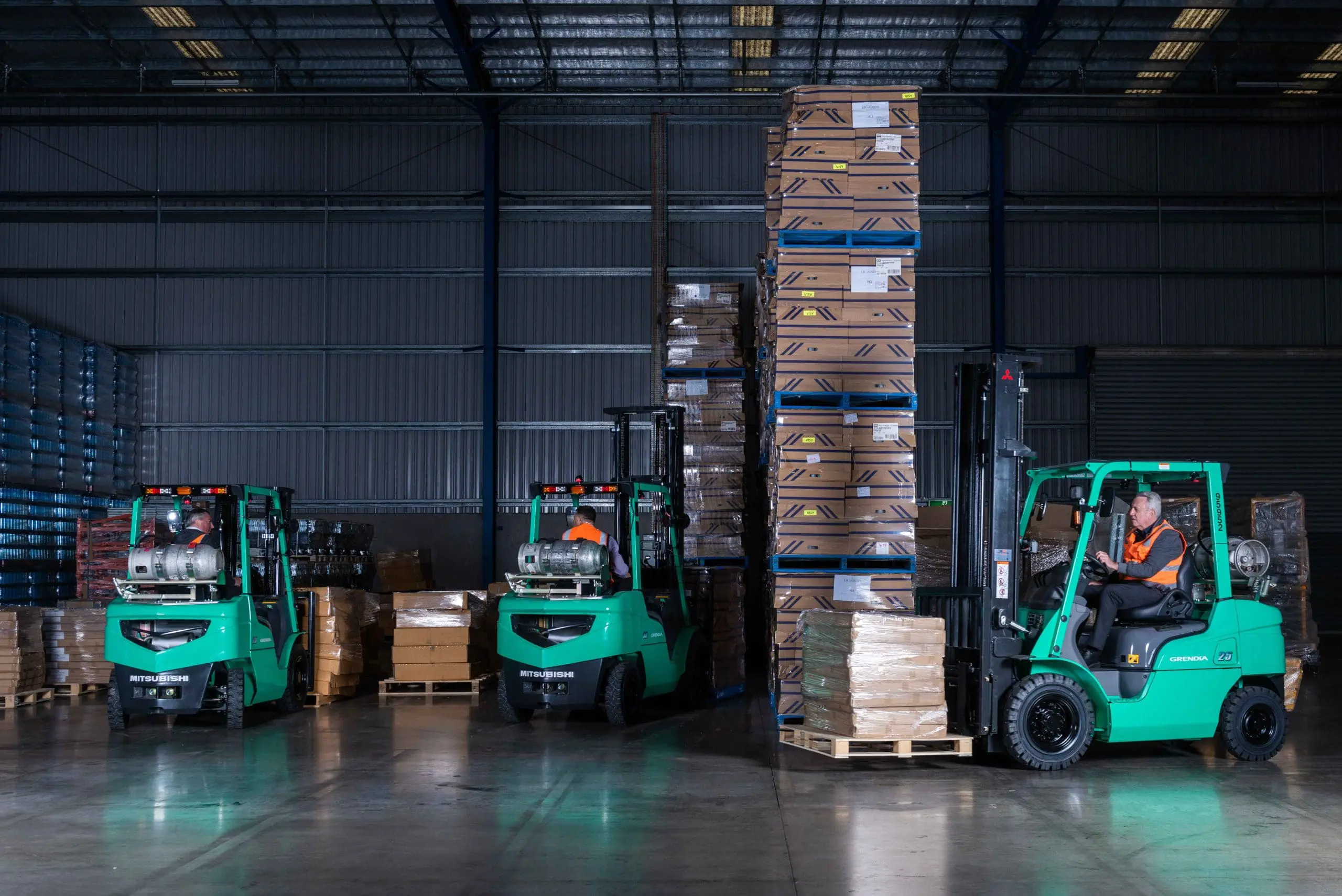
Additional rust protection reduces a particular equipment concern. It does not remove the need for normal forklift inspection and maintenance.
A forklift working in demanding conditions still needs pre-use attention. Visible deterioration, unusual operation or damage should be raised rather than treated as an unavoidable consequence of the environment.
That is particularly important when a machine is used regularly. Corrosion can be easier to manage when condition changes are noticed and dealt with rather than allowed to become part of the forklift’s normal appearance.
MLA’s Perth service operation has mobile technicians working across WA and services different forklift makes and models. Where inspection identifies maintenance, repair or a component requirement, the service and parts pathway can follow what the machine actually needs.
A temporary rental can also cover suitable handling when owned equipment is unavailable, but the replacement machine should be selected for the environment it will enter as well as the load it will lift.
A boatyard supplier receiving a conventional pallet may still need nothing more complicated than an appropriate counterbalance forklift.
A contractor working on a Mandurah project could need machinery or materials unloaded in a suitable work area. Another local customer may be moving equipment at a workshop with no meaningful marine exposure at all.
The presence of water elsewhere in Mandurah does not change those jobs.
MLA’s Perth hire range includes electric, LPG and diesel counterbalance forklifts together with warehouse equipment for different applications. Rental can also provide additional handling capacity when existing equipment is genuinely stretched by current work.
Where the operating conditions are conventional, the hire decision can remain conventional.
Where the machine repeatedly works around marine products or ocean-side operations, the exposure deserves to be visible before the equipment is chosen.


When marine exposure genuinely forms part of a Mandurah forklift job, mention it before the rental is committed rather than after corrosion becomes visible.
Describe what the forklift needs to move and where most of its working time will be spent. That gives MLA a practical basis for matching the handling requirement first and considering additional corrosion protection where the machine’s environment makes it relevant.
For a straightforward pallet, machinery or project movement away from that exposure, the enquiry can stay focused on getting the right forklift to the job without adding a marine specification that serves no useful purpose.
No. The useful factor is the machine’s actual operating environment and level of exposure. A forklift working mainly in a protected indoor area can have a very different requirement from one repeatedly used around marine products or ocean-side operations.
Some Mitsubishi electric forklift configurations include an optional additional rust-proofing package intended for marine-product and ocean-side applications. The appropriate forklift and configuration still need to suit the rest of the handling job.
Raise the condition rather than assuming it is purely cosmetic. The extent and location of deterioration need to be understood so servicing, repair or any required parts can follow the actual condition of the machine.










