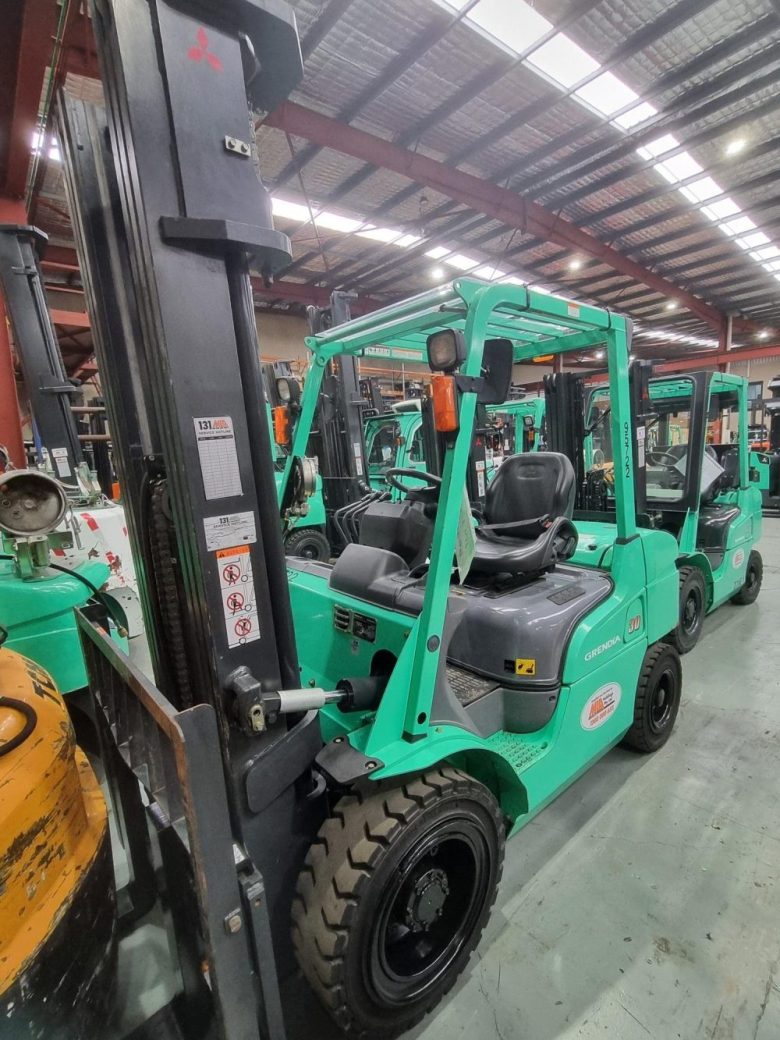
A Moorabbin business may need to move display stock, workshop equipment, machinery or fitout materials through a premises that is still serving customers and staff. The load itself may be straightforward. The difficulty is creating enough clear space and time for the forklift to work without turning the front entrance, trade counter or customer parking area into part of the handling route.
Moorabbin combines established industrial activity with major commercial and customer-facing uses. Some businesses operate from premises where a warehouse, workshop, showroom or trade counter shares the same access. In that situation, forklift hire and rent in Moorabbin works best when the equipment, route and hire period are planned around the part of the premises the business can temporarily control.
A one-day rental can cover a single delivery or equipment placement. Project hire can remain available across several stages of a fitout, stock relocation or machinery move. Longer rental may suit recurring warehouse or production work. That is where MLA Complete Forklift Solutions adds value, by matching the equipment and rental period to the movement without creating an unnecessary interruption to normal trade.
A forklift should not be selected solely based on the weight shown on the delivery paperwork.
The job may begin at a rear driveway, continue through a workshop and finish inside a showroom or storage area. Doorway clearance, turning room, floor condition and the final placement point can matter as much as the first lift from the truck.
A useful hire discussion should establish:
These details help determine whether a short booking is enough or whether the hire should continue until the complete task is finished. They also reduce the risk of arranging a machine that reaches the property but cannot move practically through the building.
MLA’s Melbourne forklift rental service includes short and longer arrangements for different handling requirements.
A customer-facing premises does not always need to close for forklift work. The important point is to separate the handling area from the parts of the business that remain open.
A rear warehouse or workshop may continue operating while another section is temporarily cleared. In other cases, the most practical option is to complete the movement before customers enter the relevant area or after a nearby activity has finished.
The forklift route should remain direct and controlled. Customers, staff and unrelated vehicles should not be expected to weave around the machine. The load should have a ready set-down point so the operator is not waiting while space is created.
This does not require a complicated operating manual. It requires one usable path for the forklift and a clear point at which normal access can resume.
Where the planned route changes, the equipment discussion may also need to change. A different doorway, surface, or turning area can affect the practical choice of machine.


Some Moorabbin businesses already own a forklift but cannot release it for the temporary job.
The normal machine may be needed for receiving, warehouse replenishment, workshop activity or production at the same time that fitout materials or machinery must be moved elsewhere on the premises. Redirecting it can solve one immediate problem while creating another.
A separate rental can support the temporary movement while the existing forklift remains with daily work. The project machine can then be selected for its own route, lift height and access conditions rather than copied automatically from the normal equipment.
This may suit a one-off machinery delivery, several stages of fitout work, a showroom rearrangement, temporary project capacity, stock transfer between sections of the premises or a longer period of additional warehouse demand.
The same section of the operation may also be affected when the existing forklift becomes unreliable or unavailable. A recurring warning, lifting concern, charging issue or change in performance may require service attention before the business assumes it simply needs more capacity.
The service discussion should focus on what changed, which task is affected and when the machine can be accessed without disrupting the premises. Where parts may need to be identified, equipment details and clear photographs can support the initial discussion without being treated as a diagnosis.
Temporary hire may keep the planned movement or normal warehouse work continuing while servicing, repair or parts identification proceeds.
A one-day booking may be enough for a confirmed delivery and final placement. It may not be enough where packaging must be removed, equipment needs repositioning or trades require handling support across several stages.
The practical rental period should reflect the outcome the business needs:
This keeps the commercial decision focused on completing the job rather than simply having a forklift onsite for the first lift.


Call 1300 166 660 with the load, entrance, internal route and part of the premises that must remain open. Explain whether the requirement is one delivery, a project completed in stages, temporary additional capacity or support while an existing forklift is unavailable.
Where photographs or measurements will help, add them through MLA’s contact page. The objective is a forklift arrangement that completes the movement without creating a larger interruption for customers, staff or normal warehouse work.
Yes. Short hire can support a defined delivery, machinery placement, stock transfer or fitout task where the load, route and final position are confirmed.
Potentially. The forklift route and set-down area should remain separated from customers and normal staff movement. Unaffected areas may continue operating where the premises allow it.
A project rental may be more practical than arranging separate short bookings. Explain the expected stages, access changes and likely operating period.
Yes. A separate machine can support the temporary task while the existing forklift remains with receiving, warehouse, workshop or production work.
Provide the equipment identification, operating concern, machine location and access point. Photographs may help clarify the visible issue and the area where the forklift is located.