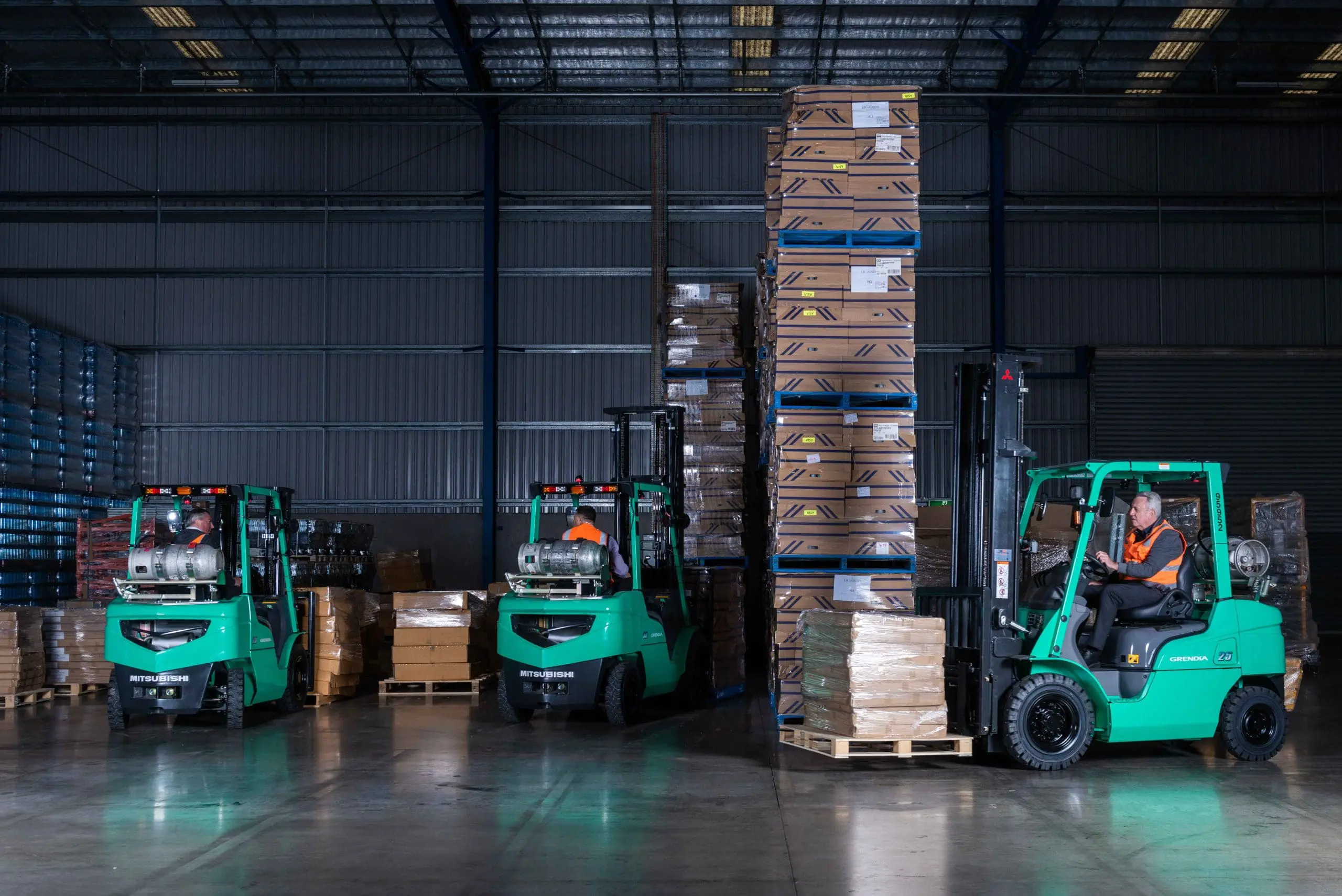
Planning forklift hire is easier when the customer knows what the incoming load will look like. A pallet of rural supplies may be ready for the forks immediately. Machinery could arrive on a transport base. Building materials might come as a compact pack, while another delivery is long, flat and flexible enough to need support across more of its length.
Mount Barker customers encounter that variety across farms, workshops, trade businesses, property projects and local commercial work. The Mount Barker Regional Saleyards, six kilometres south of town on Albany Highway, remain an active part of the district’s cattle infrastructure, with the Shire continuing its soft-floor mat replacement program into 2026. That local activity sits within a wider rural economy where materials, equipment and supplies arrive in many different forms.
MLA Complete Forklift Solutions provides forklift hire and rental for suitable South West WA applications. Customers can bring the load and intended movement into the discussion without having to select a forklift model beforehand.
The physical form of the delivery often determines how much attention the lift needs.
Packaged products on a sound pallet already provide a familiar fork interface. A piece of machinery may rely on a skid or designated fork pockets. Other materials arrive as bundles where their length, flexibility or support underneath becomes more important than their footprint alone.
That distinction is useful for customers arranging several types of handling during the same project. A forklift selected for palletised fencing supplies might also be suitable for other loads on site. If a later delivery arrives in a very different form, it deserves its own check before it is added to the work.
For general hire, the main aim is practical. The forklift has to pick up the load in the form supplied, carry it through the required movement and place it where the next stage of the customer’s work can continue.
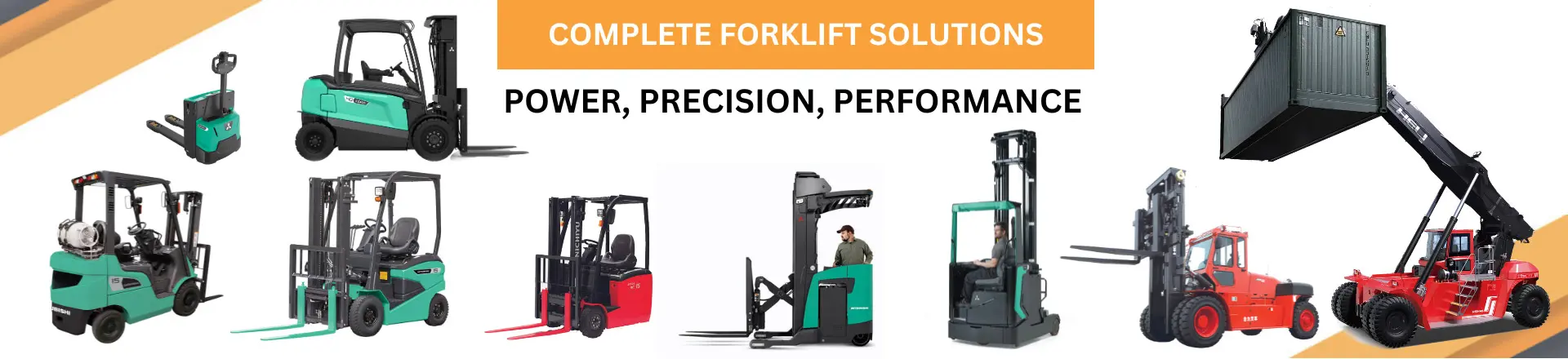
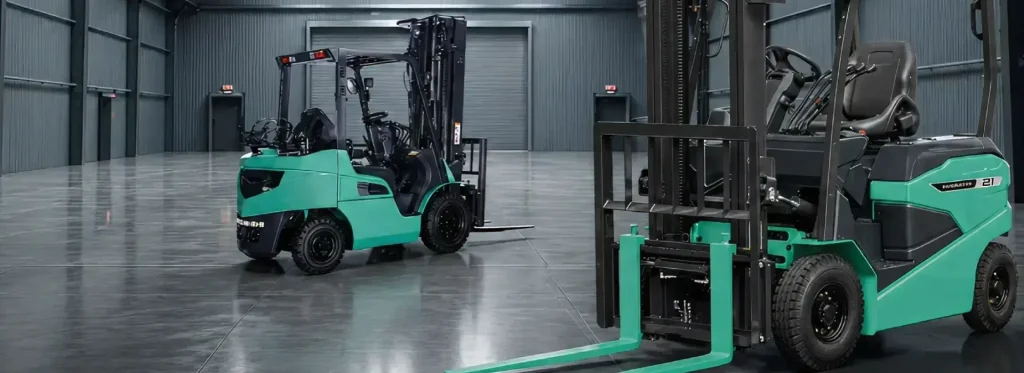
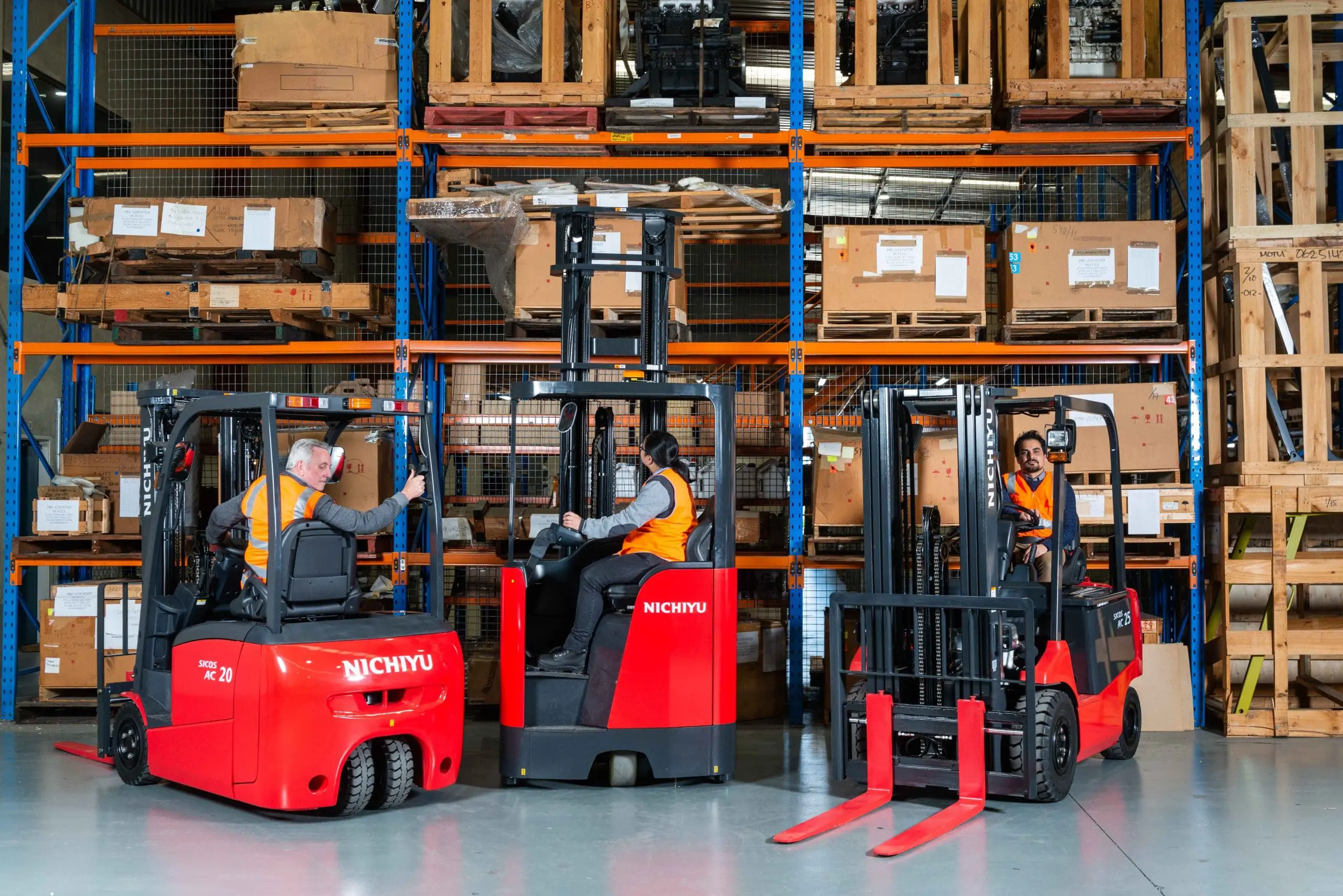
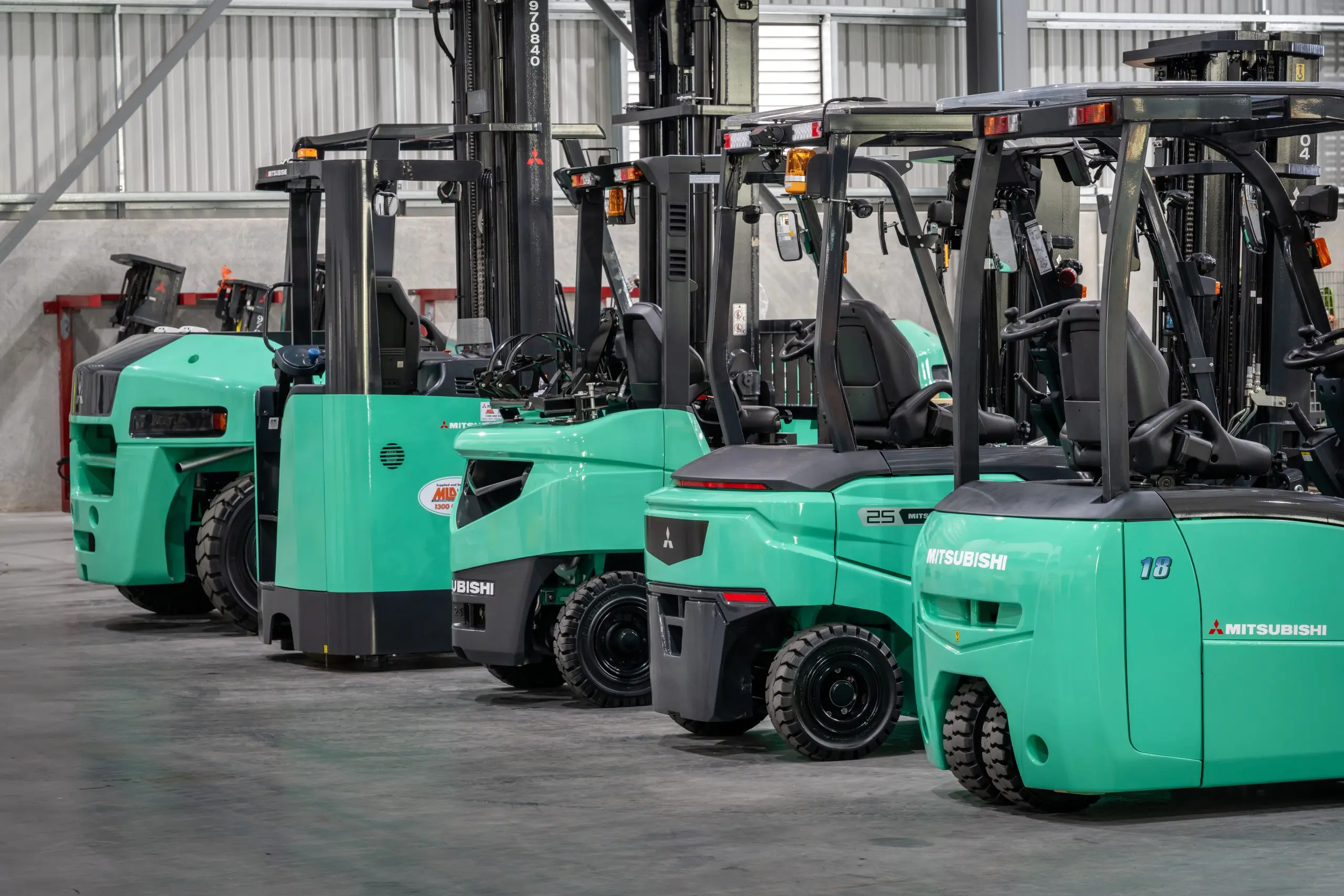
MLA’s forklift rental and hire fleet includes equipment across different capacities and configurations, giving customers a starting point when the workload extends beyond familiar pallet handling.
Large flat bundles deserve a closer look because they can behave differently from rigid palletised goods.
The mat replacement program at the regional saleyards provides a recognisable Mount Barker example of large flexible material, although the same principle can apply to other rubber products, sheet materials and long flat packs encountered elsewhere.
A bundle may have a manageable total mass while still sagging if too much of its length extends beyond effective fork support. Flex can also allow individual pieces within the pack to shift if the bundle has been prepared poorly for movement.
For a flexible flat load, three things are especially helpful to identify:
The aim is to support enough of the load to keep the pack controlled throughout the lift. Fork length, fork spacing and the carrier beneath the material may all contribute to that outcome.
This is different from handling a rigid pallet where the carrier itself distributes support across the goods above. Flexible material can place greater importance on how much of the pack is physically supported from underneath.
Will extra forklift capacity solve a flexible-load problem?
More capacity only addresses the weight side of the task. The bundle still needs adequate support and a stable handling arrangement. A heavier forklift with the wrong support geometry can leave the same underlying problem in place.

A rural customer receiving bagged supplies on pallets may have a familiar unload. Building materials arriving for a shed or property improvement can create another forklift requirement. Workshops can need mechanical help with equipment, components or packaged stock.
Those examples do not need to be forced through the flat-bundle scenario.
If a pallet is stable and the load details are clear, the focus can remain on getting it unloaded and moved through the required part of the site. Machinery may call for its designated support arrangement to be checked. A crate or fabricated item can bring its own handling information.
This is where customer-first hire matters most. The equipment discussion should be proportionate to the load. A common pallet movement should remain easy to explain, while a more unusual item receives the extra attention it actually earns.
For customers comparing a heavier load with forklift capability, MLA’s load rating and load centre guidance explains how rated capacity relates to the way a load is positioned on the forks.
A farm improvement, workshop change or building project may have materials arriving at different times. Keeping a forklift available across those movements can make sense where the loads remain within the machine’s capability.
The key is spotting when a later delivery changes the original handling requirement.
Suppose the first few loads are palletised supplies. The next truck brings a long bundle of flexible matting or another flat product. The forklift already on site may still be suitable, but the new load form needs its support arrangement considered before lifting.
The same applies if machinery arrives after the original pallet work. Its mass and fork interface can differ enough to warrant a separate check.
Hire and rental should give customers room to deal with that real workload without turning every delivery into a fresh equipment search. Material changes to the load are the point where the existing plan deserves another look.
Safe handling begins with a stable load that the forklift can support properly. For a long flexible bundle, the carrier and fork engagement should keep the material controlled during lifting and travel. Loose pieces or poorly supported sections can change the behaviour of the load even when its total mass remains within the forklift’s rated capability.
The operator should also be familiar with the hired machine before loaded work begins. Where a farm, workshop or project site remains active around the lift, the immediate operating area needs enough separation for the movement to proceed without people entering the forklift’s path.
For palletised supplies or a single machinery delivery, preparation may be much shorter. The customer should focus on the feature that genuinely changes that particular movement.
Can I hire a forklift for building materials or machinery even if the work has nothing to do with the saleyards?
Yes. Suitable forklift hire can cover property deliveries, workshop equipment, palletised materials, machinery and other loads prepared for mechanical handling. Each requirement is considered from the actual load and movement involved.
What should I check if a flat bundle arrives on timber bearers?
Confirm that the bearers remain sound, the bundle is stable on them and the forks can support the load effectively through the intended lifting points. If the bundle is substantially longer or more flexible than the loads already planned for the hire, flag that change before it is lifted.