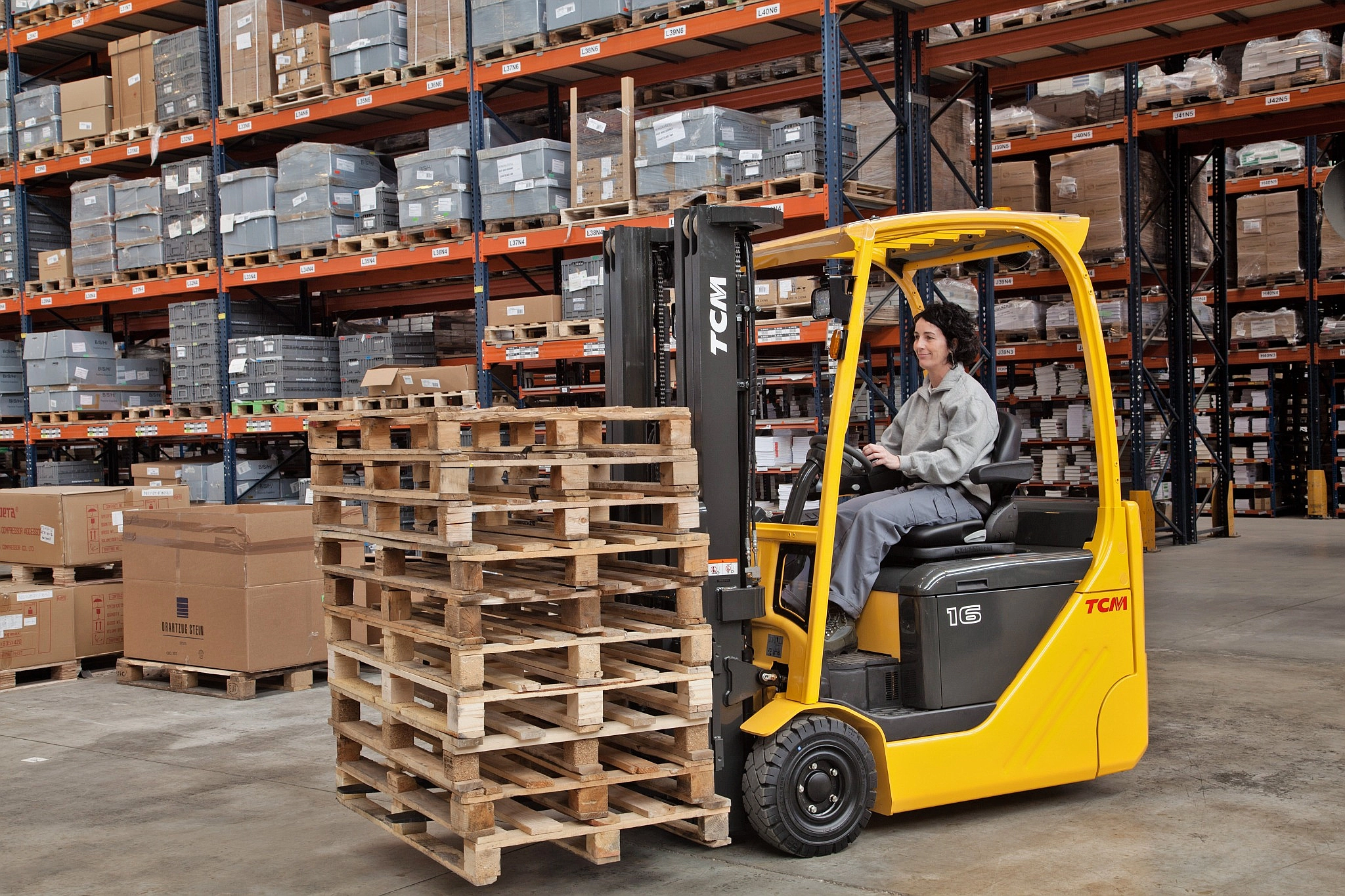
A forklift booking in Newcastle may involve much more than moving identical pallets from one side of a warehouse to another. One delivery might bring packaged stock with clearly marked weights, while the next involves machinery, fabricated equipment, or project cargo that place different demands on the forklift.
MLA Complete Forklift Solutions provides forklift hire and rental in Newcastle for businesses, contractors, and customers who need equipment matched to the work at hand. That may be an unloading job, additional handling capacity at an industrial site, machinery movement in a workshop or another task where bringing in a suitable forklift makes more sense than working around equipment that does not fit the lift.
The hire decision should reflect what the forklift will carry and how the work will be performed. Capacity matters, but so do the load centre, lift height, attachment configuration, and the way the load weight is determined.
Newcastle has an unusually broad freight and industrial mix. The Port of Newcastle handles cargo including machinery, project cargo, steel, containers, rail equipment, and mining-related loads. That local mix helps illustrate an important difference between a site handling repeat packaged stock and one where the next load may have a very different weight or form.
For a customer moving consistently labelled goods, the weight information needed for forklift selection may already be available from the supplier, packaging or transport documentation. Where loads change frequently, weight information can become a more active part of the handling decision.
That is where weighing capability may be worth discussing as part of the forklift hire specification.
An onboard weight indication or a compatible weighing system can help in work where the operator regularly encounters changing loads and needs an additional source of load information. It does not replace the forklift’s rated capacity information or the need to consider load positioning. It provides another piece of information that may help the customer manage repeated variable-load handling.
That distinction matters for a Newcastle site receiving different machinery, fabricated items, or project freight over the same period. The forklift requirement may remain similar across much of the work, while how load mass is confirmed warrants more attention.
The right approach depends on what information already exists and how often the load changes.
| Load situation | What may provide the weight information | What it means for the hire discussion |
| Packaged goods with reliable markings | Supplier, packaging or freight documentation | MLA can use the declared load information when discussing suitable capacity |
| A load that can be weighed separately | A suitable independent weighing method | The measured mass becomes part of the forklift selection information |
| Repeated variable-load work | Compatible forklift weighing or load-weight indication may be worth considering | Weighing capability can become part of the equipment brief rather than a separate one-off check |
The table is not a capacity shortcut. Two loads with the same mass can still place different demands on a forklift if their dimensions, centre of gravity or required lift differ.
For that reason, hiring the highest-capacity machine available is rarely a sensible substitute for properly describing the work. A larger forklift also brings its own dimensions, manoeuvring needs and operating characteristics. The better hire choice is the machine whose rated performance and configuration suit the movements the customer expects to perform.


A warehouse receiving stable, packaged stock may have very different requirements from a workshop unloading a crated machine. A contractor handling building materials may only need the forklift for a concentrated lifting stage, while an industrial operation may bring in another truck because several handling tasks are competing for equipment.
These customers do not need the same machine simply because the work is happening in Newcastle.
The hire discussion becomes clearer when the heavier, higher or less conventional movements are identified alongside the routine work. If one suitable forklift can cover the full requirement, the booking can stay centred on that machine. Where the work calls for a different attachment, power source or forklift category, that should be resolved before equipment arrives on site.
For variable-load work, load weight is one part of that decision. The way the load projects from the forks can affect capacity at the load centre. A lift to a higher position can also change the capacity available at that height. Where an attachment is required, its effect on the forklift configuration must also be considered.
This is why a forklift hire enquiry should describe the movements rather than simply request a familiar model number or nominal tonne class.
The rental process should be easy for the customer to follow.
The first discussion establishes what the forklift will be doing, the load information already available, and the conditions that affect equipment suitability. MLA then works through an appropriate forklift or equipment configuration and the rental arrangement for that requirement.
Delivery and site preparation depend on the booking. The customer should have the work area ready for the supplied machine and ensure that the people operating it meet the applicable requirements for that equipment and workplace.
From there, the forklift is used for the agreed-upon work, and the booking concludes in accordance with the rental arrangement made with MLA. There is no benefit in turning the enquiry into a technical specification exercise before speaking with the team. The important information is the work that changes the choice of equipment.
For a Newcastle customer handling variable loads, this may include a range of load weights and the highest-loaded lift involved. For another customer, the important point may simply be the size of a machine being unloaded and the space available to move it.


Hire and rental remain the main reason many customers contact MLA, but the Newcastle operation also supports businesses that own forklift equipment.
If an existing forklift develops a condition that needs assessment, MLA provides forklift servicing and repair support. Parts enquiries can also be handled using the machine and component information needed to identify the appropriate item. A visible symptom alone may not indicate which component is required, so service and parts decisions should follow the machine’s condition rather than guesswork.
Safety also sits within equipment suitability. Load information must be considered alongside the forklift’s rated capacity, the work being performed, and any attachments fitted to the machine. Where a site has additional operating requirements, those requirements should be raised when arranging the hire so the supplied equipment can be discussed in that context.
For a customer who simply needs a forklift for a delivery, a workshop task, or site movement, the enquiry can remain focused on that work. More specialised equipment features need only be brought up when the job calls for them.
If the work involves changing freight, machinery or other loads with different weight characteristics, include the load information already available when you contact MLA. Where repeated weighing would help the operation, raise that during the hire discussion so compatible options can be considered.
For a simpler lift, describe what needs to be moved, where the forklift will operate and the position the load needs to reach. MLA can then discuss a suitable hire arrangement without requiring you to choose the forklift model first.
Contact MLA Complete Forklift Solutions when the next Newcastle job needs forklift hire or rental.