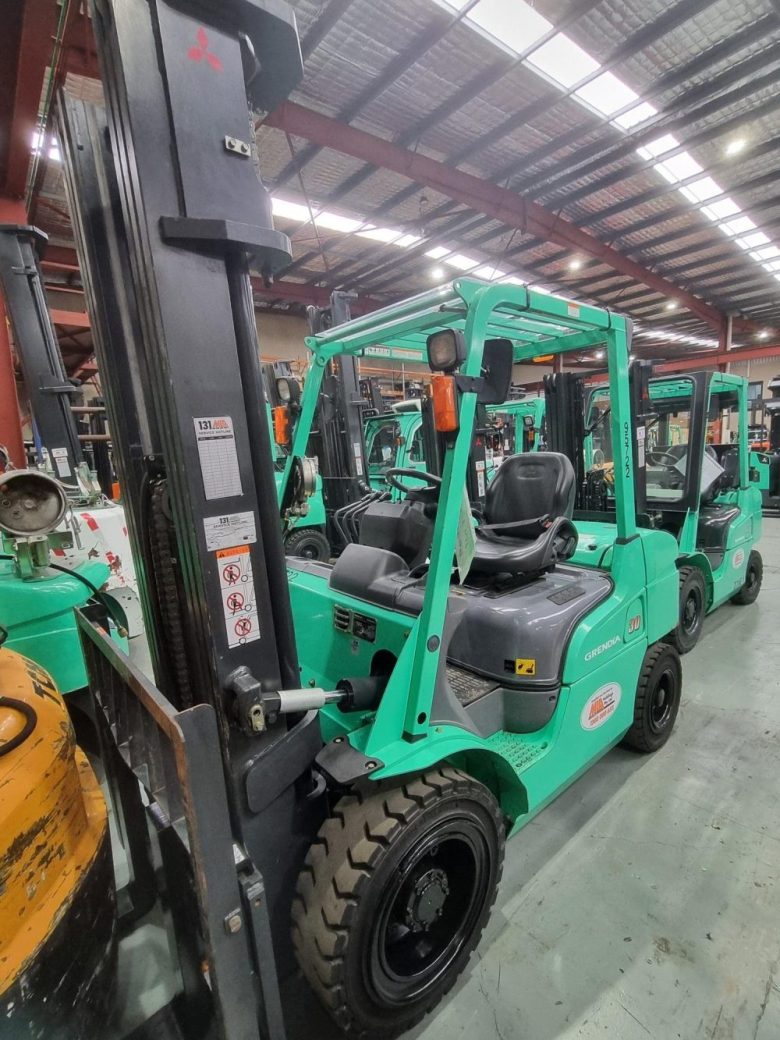
A Noble Park business may have a delivery confirmed, stock waiting to be moved, or equipment that needs placing, yet still have no obvious area where the truck and forklift can work together. The shopfront may open onto a busy pedestrian area, the rear lane may be shared, or a private driveway may be too narrow for both vehicles.
Noble Park’s compact activity centre brings commercial premises, public parking, laneways and pedestrian movement close together. Before equipment is arranged, the key question is where the load can be transferred from the truck to a controlled working area.
For forklift hire and rent in Noble Park, MLA Complete Forklift Solutions can discuss the load, access, site conditions and required hire period once the usable work area is understood. Support may cover a delivery, stock movement, machinery placement, fitout, temporary extra capacity or a longer rental requirement.
A forklift may have the correct capacity and lift height, but the movement can still fail if the truck cannot stand near the premises, the access route crosses customer traffic or the set-down area is not ready.
The enquiry should explain:
Where the truck can stop and unload
Where the forklift will first take the load
Whether the route stays on private property
Which gate, lane or doorway will be used
Where the load will be placed
How long the area can remain controlled
These details help determine whether the equipment and hire period are practical. They can also reveal limited turning space, shared access, restricted doorways or a delivery position that is too far from the final placement point.
Short-term forklift hire may suit a delivery, machinery movement, warehouse rearrangement or fitout. Project rental may support work completed over several days or weeks. A longer rental may be more suitable when the business has a recurring handling requirement or needs additional capacity beyond a single job.
A Noble Park customer may already own a forklift but need another machine for work outside the normal warehouse area. A separate rental can support the temporary movement while the existing equipment remains with daily operations.
The useful question is not only how long the forklift is needed. It is what must be completed before the equipment can be released.
Consider a business receiving a palletised item that cannot be moved manually. The supplier confirms the delivery date, but the premises have no large front yard. The rear access is shared, and customer vehicles use the same direction.
The business needs one confirmed unloading point, one clear route and one person responsible for keeping the area available while the load is moved.
Provide the weight, dimensions, pallet type, lift height and final position. A machine selected from a general description may not suit the actual task.
Identify the private driveway, yard, loading bay or shared commercial access that can be used. Where public parking or road space may be affected, the customer should check the relevant council, property-owner or tenancy requirements before fixing the date.
The hire period should include unloading, internal movement and final placement. Where fitout or relocation work occurs in stages, several days may be more practical than a booking built around the first truck arrival.
The forklift route should remain separated from customers, pedestrians and unrelated vehicles. If another part of the premises can continue operating, staff should know which entrance and area remain available.


A forklift fault can create the same access problem as a delivery. The machine may be parked in a rear yard, behind another tenancy or inside a shared commercial area that is difficult to reach during normal activity.
A service enquiry should explain where the forklift is located, which entrance provides access and when the area can be made available. Include the equipment details, the operating concern, and the work affected by the fault.
Where parts may be required, photographs and clear machine identification can support the initial discussion. They should not be treated as a diagnosis, but they can clarify what needs further checking.
If the normal forklift cannot complete an essential movement, temporary rental may be considered while service or parts requirements are assessed. The rental should be shaped around the actual load and route rather than assumed to be identical to the existing machine.
Current Melbourne branch details are available through MLA’s branch network.
The operating area should keep the forklift separated from pedestrians, customers and truck drivers. The route should remain visible and free of vehicles or materials not part of the plan. The set-down point should be ready before the load is lifted.
Where the work affects a shared lane, parking area or public space, the customer should confirm the permissions and controls that apply. A forklift booking does not reserve a loading zone or transfer responsibility for public-space approval to MLA.
If access changes are confirmed before the job, the hire plan should be reviewed. A different truck position or doorway can change the turning room, travel distance and suitable equipment.

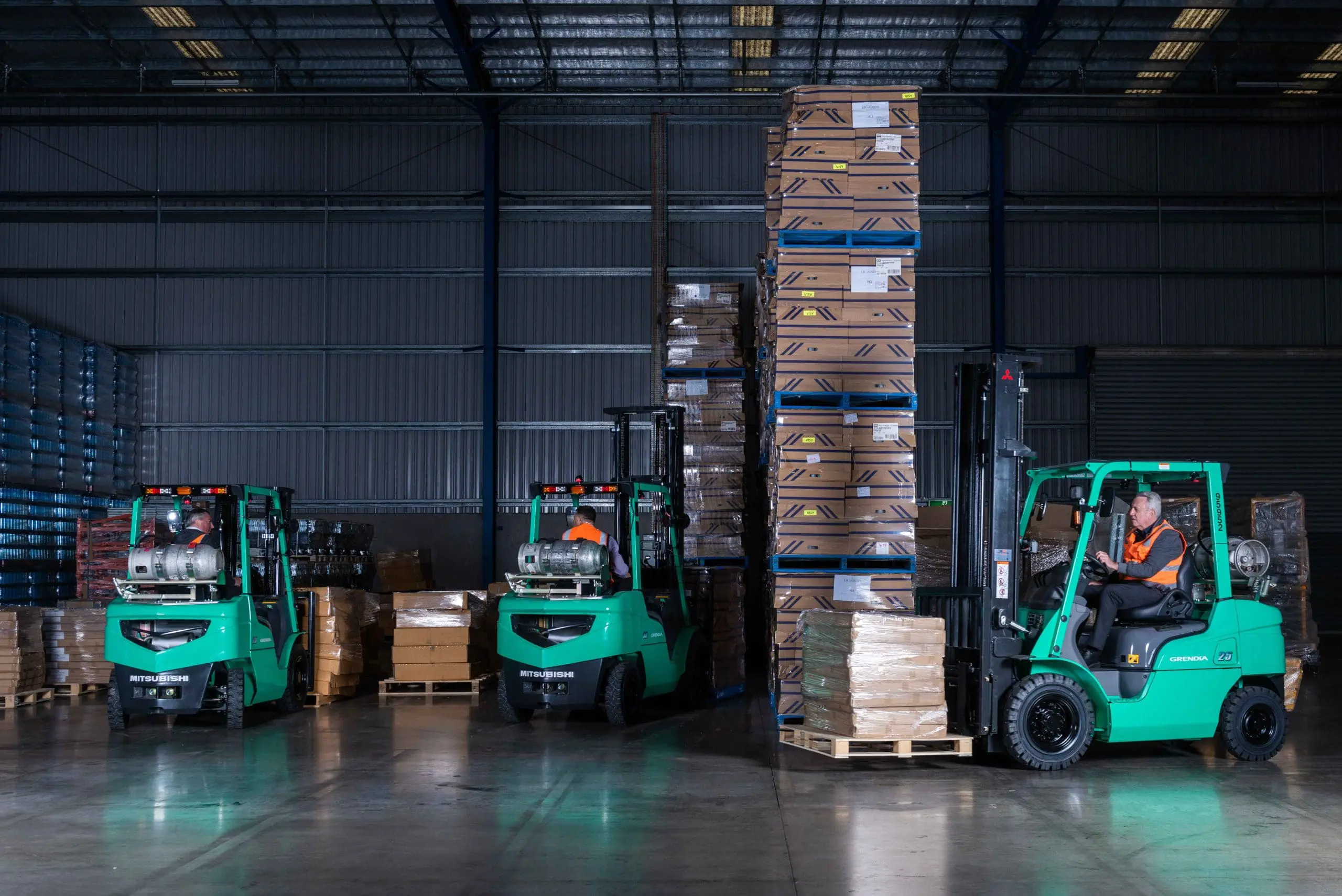
Prepare the load details, preferred date, access photographs, truck position and final placement point. Explain whether the area is private, shared or likely to affect public space.
Send the information through MLA’s contact page or call 1300 166 660 to discuss forklift hire, rental, service or parts support in Noble Park. A clear description of the usable work area allows the discussion to begin with a practical solution rather than an assumed loading position.
The load, truck position, route and final placement area can be discussed together. The customer should first confirm which private or approved area can be controlled for the movement.
Explain who uses the lane, when it is available and whether another vehicle or pedestrian route enters the area. Property owner, tenancy, or other access approval may need to be checked before the booking.
Yes. Rental may support a delivery, several stages of fitout work, stock movement or a longer project where the access and operating area are confirmed.
Provide the equipment identification, fault description, machine location, access point and work affected. Photographs may help clarify the site and visible issue.