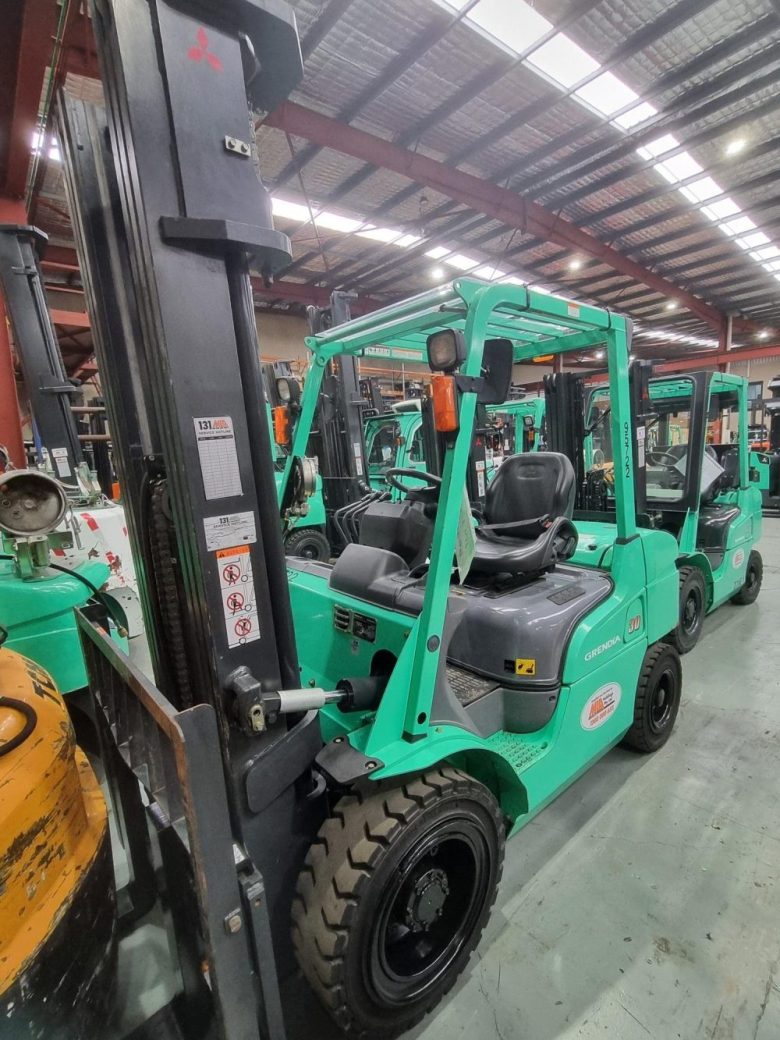
A project drawing may show the permanent entrance, completed hardstand and finished loading area. When the delivery date arrives, the active gate may be somewhere else, internal roads may still be temporary, and the building may only be accessible from one side. A forklift selected around the finished layout can reach Officer and still be unsuitable for the site in its current stage.
Officer South is planned as a major employment precinct, but development will occur progressively. For forklift hire and rent in Officer, MLA Complete Forklift Solutions can discuss the load, current access, operating surface and project stage before the rental is arranged. The same support is available for established Officer businesses needing a forklift for deliveries, stock movement, machinery handling, temporary capacity or longer rental.
The hire process should begin with what needs to be completed, not with a machine model.
Provide the load weight, dimensions and lifting points where relevant. Explain whether the task involves unloading construction materials, positioning equipment, moving palletised goods, supporting a fitout or transferring items into a completed part of the building.
The final position is just as important as the truck location. A load that can be removed from the vehicle may still need to pass through a doorway, travel across a temporary hardstand or turn inside a partially completed work area.
From there, the discussion can cover:
This gives MLA a clearer basis for discussing a short rental, a project arrangement, or a longer-term hire requirement.
A temporary site route may be narrower or less direct than the permanent one. The truck may need to unload farther from the building, increasing travel and changing the surface the forklift must cross.
Where the current route includes unfinished ground, the customer should confirm that the operating area is firm, suitable and approved for the planned equipment. A forklift should not be sent to test whether an uncertain surface will support the machine and load.
Access information should also identify:
If the route changes before the booking date, updated information should be sent rather than relying on the original plan.
Future plans are useful for understanding where a site is heading. A forklift booking requires information on what is available for the required date.
| Future site plan | Information needed for the current hire |
| Permanent entrance | Gate that vehicles can use now |
| Finished internal road | Route currently open to trucks and equipment |
| Completed hardstand | Surface available for the planned movement |
| Permanent loading bay | Present unloading and set-down area |
| Finished warehouse | Doorways and work areas currently accessible |
| Final traffic layout | Temporary vehicle and pedestrian routes |
The difference matters because each change can affect equipment access, turning room, operating surface and the distance the load must travel.
A site photograph, current marked plan or short video can show whether the proposed route matches the actual project stage. The information should be recent enough to reflect new fencing, stored materials, contractor compounds or changes to the active gate.


Different stages of the same development may require different handling support.
An early-stage job may involve outdoor unloading and movement across a controlled hardstand area. Later, the work may shift inside the building, where doorways, floor conditions, turning room and overhead clearance become more important.
Short hire may cover one delivery or machinery placement. A project rental may support repeated movements during construction, installation or fitout. Longer rental may suit a completed business beginning regular warehouse or production work.
The booking period should reflect the actual work programme. It should include the handling tasks that follow unloading rather than ending automatically when the delivery vehicle leaves.
For businesses already operating elsewhere in Officer, general hire may also support warehouse rearrangement, seasonal demand, stock movement or a temporary increase in handling capacity.
Temporary traffic arrangements can change as construction progresses. A route that was clear during the initial inspection may later cross a contractor work area, pedestrian path or newly established storage zone.
The site’s forklift traffic controls should reflect the current layout. Forklift routes, pedestrian areas, driver waiting positions and exclusion zones need to be communicated to employees, contractors and visitors who may enter the work area.
A new gate or set-down point may require more than updated directions. It may change where the forklift can turn, where people cross the route and which part of the site can remain active during the movement.
The operator should receive the current site information and any relevant induction requirements before work begins. If the site no longer matches the hire brief, the movement should pause until the route and controls are reviewed.


Existing equipment may also need servicing or parts support while access around the site continues to change.
A service enquiry should identify the forklift, its current location and the entrance that provides practical access on the proposed date. Explain the operating concern, when it occurs and whether the machine is still being used for essential work.
Photographs can help show both the equipment issue and the route to the machine. Where a component needs further identification, clear equipment details provide a more reliable starting point than ordering from memory.
If the normal forklift is unavailable, rental may support a confirmed handling task while inspection, repair or parts identification proceeds. The temporary machine still needs to be selected around the current site stage.
MLA’s branch network provides current details for the Melbourne operation supporting Victorian hire, service and parts enquiries.
Prepare the load information, required dates, active entrance, current route and final placement point. Add recent photographs or a marked site plan showing the areas available to trucks and forklifts now.
Submit the Officer job through MLA’s contact page or call 1300 166 660. The clearest hire discussion begins with the stage the site has reached, the task that must be completed and the conditions that will exist on the booking date.
Yes, where the current entrance, route, surface, work area and load requirements are confirmed. The booking should reflect the site stage that will be in place on the required date.
Provide updated photographs, gate details and route information as soon as the change is known. Different access may affect delivery, turning room, surface suitability or equipment selection.
Yes. MLA can discuss short-term hire, project rental, and longer-term arrangements for established Officer businesses needing support with deliveries, stock handling, machinery movements, or additional operating capacity.