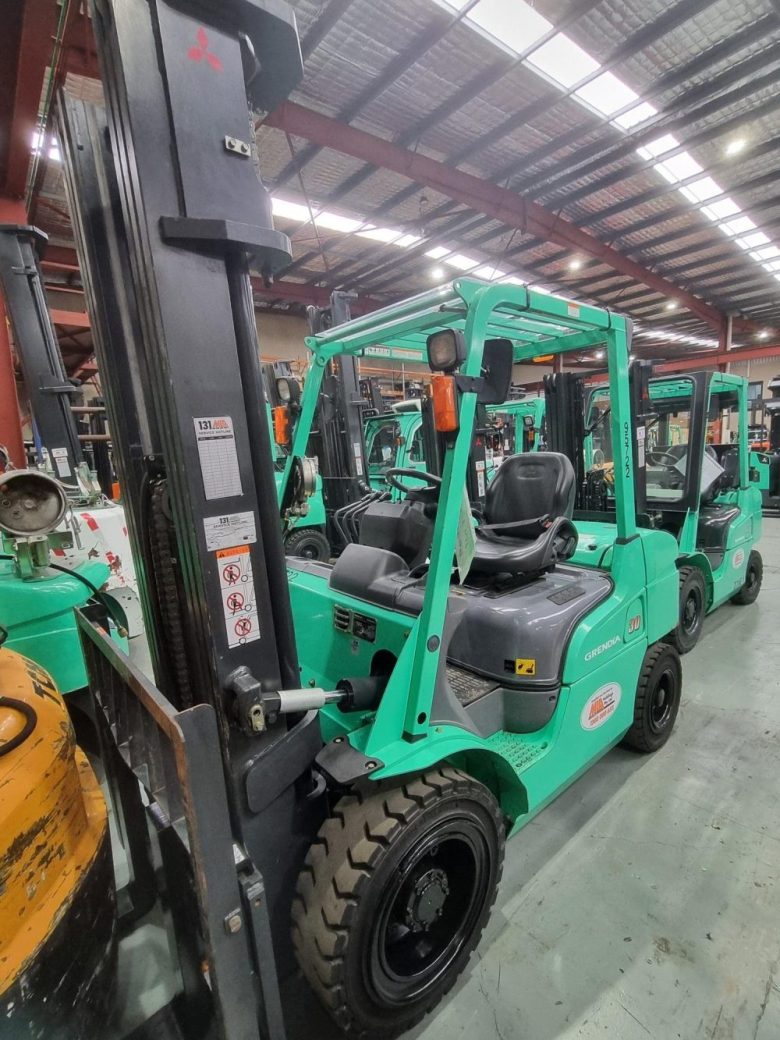
Forklift hire and rental are available in Ormeau for a single pallet unload, machinery delivery, a warehouse project, a seasonal increase, or a continuing materials-handling requirement. For temperature-controlled operations, the harder question is often whether the same machine should work at the ambient dock and inside the chilled or frozen storage area.
Ormeau’s industrial activity includes food processing, distribution, and purpose-built cold storage facilities. A pallet can leave the truck quickly and still wait at the doorway because the available forklift only suits one part of the movement.
The rental may cover the entire journey, remain on the ambient side, or provide extra capacity in storage. Defining that role prevents the dock, cold-room entrance and put-away team from competing for one machine.
An Ormeau hire enquiry can begin with one clear statement:
We need the forklift at the dock, in the temperature-controlled storage area, or across both areas.
Add the heaviest pallet, required storage height and the approximate number of movements expected during the busy period. Current rental options can be discussed through MLA’s Gold Coast forklift hire service or by calling 1300 166 660.
Customers with unrelated work can use the same route for machinery, manufacturing materials, warehouse stock, contractor equipment, or other suitable private-site movements.
There is no single arrangement for every temperature-controlled site. The practical choice depends on the environment, travel pattern and handling volume.
One forklift may unload the vehicle and continue into storage where the equipment is properly suited to both operating environments.
This can reduce pallet handovers and keep the movement simple. It still requires the machine to match the internal aisle, lift height and load as well as the external receiving task. Equipment suitable for an open dock should not be assumed suitable for repeated cold-store work without checking its specification and preparation.
Some operations keep one machine on the ambient side and another inside the controlled zone.
The dock forklift unloads and stages the pallet at an agreed position. The cold-store machine then completes put-away. This can protect specialised equipment from unnecessary external work and keep each forklift within its intended environment.
The handover only works when enough transfer space is available. Pallets left across the doorway can interrupt both teams, while unclear responsibility creates loads that neither operator believes are ready to move.
A customer may already have suitable equipment in both areas but lack capacity during a larger intake, seasonal programme or concentrated dispatch period.
The hired forklift can be assigned to the point where waiting begins. It might keep trucks moving at receiving, clear the transition area or support put-away so the normal cold-store machine remains available for retrieval and dispatch.
That is often more useful than adding a machine without deciding which queue it is meant to remove.

Repeated work in chilled or frozen storage can affect equipment differently from an ordinary ambient warehouse.
Cold-store preparation may involve the forklift’s battery or power system, lubricants, electronics, operator protection and other manufacturer-specific features. Condensation can also become a concern when equipment repeatedly moves between substantially different temperatures.
A standard electric forklift should not be selected for freezer work only because it produces no local exhaust emissions. Its specified operating environment, charging requirements and expected time inside the controlled zone still matter.
The hire discussion should establish:
An ordinary external machinery unload may require none of this cold-store preparation. Equipment should follow the actual Ormeau job rather than the most specialised operation found elsewhere in the suburb.
The transition area can become congested when receiving and put-away run at different speeds.
Pallets unloaded faster than the cold-store team can accept them begin occupying the dock. Loads moved out for dispatch can meet incoming stock travelling in the opposite direction. Empty pallets, wrapping and equipment waiting for inspection further reduce the usable space.
An agreed status for each pallet helps keep the handover clear:
The forklift route should remain separate from pedestrians and workers preparing orders beside the doorway. Operators also need clear visibility when moving between lighting conditions, doorways and areas where moisture or floor conditions may differ.
Doors should not be used as informal pallet-storage positions. Keeping the transition clear reduces handling and gives both forklift operators enough room to complete their movements without having to work around accumulated stock.
MLA’s forklift safety support is available where an operation is reviewing traffic separation, equipment use or broader site controls.


A machine operating regularly in temperature-controlled storage should be maintained with that environment and duty cycle in mind.
Changes in battery performance, recurring condensation issues, unusual hydraulic behaviour, or deterioration of components should be raised before the forklift becomes unreliable during receiving or dispatch. The service enquiry should include where the machine works and how frequently it crosses between temperature zones.
MLA’s Gold Coast forklift service and repair team can assist with maintenance, inspection and repair requirements. Confirmed component needs can be directed through forklift parts support.
When the regular cold-store or dock forklift is unavailable, temporary rental should be matched to the work that still needs to be completed. A machine capable of unloading trucks may not automatically suit freezer put-away, and specialised cold-store equipment should not be diverted to unrelated yard work without considering its intended role.
Possibly. The machine must suit the load, the external receiving area, the internal storage work, and the temperature-controlled environment. Repeated transitions between zones should be discussed before selecting equipment.
Yes. Temporary capacity can support receiving, put-away, retrieval or dispatch during a defined increase. The forklift should be assigned to the stage where the additional volume is creating delays.
Not necessarily. A forklift working only at the ambient dock can be selected for that area. The complete movement should still be understood so pallets do not reach a point where no suitable machine can continue the job.
Service, repairs and confirmed parts requirements can be discussed using the forklift details, working environment and reported issue. The correct maintenance approach depends on the machine and its operating conditions.
Yes. Suitable hire and rental are available for manufacturing materials, warehouse stock, machinery, construction supplies, project work, temporary replacement and ordinary pallet handling. Temperature-controlled storage is one important local application, not a condition of hiring