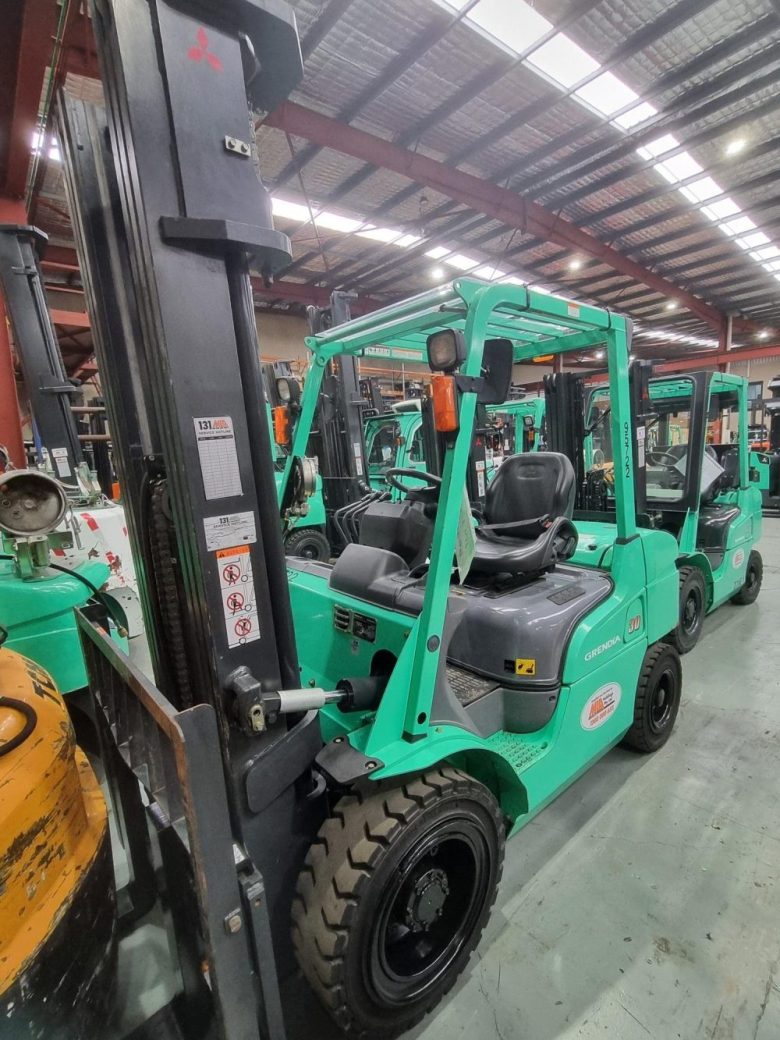
An Oxenford loading area can become congested quickly when a supplier truck arrives while a contractor or customer is waiting for an outgoing load. Both movements may depend on the same forklift and the same apron, leaving vehicles waiting while staff move pallets simply to recover access.
Temporary forklift hire can split that pressure. One machine may clear incoming deliveries while another handles prepared collections or keeps internal warehouse work moving. MLA Complete Forklift Solutions can help identify which task is causing the delay, then match the hired forklift to that role.
Oxenford’s trade, service, retail and commercial activity makes this shared-loading problem locally relevant, but it is only one reason to hire. A tradesperson unloading a generator, a property owner receiving building materials or a small operator moving one machine can also arrange suitable forklift hire or rental for a straightforward job.
Supplier deliveries and customer pickups may use the same apron, but they should not become one mixed handling process.
Incoming stock needs to leave the truck and move towards checking, storage or production. Outgoing goods should already be identified and ready for the vehicle collecting them. When those streams overlap, new pallets can block prepared orders and customer vehicles can enter before the supplier truck has cleared.
Assigning one forklift to a defined side of the operation can restore a simpler flow.
The rental may unload supplier vehicles and move goods to a receiving position while the regular forklift handles customer collections. Another business may reverse those roles, keeping its own machine on receiving while temporary equipment loads contractors and private buyers.
The better arrangement is the one that removes the repeated wait.
A loading apron stops working when it is used for storage.
Incoming pallets left beside the vehicle position can prevent the next delivery from entering. Outgoing orders staged too early may occupy the room needed for loading. Empty frames, wrapping, and parked vehicles can further reduce the remaining space.
Each substantial load should move towards a clear next step:
This prevents the same pallet from being shifted several times because nobody has decided where it belongs.
Vehicle entry also needs control. A private buyer or unfamiliar contractor may not know where the forklift normally operates. Keeping the next vehicle outside the active apron until the forks are clear reduces conflicts among drivers, customers, and operators.
Businesses reviewing wider traffic separation, visibility or site controls can also discuss MLA’s forklift safety support.
Temporary equipment does not need to copy every capability of the regular forklift.
A machine dedicated to customer loading may mainly place prepared goods onto utes, trailers or commercial vehicles. Equipment working in receiving may need to unload heavier pallets, travel farther into the property, or support put-away.
Hiring a larger machine than the task requires can make movement around parked vehicles harder. Choosing only for ground-level unloading can also create another delay if the forklift later needs to work with racking.
The useful details are the main load, the vehicle involved and where the forklift portion of the movement ends. MLA can then narrow the available options through its Gold Coast forklift hire service.
One substantial item can still be the whole job. A generator, a crated machine, or a grouped pallet delivery does not need to be part of a permanent commercial operation before forklift hire becomes practical.
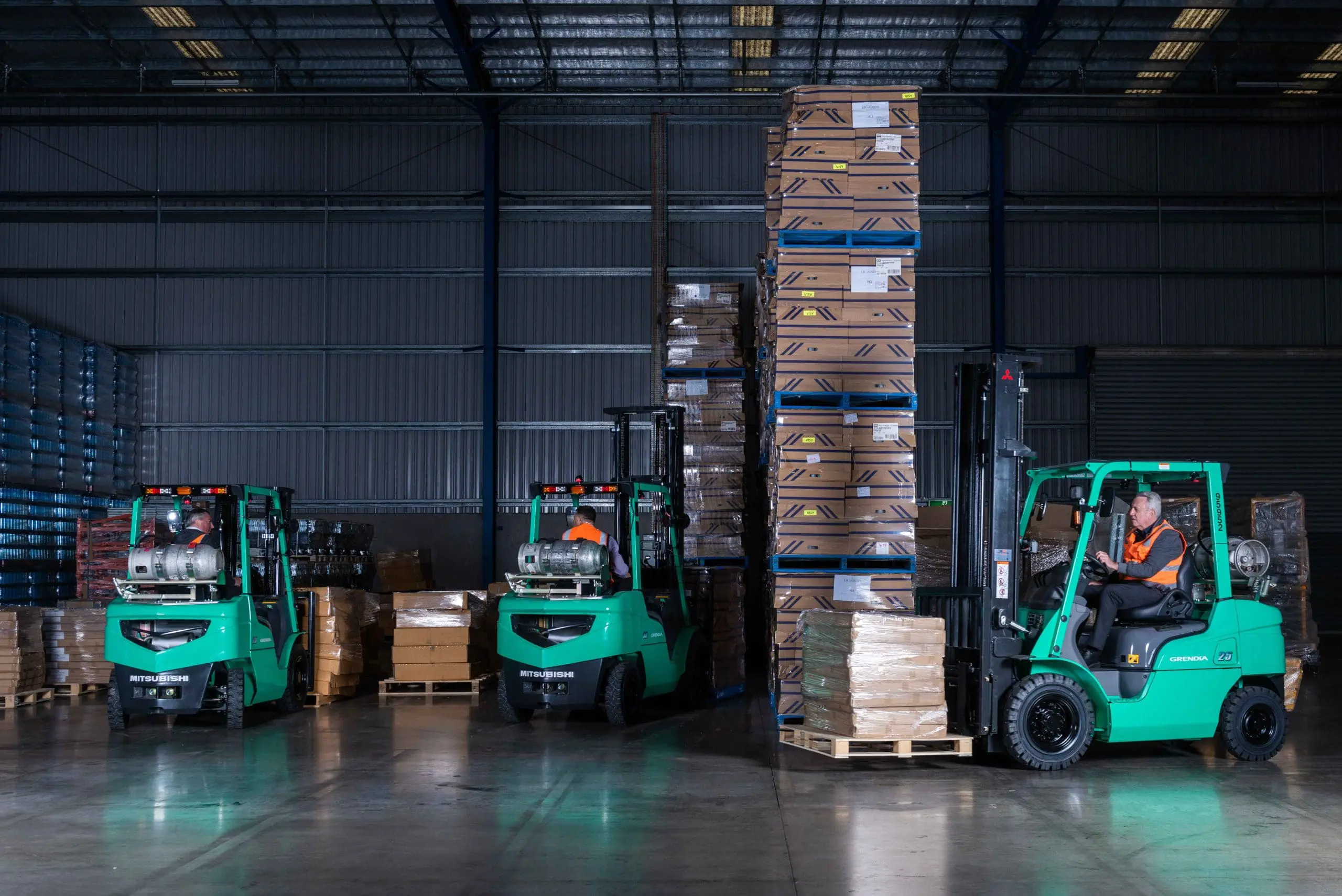
Some Oxenford businesses face this pressure only during a stock intake, a clearance programme, or a defined project. Once the extra volume is handled, the standard forklift can handle the usual workload again.
Other operations see the same conflict every week. Supplier trucks arrive while customer orders are being collected, and one machine repeatedly switches between the two.
A short booking can support a concentrated intake. Rental across several planned days may suit connected project work. A continuing arrangement may make sense where the second forklift keeps removing a genuine queue rather than sitting idle.
Frequent short movements between trucks, warehouse areas and customer vehicles place steady demand on a loading forklift.
A steering concern, hydraulic issue or damaged fork can affect both receiving and collection when no other machine is available. Planned maintenance is easier to manage when temporary equipment is assigned before the regular forklift is taken out of service.
MLA’s Gold Coast forklift service and repair team can assist with maintenance and repair enquiries. Identified component needs can be directed through forklift parts support.
The temporary machine should remain matched to the work for which it was selected. Equipment chosen for vehicle loading should not be moved to higher racking or to substantially different work without first checking that task.


Tell MLA whether supplier vehicles, customer collections or internal work are being held up, along with the main load the hired forklift would handle.
Call 1300 166 660 or use the Contact Us page to discuss the Oxenford job. The rental can then be shaped around the movement that needs to continue.
Yes. One substantial unload can justify forklift hire where the load, vehicle access and placement area are suitable. Regular commercial deliveries are not required.
The rental can be assigned to the movement that most often creates delays. Keeping one machine responsible for receiving or collections can reduce disruption even when arrival times vary.
Not necessarily. It needs to suit the assigned task, the loads involved and the area where it will operate.
Yes. A temporary hire may protect essential receiving or collection operations while the regular forklift undergoes planned servicing or repairs.