Packing work often changes fastest near the point where goods are ready to leave. Produce may begin as individual cartons or trays and finish as a complete pallet with a different height, weight and handling footprint. Elsewhere in Pemberton, customers may be receiving building materials, workshop equipment or machinery with a much clearer lifting requirement from the outset.
That variety matters locally. Pemberton remains closely tied to horticulture and avocado production, with active orchards and packing operations forming part of the Southern Forests economy. The same area also includes farms, trades, workshops and property customers whose forklift needs have little to do with produce.
Forklift hire and rental in Pemberton through MLA Complete Forklift Solutions can cover both kinds of work. The practical focus is the load in the condition it will actually be handled, whether that is a completed dispatch pallet, incoming machinery or materials arriving for a property project.
Produce packing gives a useful example of how a forklift task can evolve before the first lift even takes place.
Early in the packing process, cartons may still be accumulating on a pallet. The unit might be low, partly filled and considerably lighter than it will be at dispatch. Once the final cartons, trays, wrapping and pallet are combined, the forklift is dealing with the completed handling unit.
That finished state is the one that should guide the movement.
A forklift selected around a partly built pallet may face a different load by the time dispatch begins. The final gross mass may be higher, the pallet may stand taller, and the way the goods are secured may have changed as the unit was completed.
This is particularly relevant where the same product is packed in different quantities or formats. Two pallets leaving the same packing area may have similar footprints while carrying different amounts of produce or packaging.
For the customer, the practical check comes close to dispatch: use the completed pallet configuration when considering the forklift work that follows.
Planning can begin earlier, especially where typical dispatch weights and pallet formats are already known. The final unit should still be checked against those assumptions before handling. A pallet that finishes materially heavier, taller or differently configured may change what the forklift is being asked to carry.
The same Pemberton customer might also receive goods whose handling form is already established.
Workshop supplies can arrive on conventional pallets. A pump or piece of machinery may come on a purpose-built transport base. Building products for a shed, renovation or rural property may have a known supplier weight before the delivery vehicle leaves.
Those jobs can often be discussed before arrival because the customer already knows what the forklift will encounter.
A machinery movement may depend heavily on how the item is supported underneath. A palletised delivery may be easier to describe because fork entry and the carrier are already familiar. If the work only involves unloading and moving the goods through a prepared area, the hire can stay focused on that movement.
MLA’s Bunbury forklift hire service provides a regional hire pathway for South West customers, including Pemberton. The equipment discussion can then reflect the actual load and the work expected on site.
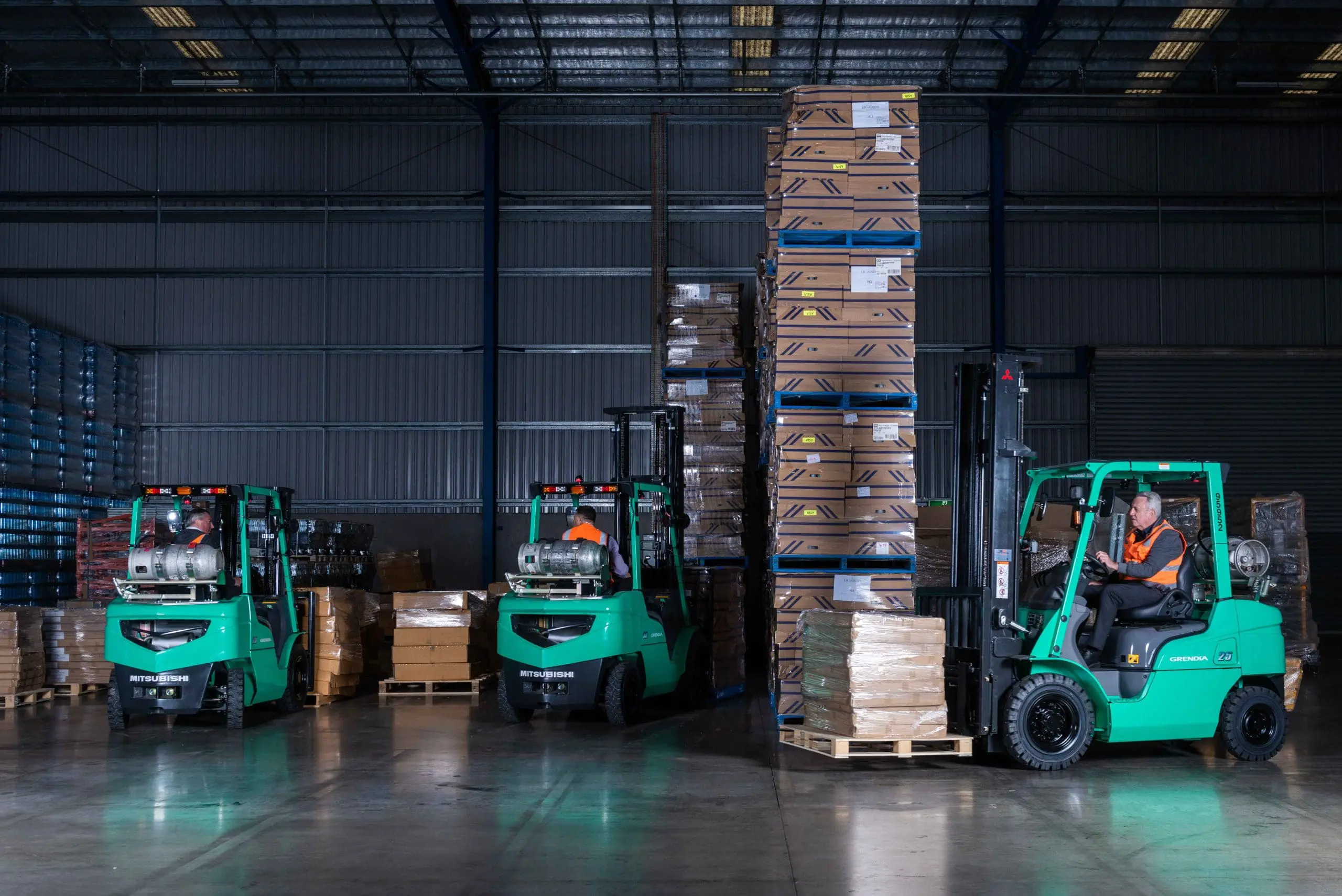
A business does not always use a forklift for one narrowly defined purpose.
Produce may be moving out while cartons or other supplies arrive. Workshop stock can need handling on the same day that a piece of equipment is delivered. On a rural property, building products might arrive during a period when machinery also needs repositioning.
The same hired forklift may be suitable across those movements when the loads remain within its capabilities. The important point is recognising which job places the greatest demand on the machine.
At a packing operation, that could be the heaviest completed dispatch unit. At a workshop, machinery may be more demanding than routine pallets. On a property project, the largest incoming item may determine whether the forklift selected for the earlier material deliveries still fits the later work.
If several known movements are scheduled close together, rental can cover that practical workload without creating a separate booking for every lift. Any new load that changes the original requirement materially should be checked before it joins the work.
Repeated packing can make the dispatch process feel predictable. Final load details still matter.
Suppose a pallet normally leaves with a familiar number of cartons. A different order requires another layer, a different package format or a heavier product mix. The pallet occupies the same packing area and may even use the same carrier, but the forklift now receives a different completed unit.
The same logic applies outside horticulture. A property customer may originally arrange hire around palletised building materials, then add machinery later. A workshop could begin with packaged stock and receive a heavier component before the hire ends.
The original equipment choice should stay connected to the work it was based on. A material change in the load gives the customer a clear reason to check the later movement separately.
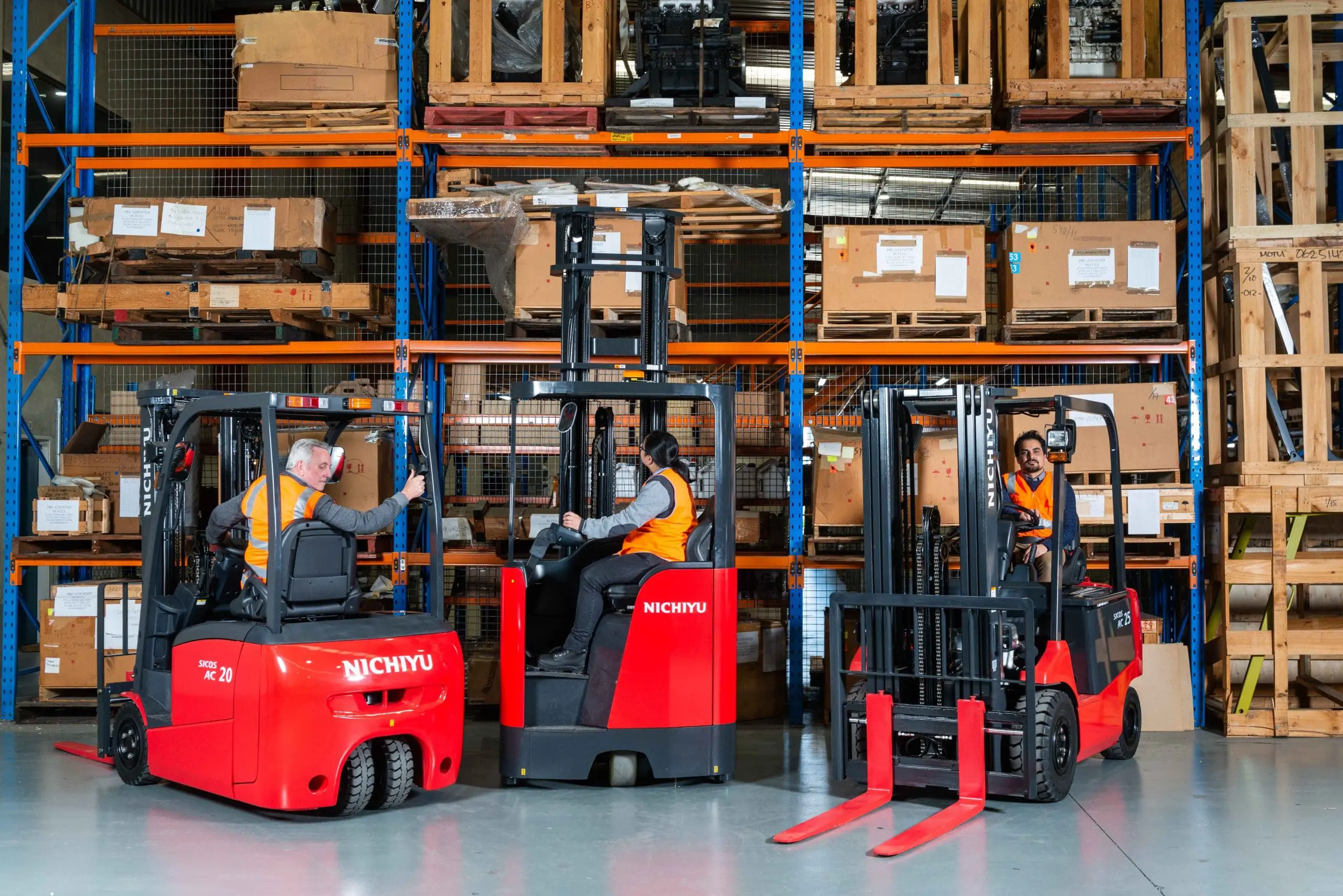
For a completed produce pallet, the goods should be secured in their final dispatch configuration before the forklift movement begins. Any wrapping, strapping or other restraint used for the finished unit should be in place, and the carrier beneath the load should remain suitable for fork handling.
Incoming machinery may require a different preparation. Supplier handling information, a transport skid or designated fork pockets can establish how the load should be supported. Building products already palletised for delivery may need very little preparation beyond confirming the unit is intact and ready to move.
Operator familiarity with the hired forklift should be established before loaded work begins. Where packing, dispatch or workshop activity continues nearby, the immediate lifting movement should also have enough separation from people and other vehicles.
This preparation stays proportional to the customer. A rural property receiving one ready-to-handle pallet has a very different workload from a packing operation dispatching finished produce units throughout the day.
Compare the completed unit with the load the hire was planned around. A small variation may remain comfortably within the forklift’s capability. A substantial increase in gross mass, dimensions or another handling requirement deserves attention before the pallet is lifted.
If the final dispatch pallet finishes heavier or materially different from the expected configuration, hold that movement until the forklift has been checked against the completed unit.