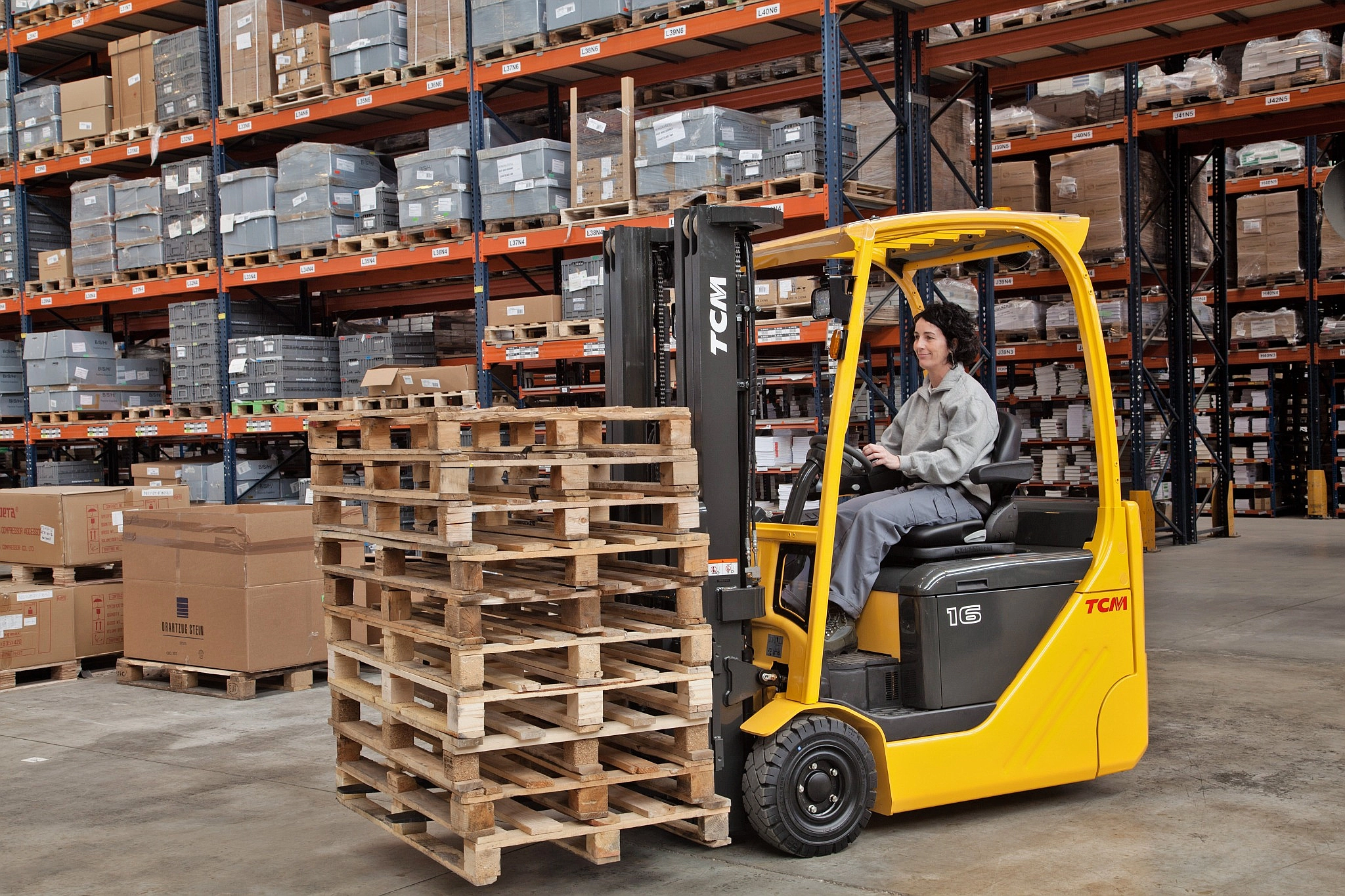
Picton customers have a practical local advantage when forklift work comes up. MLA Complete Forklift Solutions operates its Bunbury branch from Coleman Turn in Picton East, placing hire, rental and forklift support within the same industrial area used by workshops, transport operators and other local businesses.
That does not make every Picton enquiry an industrial fleet job. A contractor may need equipment for a project delivery. A workshop could have machinery to unload or reposition. A property customer may be dealing with building materials or equipment that has arrived ready for forklift handling. Hire can be arranged around those individual requirements as well as more regular commercial work.
The important outcome is having a forklift that can complete the movement safely and practically. For familiar pallet work, the equipment brief may be relatively concise. Machinery, awkward loads or work requiring greater lift height can introduce different requirements.
Some customers know exactly why the forklift is needed. A machine is arriving on Thursday. Materials have to come off a delivery vehicle before a project continues. Workshop stock needs rearranging while floor space is being changed.
That defined requirement can form the centre of the hire without building an oversized specification around everything else that might happen on site.
Where several similar loads are involved, one suitable forklift may cover the wider workload. A change in the physical load deserves more attention. Machinery on a transport base, for example, may have a different support arrangement from the pallets handled earlier in the day.
Customers comparing available rental equipment can review MLA’s forklift rental and hire range. The relevant machine still depends on the work at the Picton site, including the load and the movement expected from the forklift.
For customers working in compact workshops or busy yards, manoeuvring space may matter more than it would on an open handling area. Another job may be driven mainly by capacity. The hire discussion should prioritise whichever feature genuinely changes the work.

Picton’s MLA branch also gives local customers a useful distinction between arranging hire and deciding whether an existing machine should continue working.
An electric forklift may already cover regular warehouse or workshop duties comfortably. During the pre-use check, however, damaged battery cables or connectors are signs that the truck’s condition needs attention before the next loaded movement.
Frayed insulation, exposed wiring or deterioration at a connector should be treated as an equipment condition issue. Continuing to use the forklift because it still powers up is a poor basis for deciding that it is ready for work.
Battery cables and connectors carry the electrical connection required by the truck. Damage at that interface can require the forklift to be taken out of service and assessed before use resumes.
This is where hire and service become two separate customer decisions.
If another suitable forklift is required for the planned lifting work, hire can be discussed around that load and task. The damaged electric forklift belongs with MLA’s forklift service and repair in Bunbury, where the fault can be assessed and the appropriate repair or replacement component identified.
The customer does not need to guess which cable, connector or electrical component has failed. Visible deterioration is enough reason to stop normal operation and have the machine checked.
Visible fraying, exposed wiring or other significant cable deterioration should be addressed before the truck returns to work. The condition needs proper assessment, even if the forklift still starts and moves.
Many Picton customers will have no electric-forklift issue at all.
A business may be adding handling capacity because a new type of delivery is arriving. A tradesperson could need a forklift for equipment installation. A local property project might involve palletised materials or machinery that requires mechanical unloading.
Those enquiries should stay centred on the new work.
For palletised goods, the carrier and load should be stable for fork handling. Machinery may have supplier information showing its gross mass and intended fork-entry arrangement. If the item needs to be raised substantially above ground level, the required lift becomes part of the equipment discussion.
The operator should also be familiar with the hired forklift before loaded work begins. Picton workshops and industrial yards can remain active around the lift, so the immediate work area should give the machine enough room to complete the movement without unnecessary interaction with people or vehicles.
There is no benefit in adding electric-forklift service considerations to a customer whose only requirement is unloading a ready-to-handle pallet. Each part of MLA’s support should appear because the actual situation calls for it.


The hiring process can stay easy to follow once the lifting work is understood:
A future MLA location page may need a different process because the customer’s decision is different. In Picton, the important distinction is keeping the hire requirement separate from any service issue discovered on an existing forklift.
A workshop may have a delivery that still needs moving even though its usual electric forklift has been taken out of service. Another customer may only need rental equipment and have no owned machine involved. A third may be planning regular forklift work and want to compare equipment before the next workload begins.
Picton’s proximity to MLA’s Bunbury operation gives those customers access to hire, servicing and parts support from Coleman Turn in Picton East, while the actual service used should follow the customer’s situation.
If an existing electric forklift shows damaged cables or connectors, keep that machine out of the planned lift until its condition has been assessed. The incoming load can then be handled through the hire arrangement selected for that work.