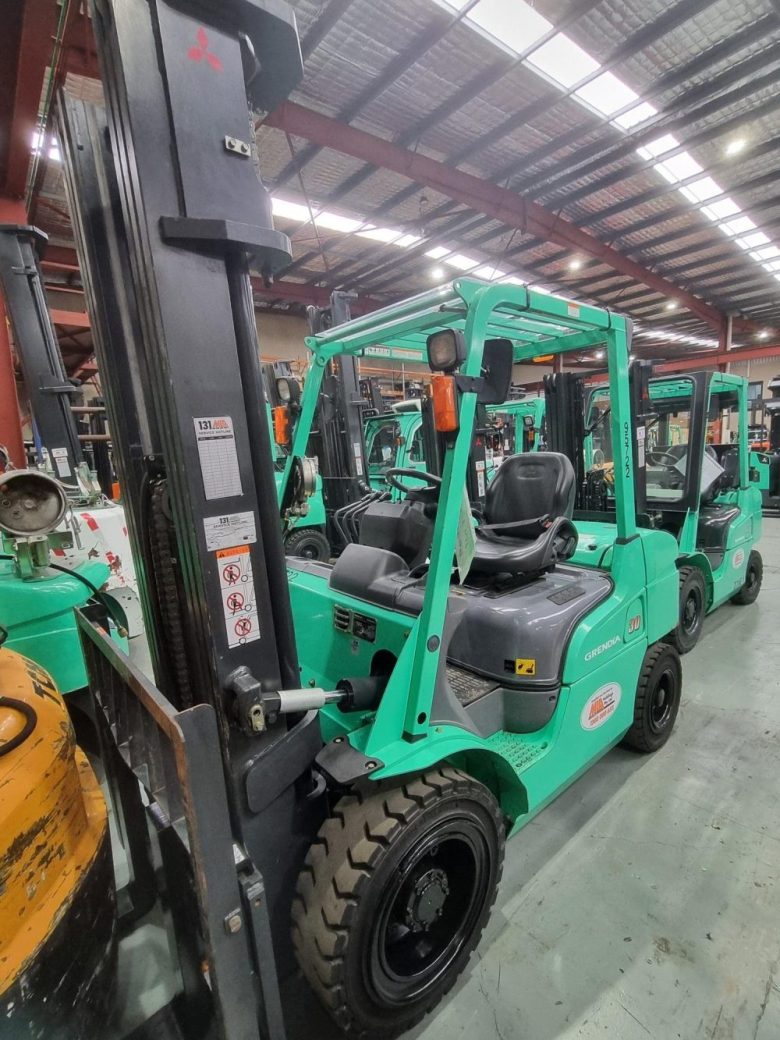
More stock has arrived, collections are more frequent, and the forklift now spends much of the day shuttling between jobs that used to be done separately. Receiving waits while it finishes put-away. Warehouse staff wait while it loads a customer. Maintenance gets postponed because nobody can spare the machine.
Hiring another forklift can relieve that pressure without forcing an immediate permanent fleet decision. MLA Complete Forklift Solutions can help identify which movement is slowing the operation, which equipment may suit it, and whether temporary rental, continuing hire, or a different machine allocation provides the better response.
Pimpama has grown into a busy northern Gold Coast centre with large community facilities, retail activity and expanding local services. Some customers are dealing with that larger operating workload. Others simply need one pallet unloaded, machinery placed at a property or lifting support for a contractor project. Both can use MLA’s forklift hire and rental service.
Growth rarely arrives as one obvious event.
An operation may add another product range, extend its storage area or start dispatching more orders without changing the forklift plan. Each addition looks manageable until several people need the machine at once.
Consider a normal morning:
The operator may stay busy all day while the wider site still loses time.
That is the point to look beyond how many hours the forklift runs. Which team is waiting? Which loads are being moved twice? Which delivery or collection repeatedly interrupts the rest of the work?
Those answers show where hired equipment can make a useful difference.
Another forklift does not have to perform every task onsite.
Rental may be assigned to incoming deliveries so the regular machine remains available for storage and dispatch. In another Pimpama operation, temporary equipment could handle prepared customer orders while the owned forklift stays inside the warehouse.
Separating one recurring task provides a clearer test than adding a machine and allowing both forklifts to move between every job.
MLA can compare the pressure point with the loads, lift heights and operating area involved. Current equipment can then be considered through the Gold Coast forklift hire service.
During the rental, pay attention to what changes:
The results help show whether the extra demand was temporary, whether a second forklift remains useful or whether the original equipment allocation needs to change.
Forklift hire in Pimpama is also available to customers with much smaller requirements.
A resident may be receiving palletised renovation materials. A tradesperson could need a generator removed from a truck. A local facility may have one packaged item to reposition, while a contractor might need lifting capacity during a short installation.
MLA can help arrange equipment around that specific movement. The enquiry can remain focused on the load, vehicle and placement area without requiring regular stock movements or an existing forklift.
For a straightforward job, the useful process is simple: establish what is being lifted, confirm where powered handling can occur and have the set-down position ready. Once the item is placed, the hire has completed its purpose.
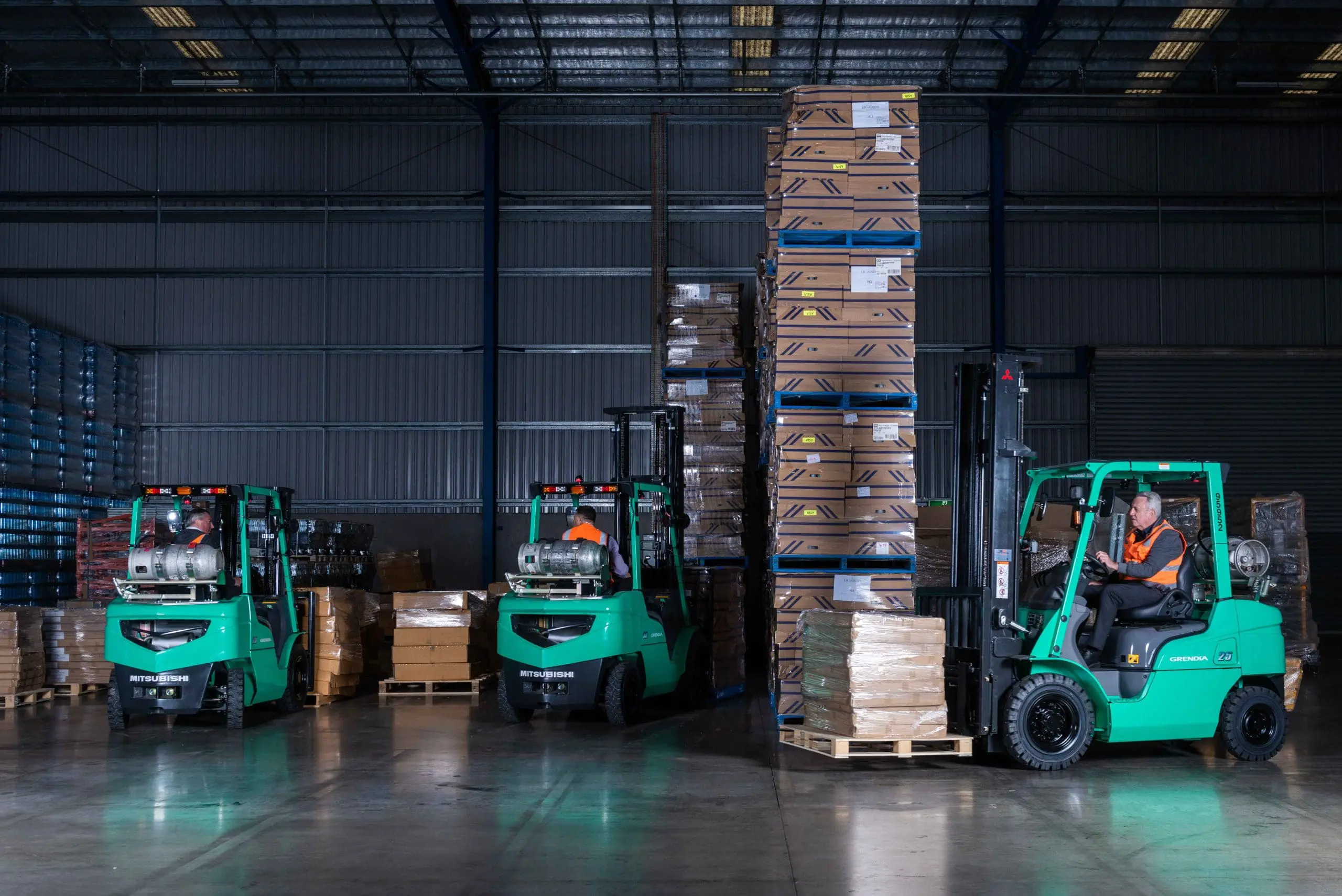
A forklift that once completed occasional pallet movements may now be operating for longer periods, travelling further or changing direction more frequently.
The old service routine may no longer reflect how the machine is being used.
Repeated warning signs, unusual steering response, hydraulic concerns or damaged forks should not be accepted as the normal cost of a busier operation. They need to be reported and assessed before the machine becomes the point at which receiving, production, or dispatch stops.
MLA’s Gold Coast forklift service and repair team can assist with planned maintenance, inspections, breakdowns and repairs. Where an assessment identifies a component requirement, forklift parts support provides the next route.
Temporary rental may protect essential work while the regular forklift is unavailable. The replacement should cover the task that cannot wait, rather than automatically duplicating every capability of the owned machine.
Traffic arrangements that worked when the forklift moved occasionally may become less effective once it travels more often or a second machine enters the operation.
A previously quiet crossing point can become part of the regular route. Staff may begin staging goods in an area that previously remained clear. Drivers and visitors may encounter forklift movement more frequently than site signs or procedures suggest.
Adding rental capacity should not mean two machines competing for the same aisle, doorway or loading position. Give each forklift a defined job and make sure operators understand where those responsibilities meet.
Businesses reviewing vehicle separation, visibility, warning systems or broader site controls can discuss MLA’s forklift safety support. Safety changes should reflect how the operation works now, not the smaller workload it had previously.


The best starting point is not the size of the business. It is the job that now waits, the movement that repeats or the equipment problem that keeps returning.
Call MLA Complete Forklift Solutions on 1300 166 660 or use the Contact Us page to discuss Pimpama forklift hire, rental, servicing, parts or safety support. MLA can help connect the current workload with a practical next step.
Look at the task creating the delay. Extra capacity may help when several jobs compete for one suitable machine. Different equipment may be more useful when the current forklift lacks the clearance, lift height or handling characteristics required for a growing part of the operation.
Yes. Assigning the rented forklift to a defined task can show whether additional capacity removes waiting and repeat handling. The results provide better information than relying only on the site’s busiest day.
The maintenance approach should reflect the machine, its operating conditions and its actual use. Increased workload, changing environments or recurring issues should be raised with the service team rather than left until a breakdown interrupts work.
Review where the machine now travels, which people and vehicles use the same space and whether loads are being staged along that route. A busier path may require clearer separation or a different allocation of work.