A pallet, machine or piece of equipment is ready for delivery to a Richmond business. The truck can reach the address, but there is no conventional warehouse apron waiting beside the building.
The available entrance may be located behind a roller door, within a narrow driveway, or through a converted industrial building whose original loading arrangement no longer matches how the premises are used.
The load still has to be moved from the vehicle to its final position without turning the footpath, street, or customer entrance into an improvised forklift area.
Within Richmond, employment areas such as Cremorne and Church Street South combine offices, creative businesses, medical activity, small-scale manufacturing and older industrial building stock. That mix can place commercial handling work close to pedestrians, neighbouring businesses and occupied buildings.
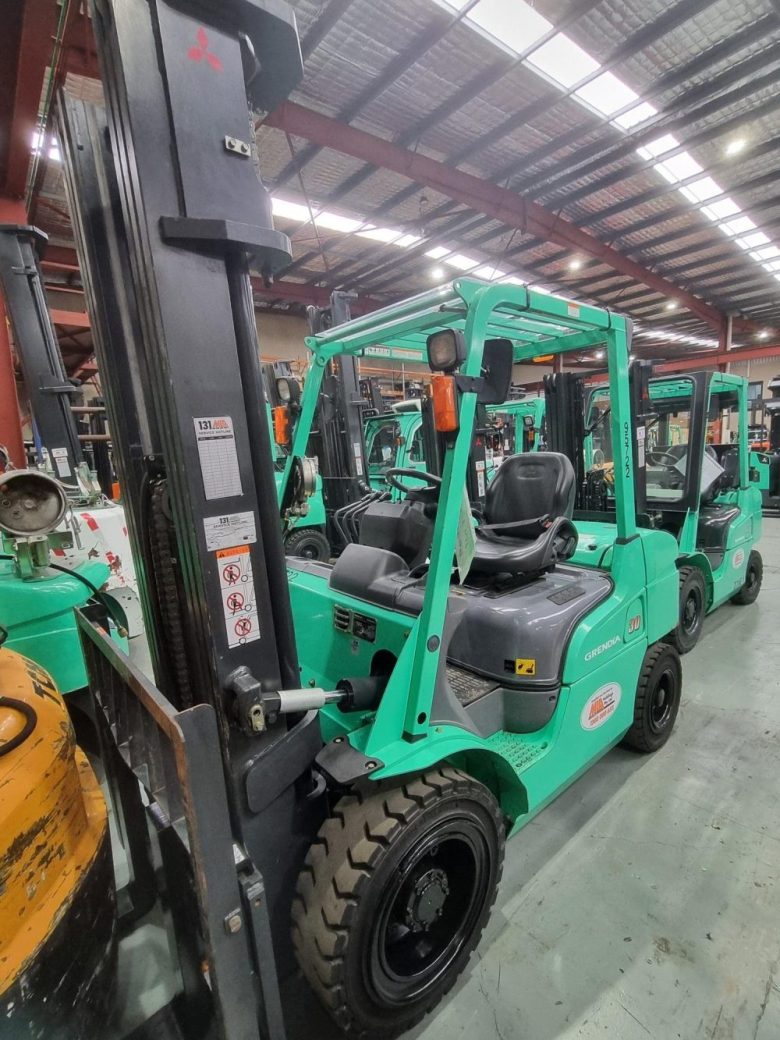
For forklift hire and rent in Richmond, MLA Complete Forklift Solutions can discuss the load, private transfer point, building entrance and internal route before the rental is selected. Support may cover one delivery, machinery placement, fitout work, stock movement, temporary capacity or a longer handling requirement.
The street address tells the driver where the property is. It does not explain how the load will enter the building.
The useful questions begin at the point where the truck stops:
These answers shape the equipment discussion. A machine may have enough lifting capacity but be too large for the entrance, turning area or internal route. A building opening may appear suitable until the mast, overhead guard, pallet or attachment is included in the measurement.
Photographs of the approach, doorway and set-down area help show the complete movement. They are more useful than describing the premises only as a warehouse, studio, workshop or office conversion.
The hire should be planned around the entire task, not only the moment the load leaves the truck.
A Richmond delivery may involve bringing a machine through a roller door, carrying fitout materials into a rear work area or positioning equipment inside a building with limited turning room. The final metres can require more planning than the road journey to the site.
The handling brief should connect four points:
The vehicle standing position
The private transfer area
The building entrance
The final placement point
The route between those points should remain available for the full movement. Stored goods, parked vehicles, building materials or customer activity should not be left for the operator to work around after the hire begins.
Where the route crosses an occupied part of the premises, the movement should occur while that area is under control. Pedestrians, staff and visitors should use an alternative route until the load has been placed and the route has returned to normal use.
If part of the movement would occur on a public road, the customer must first check the registration, licensing, council, road authority, and traffic control requirements that apply. A forklift booking does not make public space part of the worksite.
Some Richmond jobs need only one controlled movement. Others continue through several stages.
Short hire may suit:
A project rental may be more practical where trades need repeated handling support or where deliveries arrive across several dates. A longer rental can support a business with recurring stock, production, or storage work once the access route and operating environment are understood.
The hire period should include the work after unloading. Packaging may need to be removed, equipment may require final positioning, or the same load may need to be moved again as the fitout progresses.
MLA’s Melbourne forklift rental service covers short and longer arrangements. The Richmond enquiry should still describe the building and movement so the rental discussion reflects the actual job rather than rental duration alone.


Richmond’s varied building stock can create handling constraints that are not obvious from the load description.
A former factory may have a useful roller door but limited internal turning room. A converted commercial building may retain a rear loading entrance while the main frontage is now used by staff or customers. Another property may have a narrow ground-floor route leading to a larger work area at the rear.
The equipment brief should consider:
This is different from simply asking for the smallest forklift available. The machine still needs the capacity, stability and configuration required for the load.
Where the final position is especially tight, measurements should cover the forklift with the load, not the unloaded machine alone.
Access also matters when an existing forklift needs servicing or parts attention.
A technician may need to reach equipment parked behind a converted building, inside a basement-style loading area or beyond a narrow entrance. The enquiry should identify the machine location, access point and any restriction affecting the work area.
Explain what has changed in the forklift’s operation and which task is affected. Equipment identification, warning information and photographs can support the initial service or parts discussion without being treated as a diagnosis.
If the existing machine cannot complete an important movement, temporary rental may support the confirmed task while inspection, repair or component identification proceeds. The temporary equipment should be selected for the current building route rather than assumed to match the original forklift.


Prepare the load weight and dimensions, preferred date, vehicle position, private transfer point, entrance measurements and final placement area. Add current photographs showing the route from outside the property into the building.
Send the Richmond handling brief through MLA’s contact page or discuss it on 1300 166 660. A clear building route allows the conversation to move quickly from “we need a forklift” to a practical hire, service or parts solution.
Yes. Short hire may support a defined equipment, stock or machinery movement where the load, private work area, building entrance and final position are confirmed.
Identify the private driveway, rear entrance, internal bay or other area that can be controlled. Where no suitable private transfer point exists, public-space and traffic requirements must be resolved before the hire proceeds.
Not necessarily. Overall dimensions matter, but the forklift must still suit the load weight, lift height, turning requirement, surface and operating environment.
Provide the forklift location, usable entrance, doorway dimensions, work-area restrictions, equipment identification and a description of the operating concern.