Training can still be underway on the next field when irrigation components, packaged equipment or renovation materials arrive for the section being upgraded. For a contractor, club, body corporate, retailer, or resident, the practical need is similar: a heavy load must be moved without taking over the entire property.
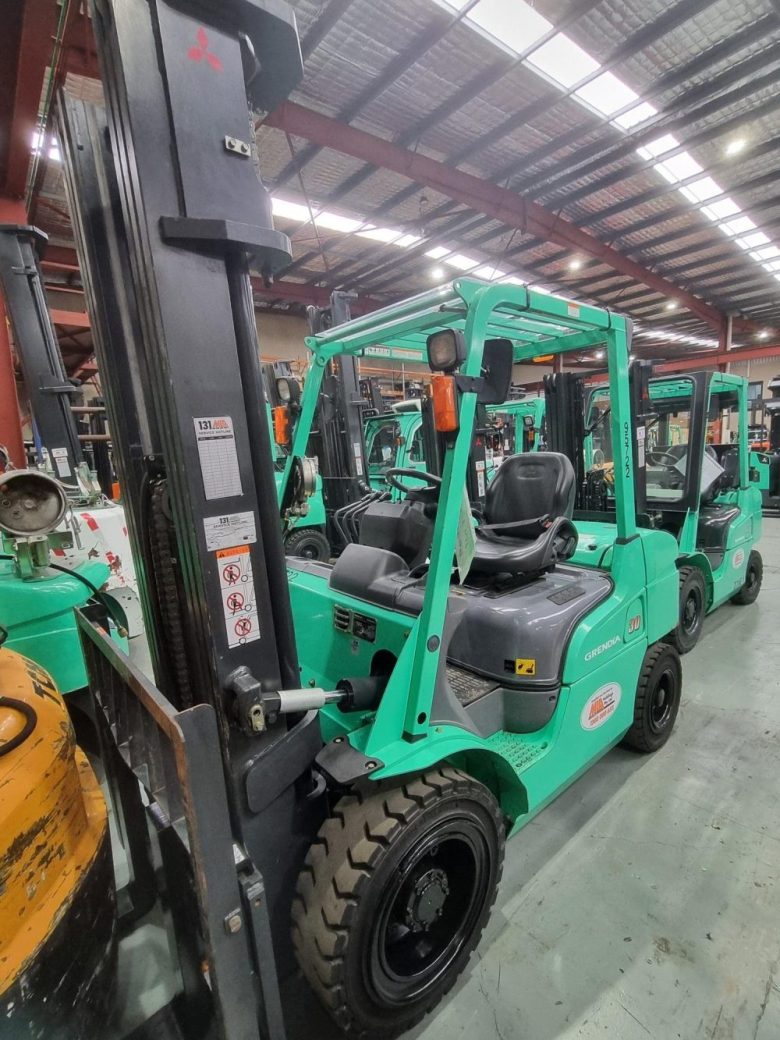
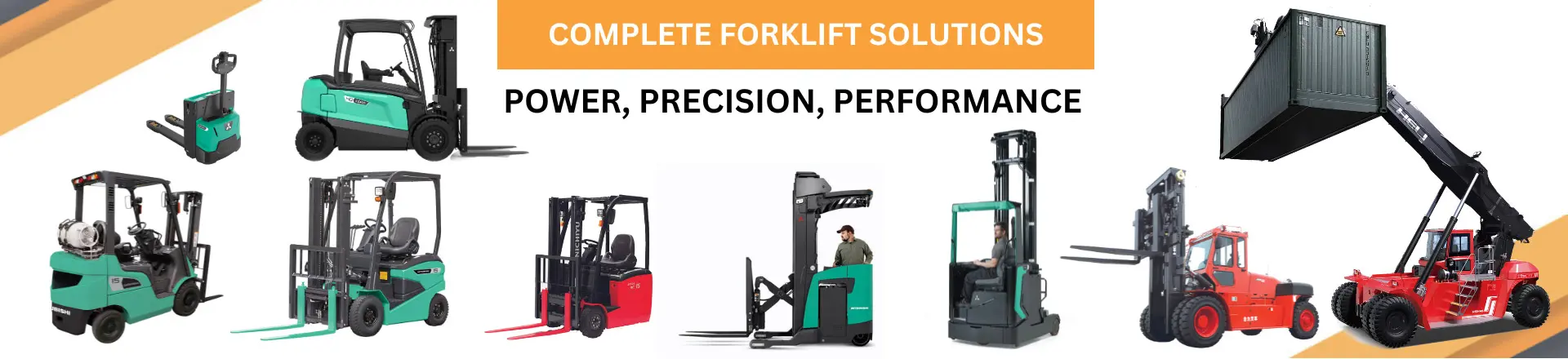
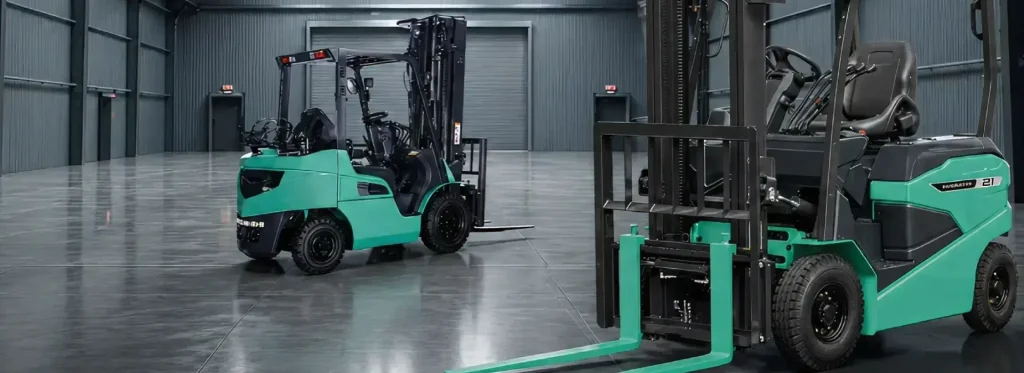
Temporary forklift hire can keep that work contained. The machine unloads within the approved service position, carries the item into the closed project zone and leaves the open facilities available for their normal users. MLA Complete Forklift Solutions can help match the equipment to the load, access and movement rather than treating the whole Runaway Bay site as part of the forklift job.
Runaway Bay Sports Precinct East contains several different sporting areas, including rugby league and soccer fields, athletics, cycling and skating facilities. Maintenance or renovation affecting one section does not automatically stop activity everywhere else. That makes a clearly defined forklift boundary more useful than a broad site shutdown.
The same hire service covers much smaller work nearby. One pallet of renovation materials, a crated machine, retail equipment, or a landscaping delivery can be a complete booking when the load and operating area are suitable for forklift handling.
Contractors should not have to move through every active part of a property to reach the area being repaired.
An agreed receiving position near the project boundary gives the delivery vehicle somewhere to stop and the forklift a direct route into the work zone. Once the load crosses that boundary, the contractor can accept it without involving staff or users from the surrounding facilities.
This is especially useful when the delivery includes:
The receiving point should not become a storage pile. Items needed immediately can move closer to the contractor’s work. Materials for a later stage should sit somewhere that does not narrow the forklift route or block access required by another trade.
One organised movement may be enough to unload the truck, place the materials and reopen the service position for normal use.
Poor placement can make a small maintenance area affect the wider precinct.
Materials left beside an active walkway may force users to detour around them. A transport frame placed across a service road can interfere with grounds staff. Packaging stored near a neighbouring field may push the project beyond the originally set boundary.
The forklift route should begin and end inside the controlled work arrangement wherever practical. That lets the operator concentrate on the lift without people from other sporting areas unexpectedly entering the movement.
A contractor may still need access from a common car park or internal road. In that case, the substantial movement should occur while the approach is controlled, and the movement should finish once the machine reaches the closed area. The forklift does not need to remain part of every later installation task.
Tall packages and long components can reduce visibility when the machine turns towards the project zone. A prepared destination, a clear approach, and secure packaging matter more than closing additional areas at the last moment simply to create space.
Businesses and facilities reviewing broader vehicle separation, visibility or operating controls can also discuss MLA’s forklift safety support.
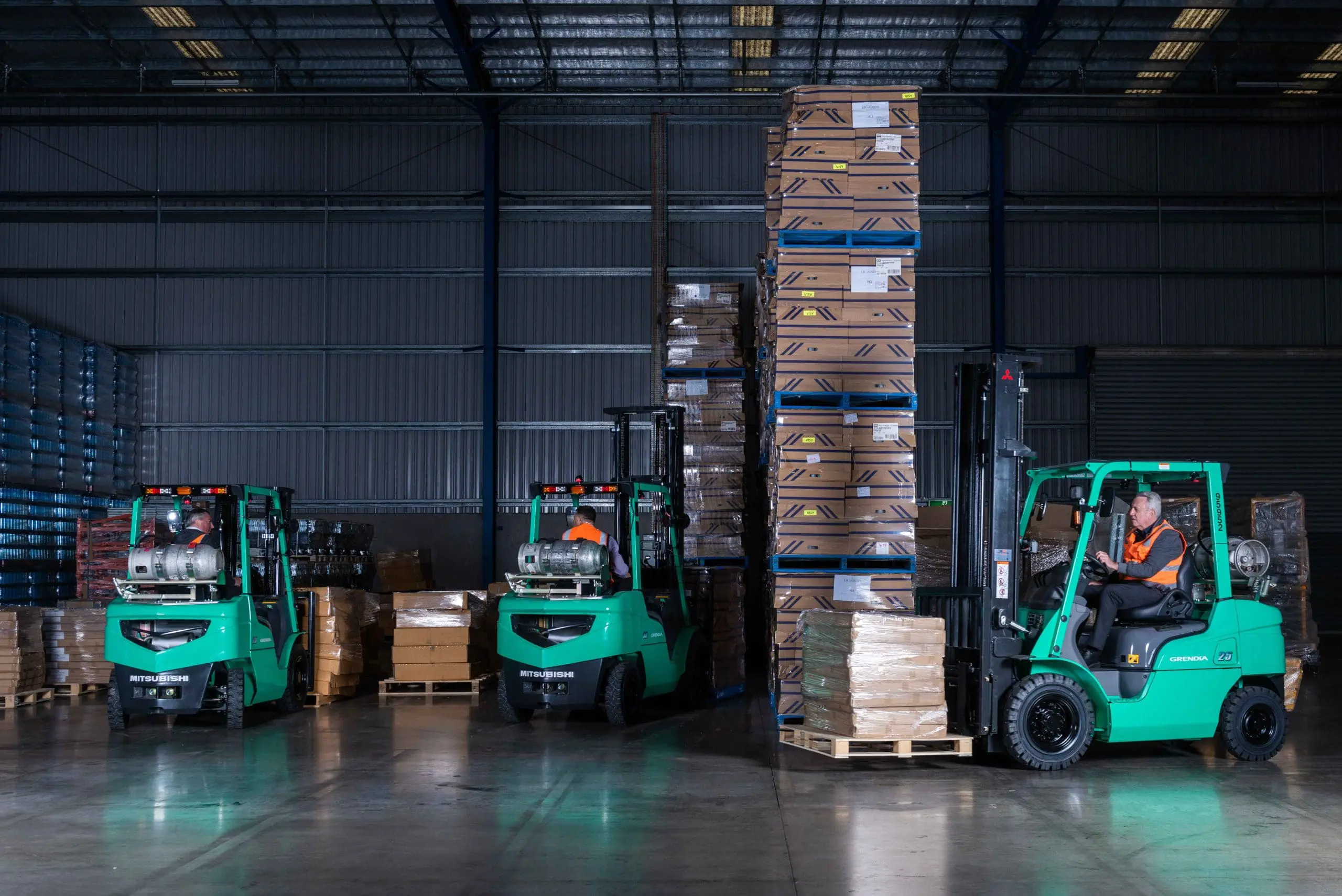
A sporting, retail or community property may already have grounds or maintenance equipment working elsewhere.
Taking that machine away for the upgrade can create another delay. Routine deliveries, storage movements or grounds tasks may continue even though one section is under renovation.
Hiring specifically for the project allows existing equipment to stay with its normal work. The hired forklift can be selected based on the renovation load and the route into the closed zone, rather than on every task performed across the wider facility.
Current rental options can be discussed through MLA’s Gold Coast forklift hire service.
Where an owned forklift is due for servicing or develops a fault, the project booking can be considered alongside the work that still needs to continue. MLA’s Gold Coast service and repair team can address the equipment issue, with confirmed parts needs identified for the machine. Temporary rental can cover essential movement without making maintenance the main reason for the hire.
A field or facility renovation may last for weeks while forklift work occurs on only a few important days.
The machine may be needed when materials arrive, when substantial equipment is moved into position, and when transport frames or project items leave. It may have little useful work to do during installation, testing, or finishing tasks between those stages.
Keeping the hire aligned with the heavy movements avoids paying for equipment that is simply parked inside the closure. Where those stages sit close together, rental can remain available across the connected work. Wider gaps may suit separate planned hire days.
Ordinary Runaway Bay jobs can remain even simpler. A resident receiving pavers or a contractor unloading one machine may only need the forklift until the item reaches its prepared position.
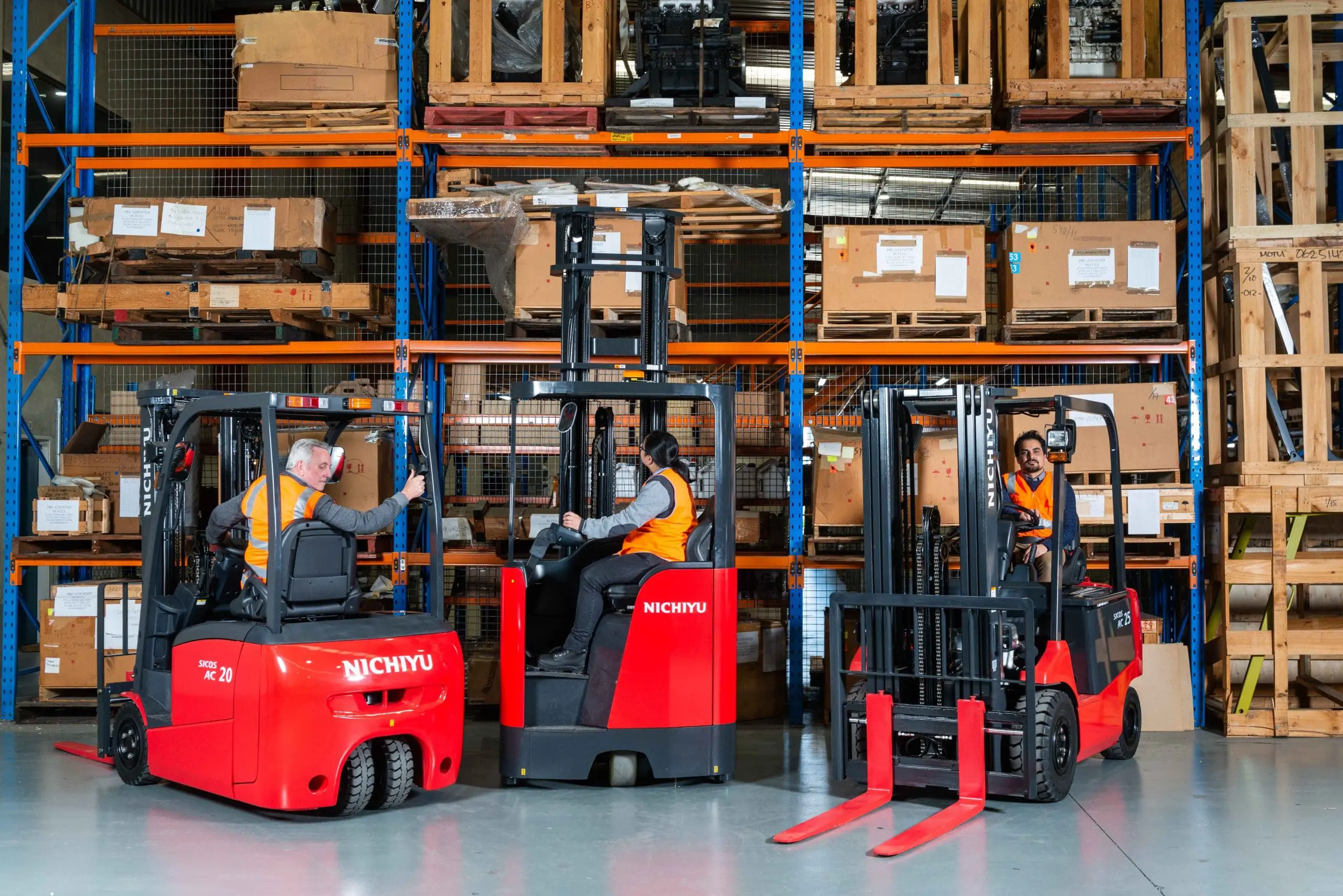
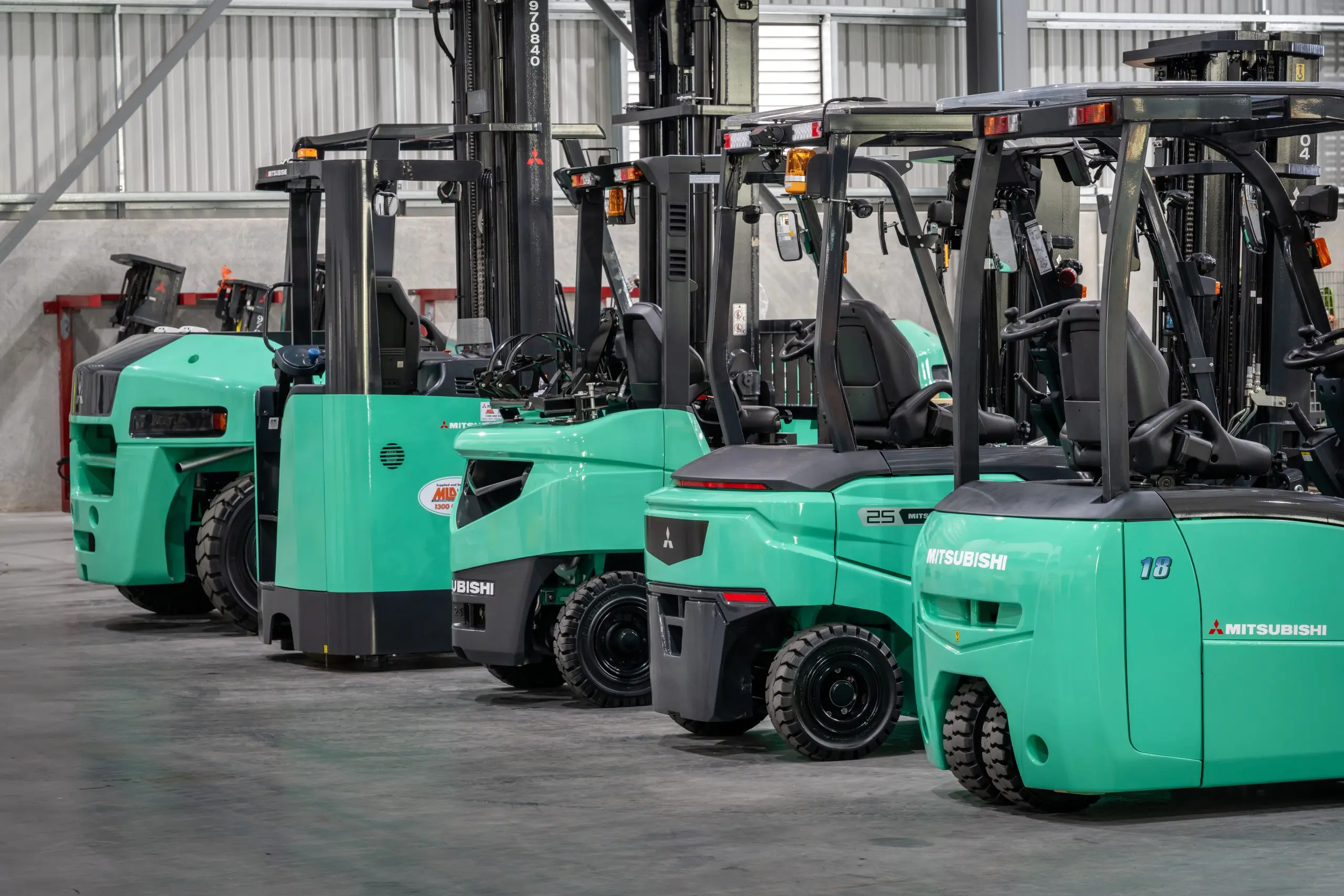
For a facility project, explain which area is closed, where the delivery vehicle can stop and where the contractor needs the load. For a smaller job, the item and planned set-down position may be all that is required.
Call MLA Complete Forklift Solutions on 1300 166 660 or use the Contact Us page to arrange forklift hire or rental around the part of the property that actually needs the machine.
Yes, where the delivery position, route and destination can be contained within the approved project area. Shared access may still need brief control while the vehicle unloads.
Not necessarily. The planned forklift movement can focus on the section undergoing maintenance while adjacent areas continue operating, provided users remain separated from the work route.
Yes. The contractor may explain the load and project requirement, while the property or facility controller confirms where the forklift may operate.
Yes. Suitable work may include palletised building materials, landscaping products, machinery, fixtures, stock, and other substantial loads requiring temporary lifting capacity.