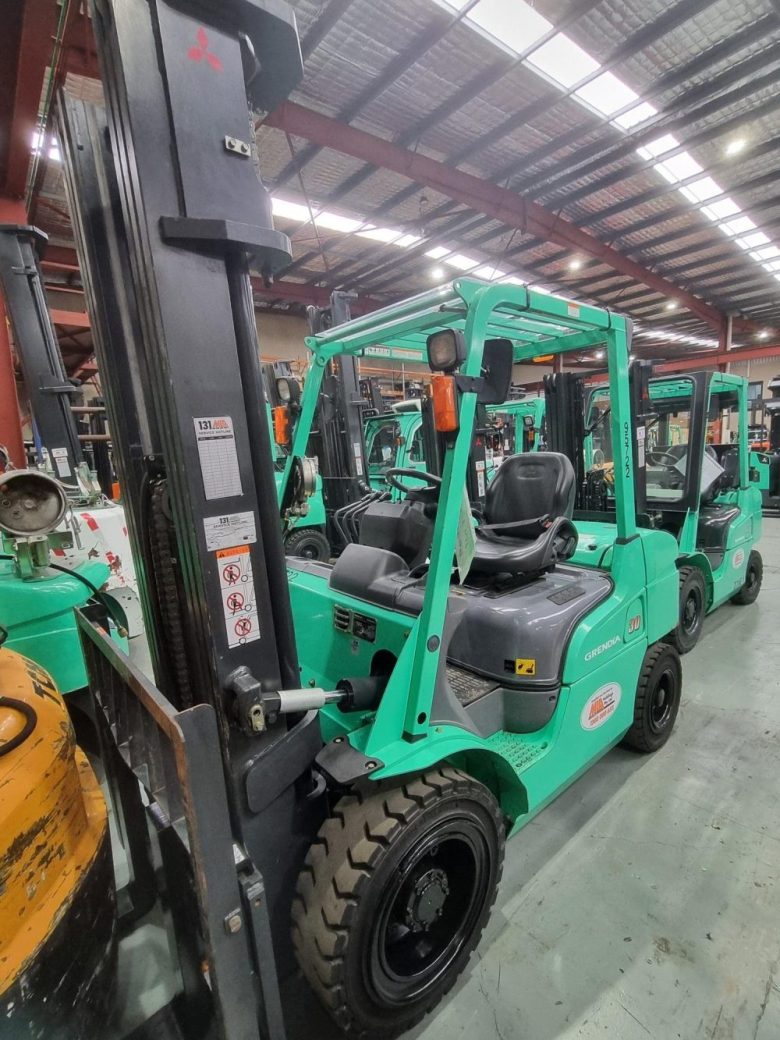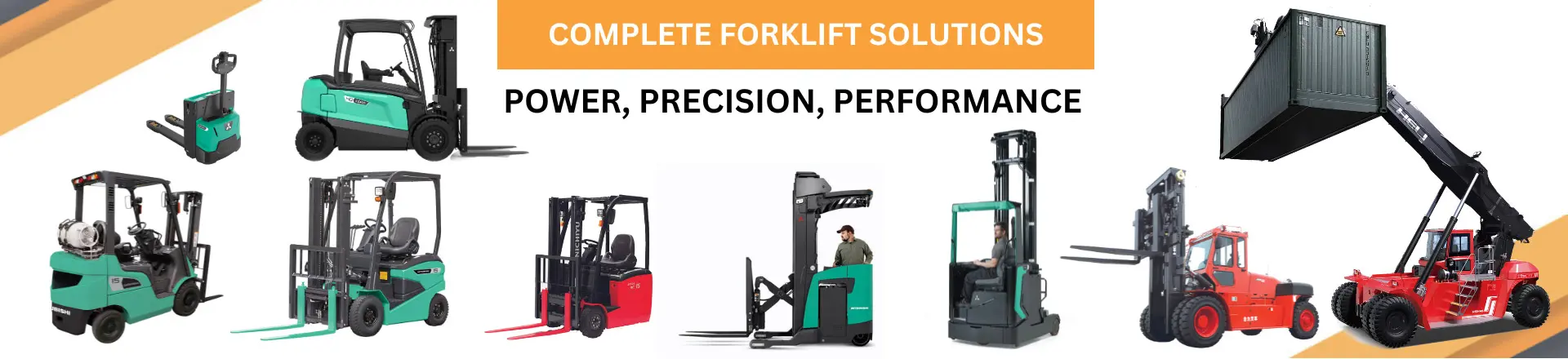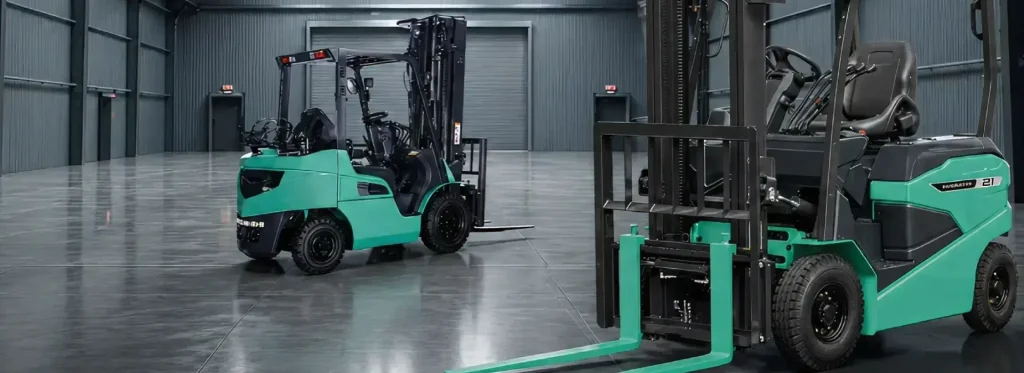
Forklift work in Stapylton can be as simple as unloading one machine or as demanding as supporting a warehouse where trucks keep circulating between gates, docks and loading areas. Businesses, contractors and other customers can arrange hire for pallet movement, machinery, project materials, temporary capacity or continuing industrial work.
On a larger site, the pressure often appears where the forklift route crosses the path used by heavy vehicles. The operator needs to move stock between the warehouse and an external loading position, while a truck driver is trying to continue around the property. When both depend on the same crossing, a single delayed lift can affect far more than just the pallet being carried.
MLA Complete Forklift Solutions can help identify the movement causing the conflict and then arrange equipment for that specific part of the operation. The hired forklift might remain on one side of the truck route, take over a loading face or support internal work so the regular machine crosses the yard less often.
Stapylton’s industrial properties include drive-around layouts, multiple docks, hardstand and access intended for large commercial vehicles. Those features help freight move through the area, but they also make it important to understand where forklift work meets the truck path.
The forklift may only spend a short time on the vehicle route, yet every crossing requires the surrounding movement to respond.
Picture a warehouse team preparing outgoing pallets at one building face while the collection vehicle is positioned elsewhere. The forklift travels across the yard for each load. A truck entering the drive-around route now has to wait, and the next forklift trip begins before the first vehicle has fully cleared.
Another Stapylton site may experience the opposite problem. The forklift stays near the loading docks, but its route back into the warehouse cuts across vehicles moving towards the exit.
Adding rental capacity can help when it eliminates repeated crossings, rather than simply adding another machine to the same congested path.
One forklift might remain with external loading while another completes internal replenishment. Equipment could also be assigned to a separate dock or warehouse door, allowing work to stay on the side where it begins.
The customer does not need to redesign the entire property. The first useful step is to identify which forklift task repeatedly crosses the heavy-vehicle route.
A pallet moved to the wrong side of the yard may have to cross the vehicle path again before anyone can use it.
Incoming stock should move towards receiving, checking or storage. Outgoing goods should remain near the loading face serving their collection. Project materials need a position connected to the contractor or work area that requires them.
Clear allocation reduces unnecessary travel.
For example, placing dispatch pallets near their nominated loading face allows the forklift to complete several movements without returning through the wider truck circuit. Incoming frames can move directly to the warehouse rather than sit on hardstand, which later requires another crossing.
The hired forklift can be selected for that role. External loading may require a counterbalance machine suited to the loads and working area. Internal racking or warehouse movement may point towards different equipment.
MLA’s Gold Coast forklift hire service provides a starting point for comparing the load, lift height and assigned side of the operation.
Not every customer operates a large logistics facility.
A tradesperson may need a generator removed from a truck. A smaller industrial unit could be receiving one machine in a crate. A contractor may require temporary lifting for installation materials, while another customer has a grouped pallet delivery that cannot be handled manually.
These jobs can remain focused on one prepared movement. The truck position, load and set-down area may be all MLA needs to begin discussing suitable equipment.
General hire also applies when the requirement lasts longer. A fitout, machinery relocation, or concentrated stock movement may involve several related tasks. Continuing rental can support recurring work in which the forklift remains productive, but the customer does not need a permanent fleet or a high-volume transport operation to enquire.
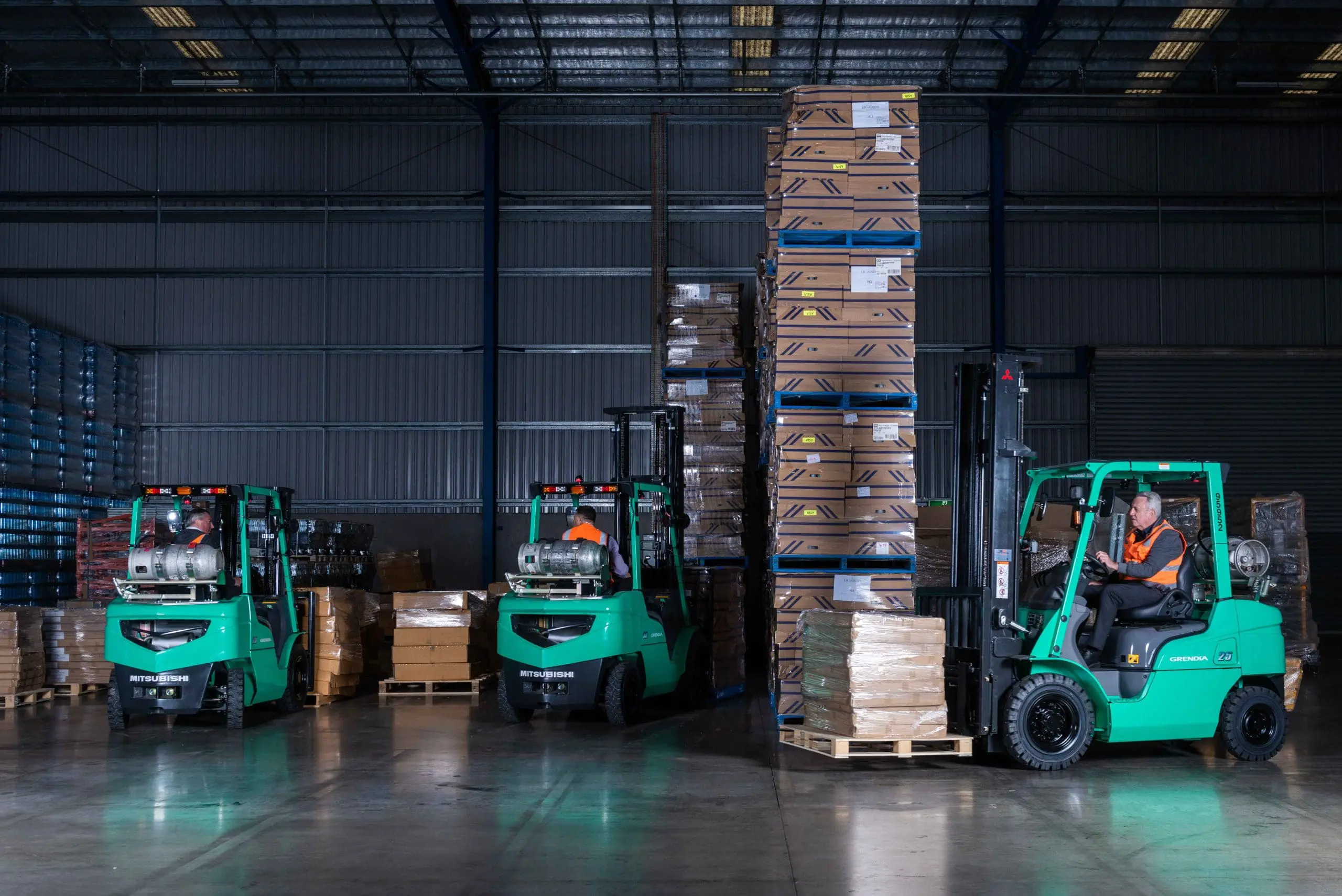
A drive-around layout only works when vehicles can continue following it.
Forklift operators should not be expected to enter the route whenever a pallet is ready without knowing what traffic is approaching. Truck drivers also need a clear indication of where powered material handling may cross or occupy the loading area.
The controls should match the real conflict. A defined forklift crossing, controlled loading face or waiting position may be more useful than broad instructions that do not tell either operator who has priority.
Visibility matters around trailers, containers, stored goods and warehouse corners. A forklift carrying a tall load may be difficult for an approaching driver to see, while the forklift operator may have a restricted view of the truck route.
MLA’s forklift safety support can assist businesses reviewing traffic separation, warning systems or site controls. For a one-off hire, the immediate operating area must remain clear until the load is placed.
Forklifts used across docks, hardstand and warehouse areas can be subject to demanding travel and loading work.
Steering concerns, fork damage, hydraulic issues or warning-device faults can become especially disruptive when the machine regularly works near heavy vehicles. The fault may stop the forklift, but the wider consequence is a loading face or truck route that no longer operates as planned.
MLA’s Gold Coast forklift service and repair team can assist with planned maintenance, inspections, breakdowns and repairs in Stapylton. Confirmed component requirements can be directed through forklift parts support.
Temporary rental may protect the movement assigned to the regular machine while it is unavailable. The replacement should suit the active load, route and loading work rather than being selected only because its capacity appears similar.
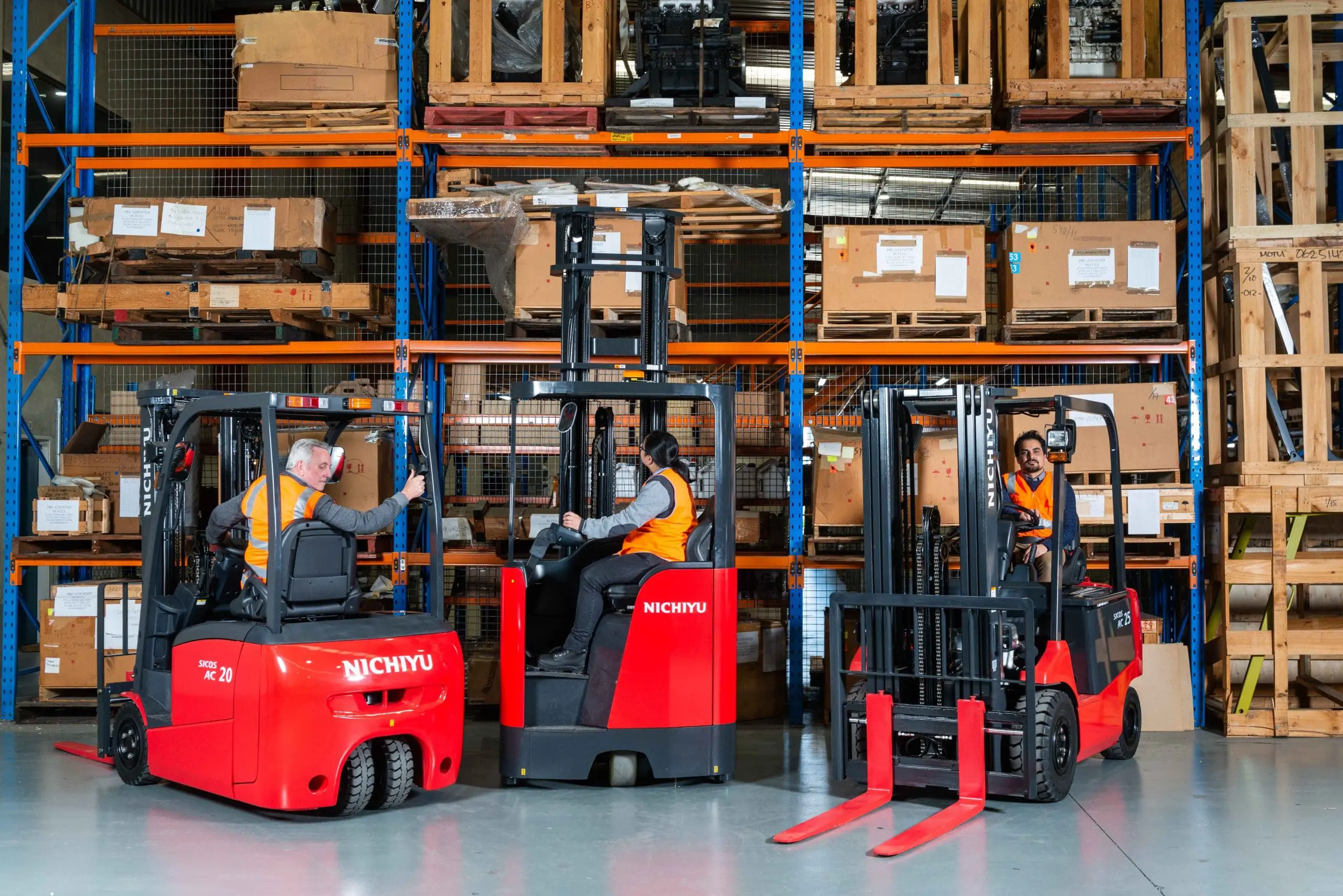
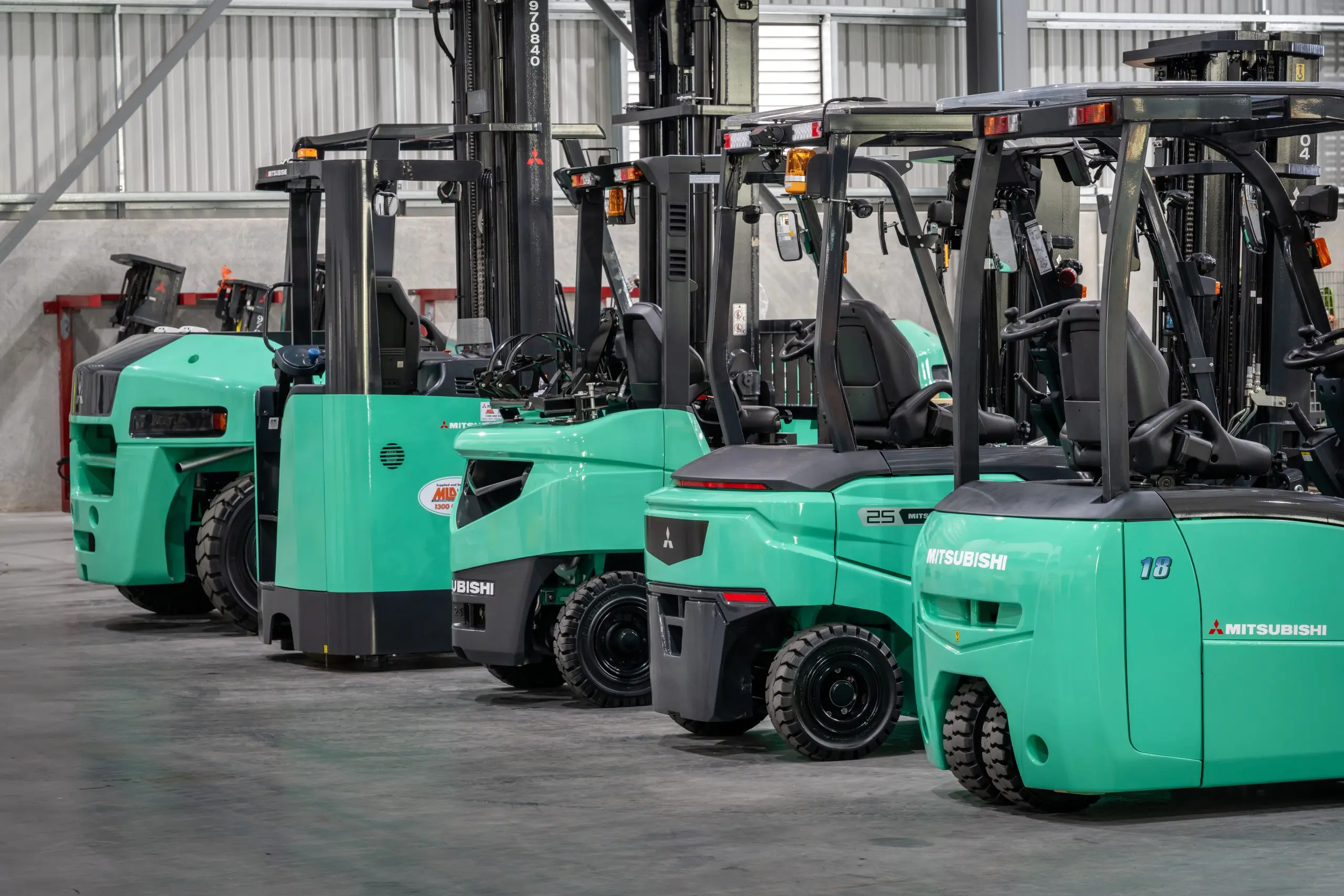
Identify the point where forklift travel interrupts trucks, loading or warehouse work. That single location often reveals whether extra equipment should stay with a dock, remain inside the warehouse, or handle external movement.
Call 1300 166 660 or use MLA’s Contact Us page to discuss Stapylton forklift hire, rental, service, parts or safety support.
Yes. Temporary equipment may be assigned to one loading face, warehouse area or side of the truck route so the regular forklift does not need to cross as often.
Yes. One machinery unload, pallet delivery or contractor movement can be a complete hire job where the load and work area are suitable.
Not necessarily. It should match the task it will take over. External loading, internal racking and machinery movement can require different capabilities.
The forklift role should remain clear even when vehicle activity varies. Assigning it to a defined area or task can reduce the need to react to every arriving truck.
Yes, where an existing forklift issue affects essential work. The service requirement and the temporary machine should both be considered in relation to the movement that must continue.