The fencing crew needs the posts first. The shed frames will not be touched until next week, and the landscaping products belong elsewhere on the property. When the truck opens, however, the easiest pallet to reach is the one needed last.
That is how an otherwise straightforward delivery begins creating extra work. Materials are unloaded wherever space appears, fork access disappears behind later items, and the contractor spends the next morning shifting yesterday’s delivery before the planned job can begin.
Tallebudgera’s semi-rural setting includes rolling acreage and farmland alongside residential properties. Some local customers organise several materials for a property project, while another may only need one pallet placed where it can be used. In either case, the useful question is not simply where the truck can stop. It is which load should leave first and where it needs to remain.
When MLA receives the supplier’s packing information and the first stage of the customer’s project, forklift hire can be organised accordingly. The operator now unloads the required material, preserves access to what comes next, and avoids turning the property into temporary storage arranged by chance.
A supplier may load the vehicle according to warehouse access, weight distribution or the order in which products became available. That loading decision may be entirely appropriate for transport and still be inconvenient for the customer’s project.
Posts positioned behind bulky fence panels may be needed first. Roofing sheets could sit above framing components that the builder wants to check immediately. A pallet of pavers may need to remain intact while drainage products are taken closer to the active work area.
Before dispatch, ask the supplier how the truck will be packed and whether the first required load will remain accessible. A photograph or simple loading description may reveal that the planned sequence needs to change while the vehicle is still at the depot.
Where the packing order cannot be altered, the unloading plan can allow for a temporary placement that keeps the next load reachable. That is more useful than discovering the conflict with the truck already open and contractors waiting nearby.
A Tallebudgera property may offer plenty of open space without offering several good material positions.
The easiest patch of ground may belong to a later stage of the project. Leaving everything beside the shed could block a vehicle or contractor that needs to work there. Materials placed too close together may also prevent the forklift from collecting the second group when it’s due.
Immediate-use items need a position connected to the current work. Later materials need stable storage that preserves packaging, fork entry and access for the next movement.
Consider a delivery containing fencing, landscaping and shed materials. The forklift could place posts and concrete products near the first fence line, leave packaged shed components accessible beside the future work area and set landscaping products where they will not be trapped behind either group.
The machine is not being hired merely to empty the truck. Its value comes from leaving the delivery in an order that makes the property easier to work on afterwards.
A mixed load should not become a search exercise.
When the required pallet is buried, people may be tempted to move loose items by hand, climb onto the vehicle, or ask the operator to repeatedly shift one package while everyone decides what belongs where. That exposes the delivery to damage and places people too close to active forklift work.
The unloading sequence should be settled before the first lift. Only the people responsible for receiving the materials should remain near the vehicle, and they need to know which position corresponds to each load.
Long posts, panels and stacked project materials can behave differently from an ordinary pallet. Packaging and restraints should remain in place until the load reaches the position where it will be stored or used. Nobody should begin unpacking the next group while the forklift is returning to the truck.
MLA’s forklift safety support is available where a customer or contractor needs broader guidance about powered equipment and work-area controls.
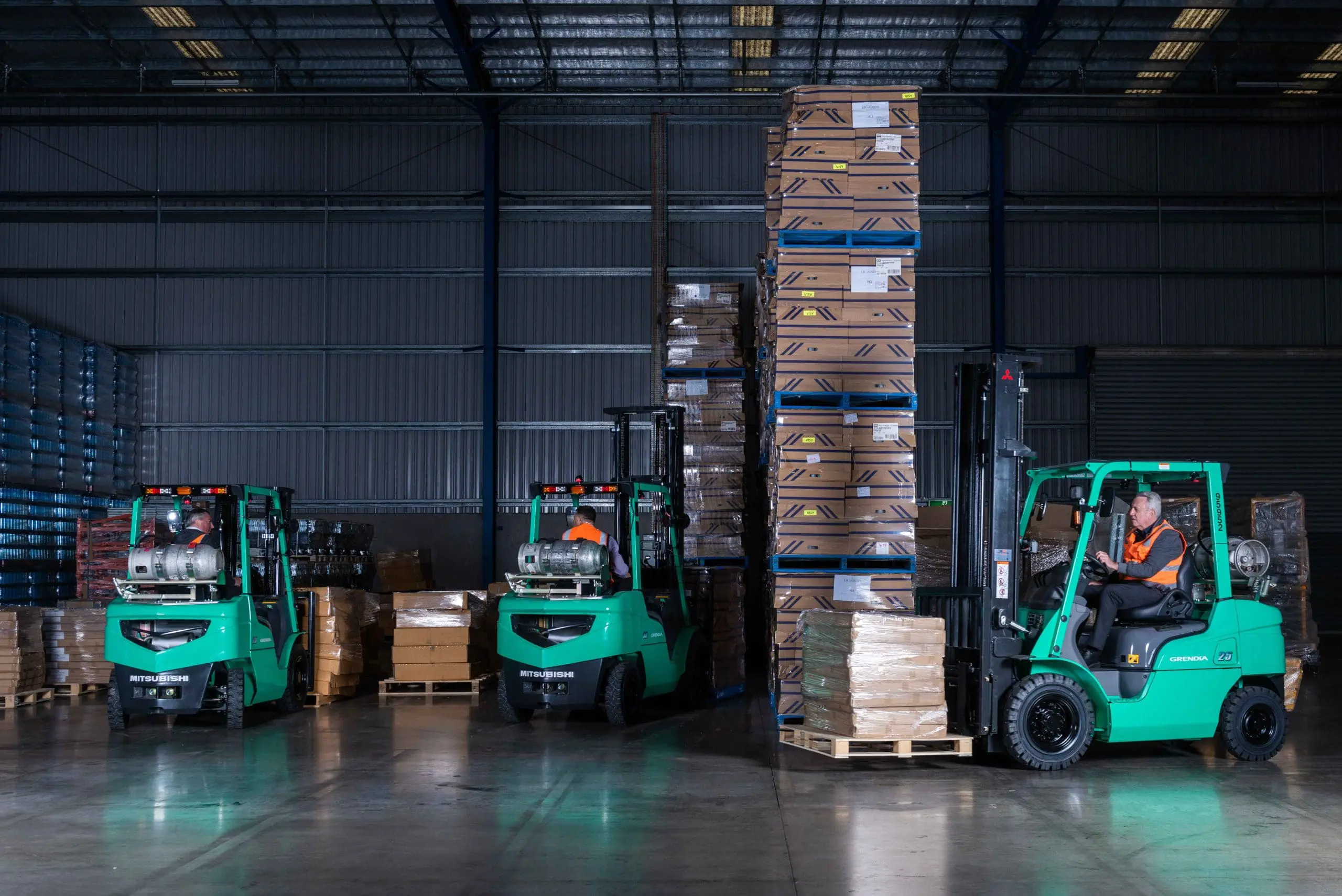
The delivery may contain several lighter pallets and one item that changes the equipment requirement.
A bundled frame, a long pack of materials, or a substantial piece of machinery may require different fork support, capacity, or handling space than the rest of the order. Hiring around the easiest pallet can leave the forklift unable to complete the movement that matters most.
Through MLA’s Gold Coast forklift hire service, the booking can reflect the most demanding planned lift and the positions required across the project. That may involve a single organised unload or rental that remains useful while connected deliveries and material movements continue.
Some properties already have equipment intended to handle part of the order. Where that forklift develops a fault before delivery, the unloading sequence should not be replaced with improvised manual handling. The reported problem can be directed to MLA’s Gold Coast service and repair team, with parts supplied against an identified requirement. Temporary hire can then protect the delivery that still needs to proceed.
Weather, contractor availability or delayed materials can change which stage happens first.
The landscaping team may be postponed while fencing work proceeds. The shed installer could become available earlier than expected. Materials already delivered in one planned order may now need to support a different sequence.
That does not automatically mean every pallet must be moved again. Review which item is newly required, whether the forklift can still reach it and whether its next position will block the work that has been delayed.
Rental may remain useful when these changes create genuine powered movements. Where the materials can stay safely in place until their original stage returns, leaving them alone is often the more practical choice.
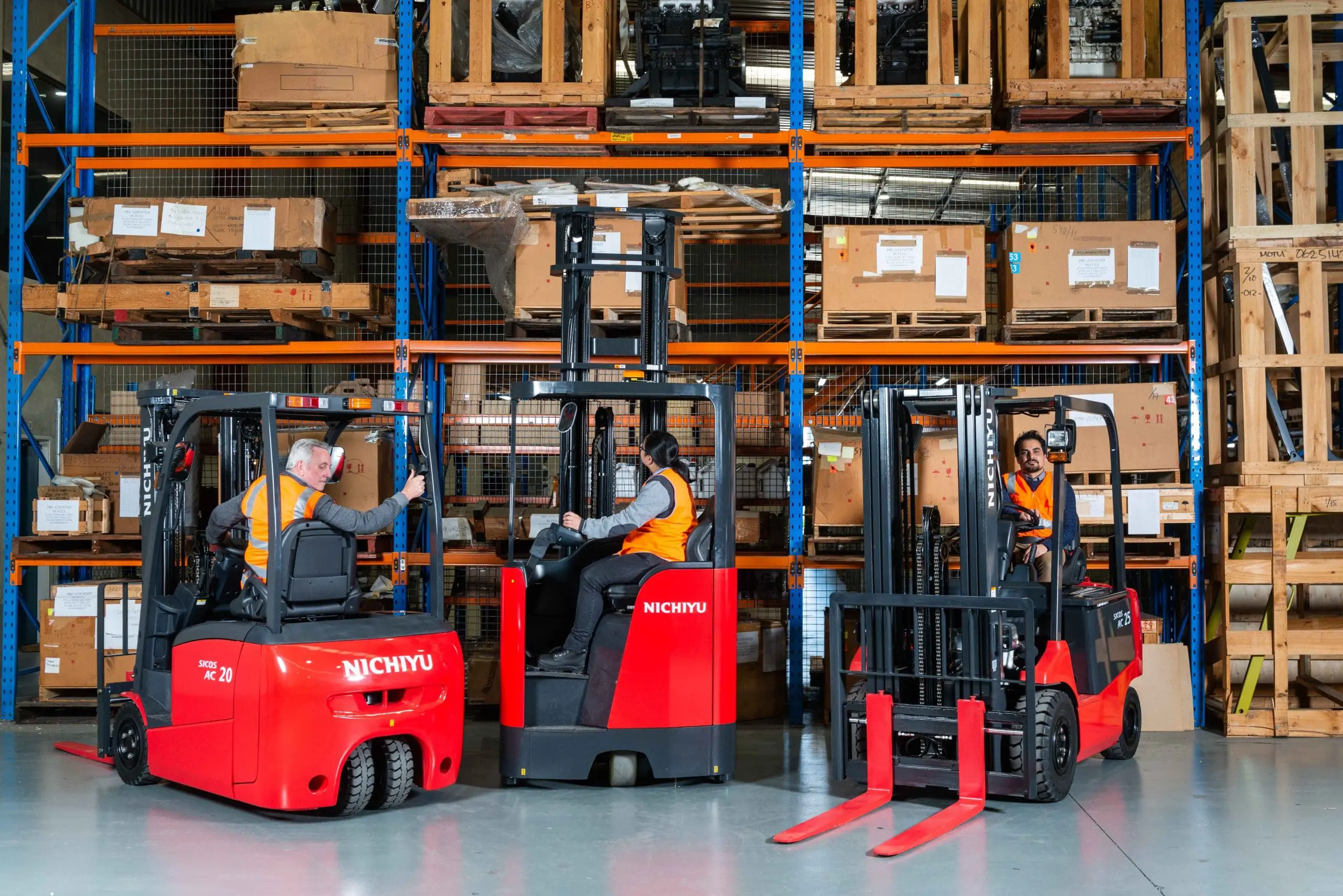
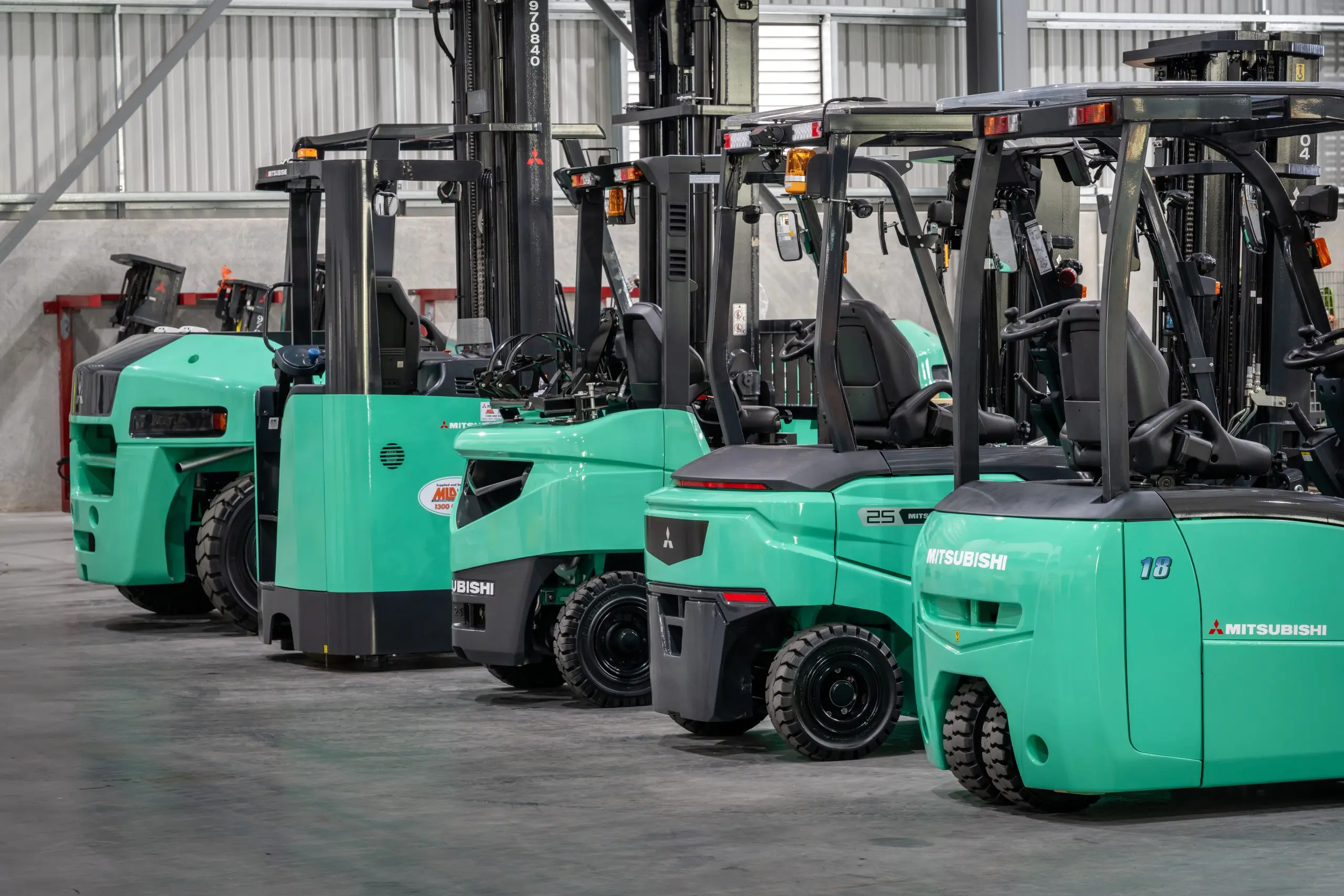
A delivery list records what the supplier is sending. Marking which materials are needed first turns that list into a usable list for the forklift operator.
Send the loading information through MLA’s Contact Us page or call 1300 166 660 before dispatch. The Tallebudgera hire can then place each group where the next part of the project can reach it without undoing the work completed during unloading.
Ask for the best available description or photograph of the packed vehicle. The unloading plan can include a temporary placement that exposes the next required load without scattering materials across the property.
Often, retaining suitable transport support preserves fork entry and keeps grouped products together. Packaging should only be changed when the materials are stable and ready for their next use.
It may, provided the forklift and operating conditions suit the planned movements. The unloading order and separate material positions should be agreed before work begins.
The supplier’s loading arrangement and the first materials the project needs are particularly useful. They show whether the vehicle can be unloaded directly in working order or whether an intermediate movement must be planned.