

Moving equipment around a workshop or industrial property can create a forklift requirement long before permanent material-handling equipment makes sense. Deliveries need unloading, machinery needs repositioning, project materials arrive in batches, and some jobs simply need more lifting capacity for a defined part of the work.
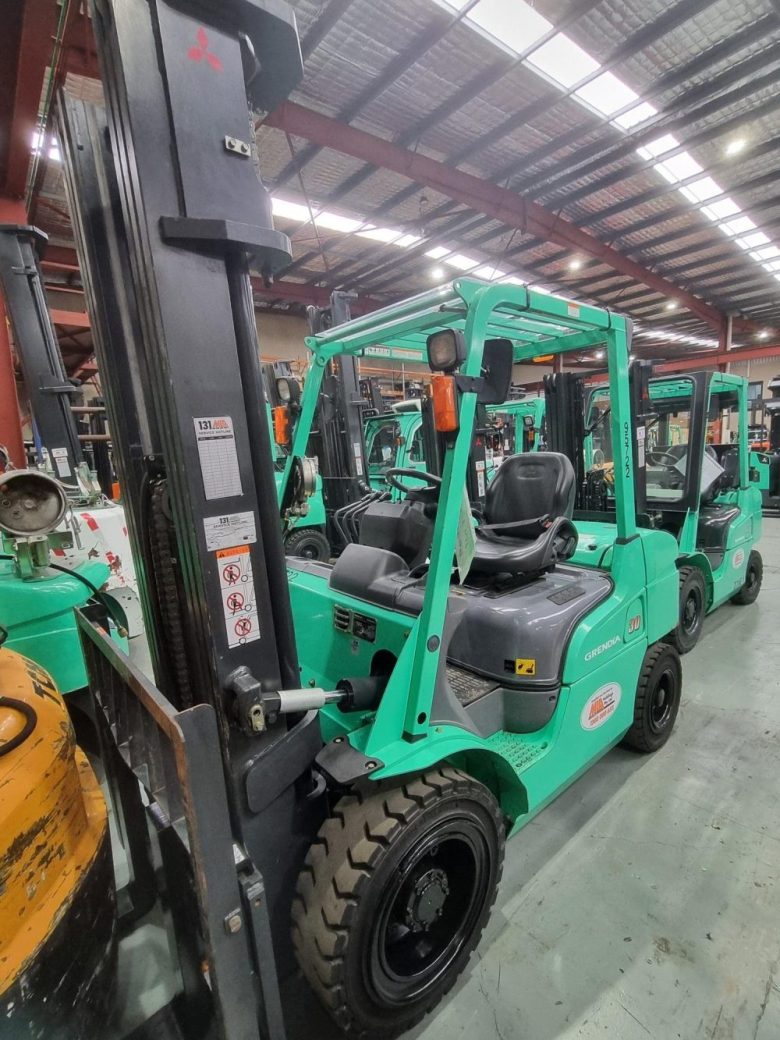
Forklift hire in Taylors Beach can cover those tasks with equipment selected around the load, lift and working area. Palletised goods may only need a conventional unload. Machinery may require more information about its dimensions, support, and placement. Wheeled equipment introduces another question because the item must remain controlled before mechanical handling begins.
The rental should fit the physical job first. How the item arrives, how it will be supported and where the forklift must carry it all help narrow the equipment.
Taylors Beach has a smaller light-industrial area supporting trades, storage and workshop activity around Port Stephens Drive, including premises associated with marine equipment and related commercial work.
That combination creates a locally credible mix of forklift jobs without pointing to one dominant load type.
A trade business may need building products removed from a vehicle. Workshop equipment can need repositioning to clear floor space or make room for another job. Marine-related equipment may arrive on a transport frame, pallet, cradle or wheeled support. Storage businesses can need temporary help receiving bulky stock.
MLA Complete Forklift Solutions provides forklift hire and rental across Newcastle and the Hunter for these kinds of requirements.
The way the item is presented matters because two pieces of equipment with similar weight can reach the site in completely different handling conditions. One may already have a stable forkable base. Another may sit on castors or wheels designed for workshop movement rather than forklift lifting.

Free-rolling equipment can move before the forklift has established secure support.
Castors, tyres or other wheels may make an item easy to push around a workshop, but the same mobility can work against the controlled setup needed before mechanical handling. The item should remain stationary while its lifting or support arrangement is established.
Suitable wheel locks, brakes, chocks or another manufacturer-approved means of immobilising the equipment may form part of that preparation, depending on the item.
Immobilising it answers one question: will the equipment stay where expected while the handling setup is prepared?
The next question is different: how is the forklift intended to support it?
Wheels alone do not create fork entry. The equipment may have designated lifting points, a compatible transport frame, an engineered base or another manufacturer-specified arrangement for mechanical handling.
Where that information exists, it should guide the lift.
Castors can be ideal for rolling equipment through a workshop after it is placed on the floor.
Forklift handling requires a stable interface that can support the item during the lift and travel.
Keeping those functions separate helps prevent workshop features from being mistaken for forklift features. Equipment designed to roll may still need a suitable frame or support arrangement before forks are introduced.
For rental purposes, a clear description of that setup gives MLA far more to work with than the item name alone.
Taylors Beach work can extend beyond clearing something from a delivery vehicle.
Machinery may need to travel through a workshop before reaching its position. Palletised stock could move into storage. Equipment destined for service or installation might need to be placed beside another machine, workbench or prepared support.
Those later movements can affect which forklift works comfortably.
A compact machine can help where internal manoeuvring room is limited, provided it still has the rated performance needed for the load. Heavier or deeper equipment can change the capacity requirement. Outdoor sections of the route may introduce surface considerations absent inside the workshop.
Several details can help with machinery or equipment hire:
Palletised deliveries may need far less information. The amount of detail should reflect what changes the forklift choice.
Customers handling mixed work can also explore MLA’s broader forklift hire options when comparing equipment for warehouse, workshop and industrial jobs.


Preparation is especially important where wheeled equipment can shift while the forklift is being positioned.
Immobilise the item using an appropriate method before setting up the lifting interface. Forks then need to engage the support arrangement intended for the equipment, and the load must be stable before it is raised.
Travel should also reflect the dimensions and behaviour of the item being carried.
A tall piece of workshop equipment can affect visibility. A wide marine component may need more turning room. Machinery mounted on a purpose-built base can have specific fork-entry positions that influence how the forklift approaches it.
The forklift must remain within its rated configuration throughout the movement.
For customers hiring equipment in Taylors Beach, the practical sequence is simple: establish a stable handling unit, identify how it is meant to be supported, then select the forklift around the complete lift and route.
Yes, as long as the item has a suitable lifting or support arrangement and the forklift can safely perform the required movement. Machinery, workshop equipment, palletised goods and other commercial loads can all create hire requirements.
Castors alone do not provide a suitable forklift lifting method. The item should first be immobilised, then handled through its intended lifting points, transport frame, forkable base or another manufacturer-approved support arrangement.
Provide the loaded weight, dimensions and any manufacturer information showing how the equipment should be lifted or supported. Also describe where the item needs to travel and where it will be placed.
No. Conventional forklift equipment may suit machinery with an appropriate forkable support arrangement that falls within the machine’s rated capacity and working space. Specialist equipment becomes relevant when the load or handling method requires it.










