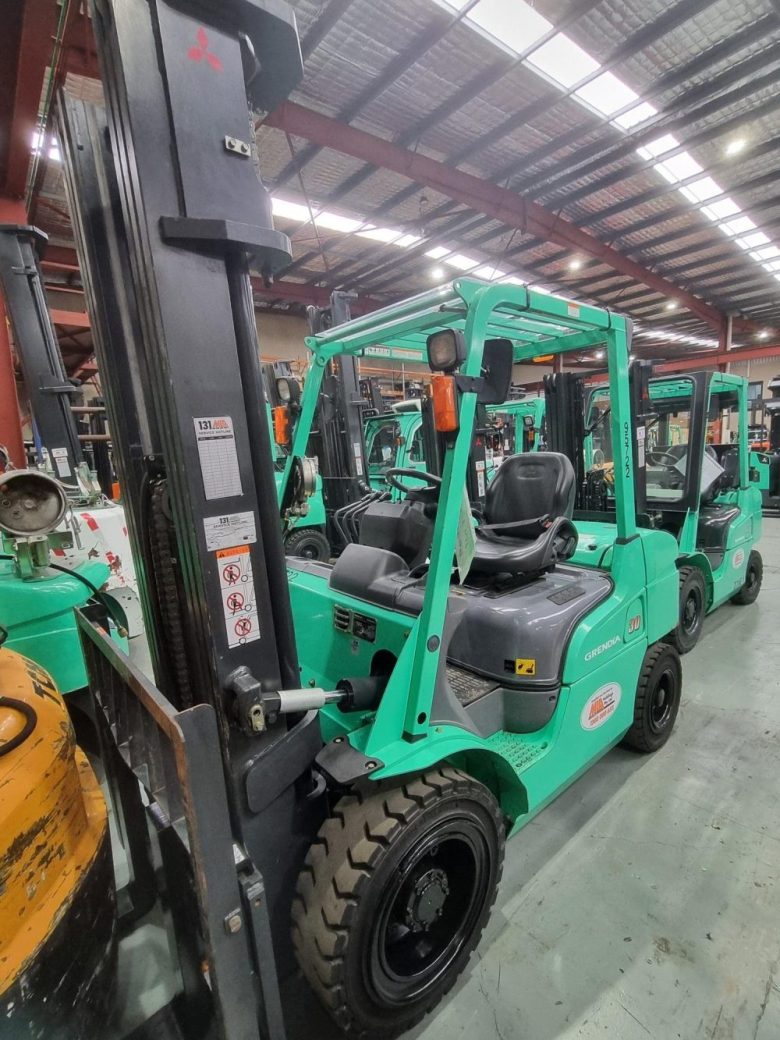
In one Thomastown factory, a pallet or machine has to pass through an older doorway, turn inside a compact work area and lift beneath low overhead services. A few streets away, the identical load may enter a newer warehouse with wider access, taller storage and longer internal travel. The weight has not changed, but the building has changed almost every other part of the hire decision.
That is why MLA Complete Forklift Solutions considers both the load and the premises before discussing equipment. The same approach works for a single pallet unload, machinery placement, a short fitout, a temporary replacement, or a regular warehouse rental. A customer does not need to know the model required. They need to explain where the forklift must enter, turn, lift and finish.
Whittlesea’s Thomastown Industrial Area Plan recognises a mix of traditional industrial uses, older building stock in some opportunity areas and contemporary industrial or office-warehouse development. For customers, the practical consequence is simple: two nearby businesses handling similar goods may need very different machines.
A forklift may be able to lift the load, yet still be awkward or unusable on the premises.
Overall width affects whether the machine can pass through the available opening with practical clearance. Lowered mast height matters before the forklift reaches the lifting position. Turning circle and rear swing become important around columns, stored goods and compact working areas. Overhead structures, lighting, sprinklers and door lintels can limit where the mast and load may travel.
The highest required lift also changes the decision. A machine that enters easily may not provide the usable capacity or clearance needed at storage height. Another that suits the racking may be too large for the route that leads to it.
The useful enquiry therefore joins two questions:
Neither question should be answered based on a street address or a capacity figure alone.
Some established Thomastown premises contain compact doorways, irregular internal layouts, or overhead constraints that have accumulated over time as the business has changed.
The customer may be unloading a standard pallet, moving workshop equipment or placing a machine that only needs to travel a short distance. A smaller counterbalance forklift or suitable warehouse machine may be easier to position, but equipment size cannot be reduced without checking rated capacity, load centre and lift requirement.
Current photographs and measurements can help show:
This is not a request for a detailed site-management plan. It is enough information to prevent the building from becoming an unexpected restriction after the hire has been organised.
More generous access does not automatically make equipment selection simple.
A newer warehouse may allow a larger forklift through the doorway but require repeated internal travel, higher pallet placement or work within narrower storage aisles. The best option may be a counterbalance forklift for loading, a reach truck for racking or another warehouse product suited to the recurring task.
MLA’s Melbourne forklift rental options include short and longer arrangements across counterbalance and warehouse equipment categories. One-day hire may complete a defined delivery or machine move. Project rental can support a fitout or stock relocation, while a longer arrangement may suit established warehouse work.
The building format helps narrow the equipment category. The load and duty still determine the final choice.


Customers should not have to write an operating manual before asking about hire.
Focus on the restrictions that affect equipment fit: the usable doorway, lowered mast clearance, turning area, lift height and aisle width. Add the load weight, dimensions and support points so the building and load can be considered together.
Restricted space, overhead structures and aisle width are practical equipment-selection issues. The operator must still be appropriately licensed and authorised, but the Thomastown-specific risk is physical compatibility.
The right forklift should complete the movement without relying on hopeful clearance or repeated repositioning around a machine that is too large for the workplace.
An owned forklift may suit the current load but not the new doorway, racking height or aisle. It may also have a warning, worn fork or mechanical issue that should not be confused with a building-fit problem.
A short rental can cover a confirmed movement when the owned machine is unsuitable for that task. Forklift service and repair may be required where the machine itself has developed a fault, while parts support can begin with accurate equipment identification and a clear description of the component.
These pathways should remain separate. Repairing the forklift does not make it fit a restricted building, and hiring another machine does not resolve an existing fault.

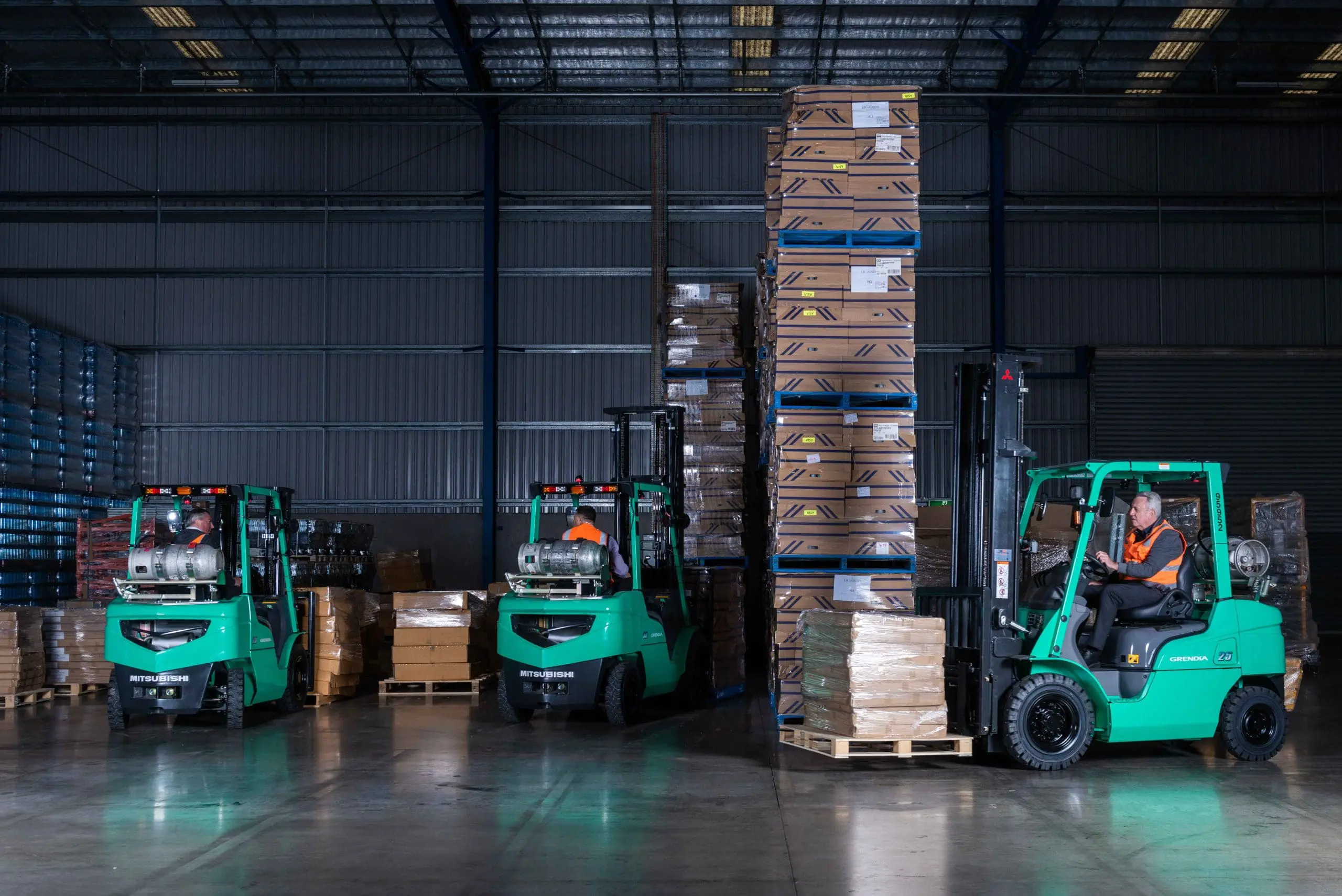
The goal is straightforward: the forklift should enter the premises, reach the load, turn where required and complete the lift without the building becoming the problem.
Send the load details and the few measurements that change equipment fit through MLA’s contact page for forklift hire and rent in Thomastown.
Yes. One-day hire may suit a pallet unload, machinery placement, stock move or another defined task. The load and usable premises determine the equipment.
Provide the narrowest usable width and height along the actual movement, including any door hardware, lintels or overhead services that reduce clearance.
No. A compact machine must still have sufficient rated capacity, lift height and stability for the load. Another warehouse equipment category may be more suitable.
Possibly, but it should not be assumed. Doorways, turning room, aisles, lift height, and travel can produce different requirements even when the load is unchanged.
Describe the confirmed movement and the limitation. A task-specific rental may be considered while the owned forklift remains with work it can perform safely and practically.