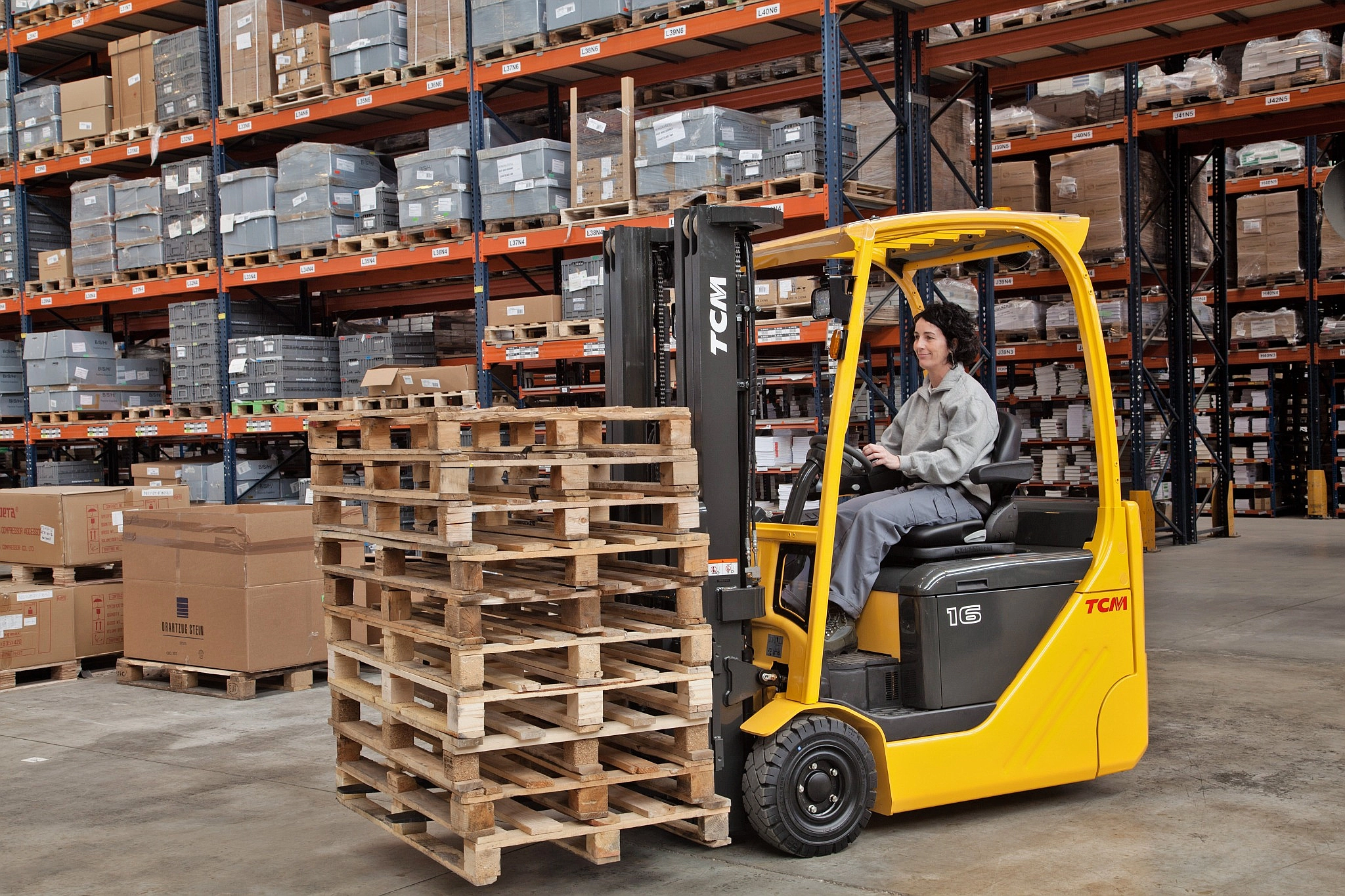
A shipment arriving in Tuggerah might need to come off a truck, travel through a warehouse and later be placed into elevated storage. Another customer only needs machinery set down inside a workshop or palletised materials moved during a project. Forklift hire and rental through MLA Complete Forklift Solutions can be arranged around the movements that are genuinely part of the job, rather than assuming every booking needs the same reach, capacity or machine configuration.
For customers handling several stages, one detail deserves particular attention: the highest lift the forklift will really perform. The first unload may happen close to ground level, while storage later in the job asks considerably more of the mast.
Tuggerah Business Park and the surrounding industrial precinct contain warehouses, factory units, storage operations and other commercial premises. Central Coast Council’s current economic strategy also identifies Tuggerah as a major concentration of the region’s general industrial land.
That setting creates conventional hire needs alongside higher-storage work.
A tradesperson may have equipment arriving at a unit on Gavenlock Road. A business could need extra handling capacity while stock is reorganised. Machinery might need unloading and positioning before installation, while another customer only needs palletised products moved from the receiving area to a floor-storage position.
If every planned lift remains low, the equipment discussion can stay with that work.
The customer does not gain anything from specifying a forklift for high-level storage that is absent from the booking. Conversely, a truck chosen only because it can unload a delivery vehicle may fall short when the same goods are expected to go much higher later.
MLA’s forklift rental range includes equipment for different temporary material-handling requirements, allowing the machine to follow the work rather than the general description of the premises.
Consider a warehouse receiving stock from a delivery vehicle.
The forks may only need moderate elevation to remove the pallet from the truck. Once inside, however, the same pallet could be destined for a substantially higher storage position.
In that job, truck-deck height is not the vertical requirement that should define the forklift. The storage placement is higher, so that movement deserves attention when the machine is being selected.
The reverse can happen too.
A forklift may unload materials from a vehicle and place them immediately on the warehouse floor. Racking elsewhere in the building could extend several metres higher, but if the hired machine will never service it, that rack height has no role in the booking.
The question is therefore:
What is the highest loaded fork position this particular forklift is expected to reach?
That is more precise than measuring the highest point in the warehouse or simply asking how tall the racking is.
Reaching the required level is only part of high placement.
Forklift capacity can vary with lift height, load centre, mast configuration and other factors reflected in the machine’s rated information. MLA’s load rating and load centre guidance explains that the data plate accounts for factors including lift height when setting rated capacity.
A Tuggerah customer with elevated storage should therefore describe the load being placed as well as the height involved.
A light pallet going to an upper storage position may require one type of equipment. A heavier unit at a similar level may require a different equipment choice.
This is different from checking whether a lowered mast fits beneath a doorway or ceiling. Tuggerah’s decision is the highest loaded lift required by the work, not general building clearance.


A hire can begin with unloading work and only reach its most demanding lift later.
For example, several incoming pallets may initially be staged on the floor while receiving checks are completed. Hours later, some of those goods are moved into higher storage. A forklift that handled the unloading comfortably still needs to be suitable for that later placement.
This is worth identifying before the booking because it avoids choosing around the easiest part of the day.
Customers arranging forklift hire for machinery or project materials may have no elevated placement at all. In that case, there is no reason to add it. The highest required lift might simply be the point needed to clear a transport base during unloading.
The equipment brief should reflect whichever situation is actually present.
A Tuggerah business may want the hired machine to unload deliveries, move stock around the unit and assist with storage during the same period.
Those jobs can sit together where the selected forklift suits them all.
It helps to distinguish the movement that determines each part of the specification. A heavier machine may govern capacity. Elevated pallet storage may govern lift height. Internal work may influence the type of forklift that is practical within the operating area.
The booking does not need a long checklist covering every possible site feature. It needs the few details that materially change the machine required.
If a customer already owns a forklift, the same principle applies before assigning unfamiliar high-level work to it. Its readable data plate should confirm the rating relevant to the lift being considered.


A Tuggerah hire enquiry can be walked through by following one load.
Start at the delivery vehicle. Explain what is being unloaded and how the goods arrive.
Then follow the pallet to where the forklift’s work ends. If it stays on the floor, say so. If the machine will later place it into elevated storage, include that highest loaded position in the discussion.
MLA can then consider equipment that covers the complete forklift portion of the job rather than only its first movement.
When the forklift is on site, the operator can work within the rated conditions of the supplied machine and the loads included in the booking. If later work introduces a higher placement or another requirement outside that plan, raise it before adding the movement.
No. Concentrate on the highest position the hired forklift is expected to service.
If some racking or storage areas sit higher but the machine will not use them, those heights do not need to drive the rental choice.
Then the hire can stay centred on the unloading work.
Describe the goods, how they are presented on the vehicle, and where the forklift needs to place them afterwards. High-level storage only becomes part of the equipment decision when the hired forklift is expected to perform that later lift.