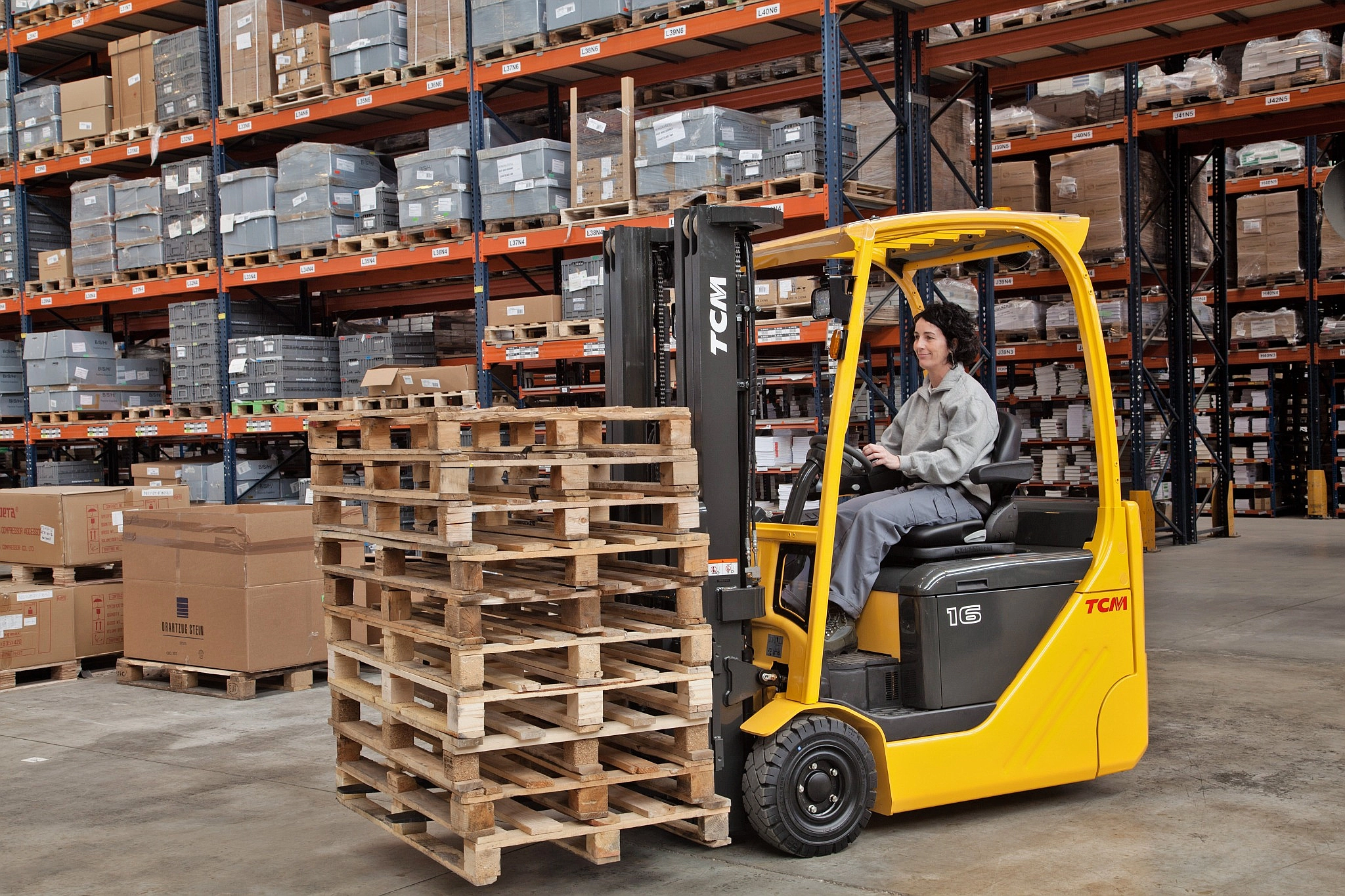
The point where packing finishes and forklift work begins can be easy to overlook. Cartons may have travelled through an automated line correctly, products may be sealed and labelled, and the production stage may be complete. The forklift still needs a stable unit it can pick up and carry as one load.
That is especially relevant in Ulverstone, where manufacturing and food processing form a visible part of the local economy. Automated packing lines operate within the town’s potato-processing sector, creating a genuine local example of goods moving from production into the next handling stage.
Other customers arrive at MLA with completely different work. A workshop may have equipment to unload, a contractor could be receiving building materials, and a property owner might need a pallet moved after delivery. Forklift hire and rental in Ulverstone through MLA Complete Forklift Solutions can cover those jobs as well as business handling requirements.
During production, separate cartons or packs can still be changing position, quantity and arrangement. Once that product is handed over for forklift movement, it needs to behave as a complete unit.
For palletised goods, that means the final stack should be stable on its carrier before the forks raise it. Packaging equipment may have completed its part of the process, but an unstable pallet at the handoff point remains an unstable forklift load.
Ulverstone’s Simplot plant on Mason Street provides strong local context for this distinction. The facility processes potatoes at significant scale and currently operates eight automated pack lines. Automated packing is therefore part of the town’s real manufacturing environment.
The forklift decision comes after that packing process. The operator needs to deal with what the line has actually produced at the point of handoff.
If cartons are aligned, secured and properly supported on a sound pallet, the load may be ready for routine handling. If the finished stack has shifted, packaging has failed to hold the unit together, or part of the load is poorly supported, the next movement should wait until the handling unit is stable.
Automation can make packing consistent, but the finished handling unit still needs to be suitable for the movement that follows.
The forklift operator is concerned with the completed load presented for pickup. A stable stack on a sound carrier can move into normal handling. Visible instability at that handoff point should be addressed before lifting.
A local customer may never operate a packing line.
Building products can arrive at a project site on conventional pallets. A workshop might need help placing new machinery. Businesses can have packaged stock or equipment to unload, while rural and property work can create occasional lifting requirements that do not justify keeping a forklift permanently available.
Those enquiries can stay focused on the immediate movement.
For a pallet delivery, knowing the loaded condition and where it needs to go may provide most of the useful information. Machinery can introduce a different support arrangement, particularly when it remains on a transport skid or has designated fork-entry points.
MLA’s forklift rental and hire range includes different equipment configurations for temporary material-handling work. The machine selected for Ulverstone should reflect the load the customer is actually expecting rather than the wider industry around the site.
Where packing or production is involved, forklift planning can become unnecessarily complicated if every part of the process is treated as a forklift issue.
The useful point of attention is the transfer between stages.
Before that point, products may be moving through machinery, accumulating into cartons or being assembled into the final dispatch format. After it, the forklift receives a completed handling unit and becomes responsible for moving that unit through the next part of the workflow.
That handoff helps customers decide what information matters.
The number of cartons moving through the line during an hour may have little relevance to a particular forklift lift. The weight and condition of the finished pallet are much more useful. Likewise, the machinery used to seal or label individual packages matters less to the forklift than whether the final load remains stable when supported from underneath.
If the business changes its pack pattern and the finished pallet becomes substantially different, the later handling requirement deserves another look.


Production changes can appear small until they reach pallet level.
A different carton size could alter the way the stack builds. Another product format may produce a taller or heavier completed unit. A changed packing arrangement might alter how well the goods remain contained once the pallet leaves the line.
The forklift already performing the work may still suit the new unit. The important step is recognising that the handling load has changed.
MLA’s guidance on forklift load ratings and load centres is useful where a completed unit introduces a materially different capacity requirement.
For other Ulverstone customers, the same principle appears in simpler form. A project may begin with standard pallets and later receive machinery. A workshop could move packaged components before a heavier piece of equipment arrives.
The earlier load should not become an automatic specification for the later one.
The load may be ready while the customer’s own forklift is not.
Where a pre-use inspection identifies a genuine equipment defect, the condition of that machine should be resolved before normal loaded work continues. MLA provides forklift service and repair for owned equipment, with parts support available where an inspection identifies a component requiring replacement.
That remains separate from the hire decision.
A business can arrange another forklift for the handling work if rental equipment is the practical answer, while the owned machine receives the service attention its condition requires.


Once the customer knows which part of the work needs forklift support, MLA can quickly narrow the next step.
For production or packing work, describe the finished unit at handoff rather than every stage used to create it. For a delivery or project, explain the item arriving and where the forklift needs to place it.
MLA can then discuss equipment for that movement and arrange the rental around the work planned. When the forklift is supplied, the operator becomes familiar with the machine, completes the applicable pre-use checks and begins with loads that are stable and ready for handling.
If the finished unit changes materially during the booking, raise that change before treating the new configuration as more of the same.
Hold that unit back from forklift movement until it has been brought into a stable handling condition.
The remaining pallets do not automatically become problematic because one unit has formed badly. Where the others are stable, properly supported and within the forklift’s handling requirement, they can remain part of the planned work.
That keeps the response proportionate. In Ulverstone, the production line may create the goods, but the forklift still needs to receive a load that is ready to travel as one unit.