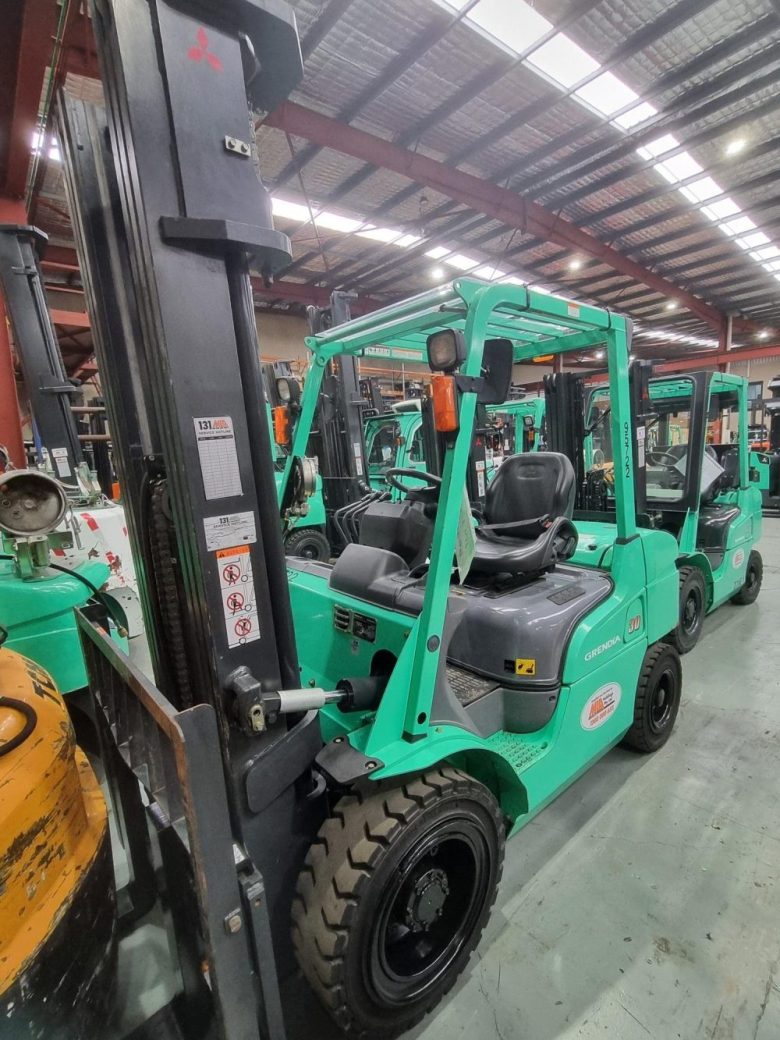
The delivery is booked, the showroom team is expecting new stock, and the installer needs the equipment inside before normal work resumes. Unloading may look straightforward from the vehicle, but the harder part often begins after the load enters the tenancy. The operator may need to turn near shelving, move carefully around finished products and place the item where the next stage of work can begin.
With MLA Complete Forklift Solutions, the hire decision follows that entire job. The team considers what must be lifted outside, how much work will continue indoors, and what the forklift needs to do once it reaches the enclosed area. This helps prevent a customer from hiring a machine that suits the first few minutes but becomes impractical for most of the booking.
Some Varsity Lakes commercial premises combine professional showroom or office space with enclosed warehouse areas and roller-door access. The customer might be receiving a single packaged machine, completing a tenancy fitout, or bringing in additional stock during a busy period. In every case, the forklift needs to remain suitable after the load leaves the open unloading area.
Capacity remains essential, but it does not settle the whole equipment decision. A forklift may lift the item comfortably beside the delivery vehicle and still be a poor choice for repeated movement through an enclosed workspace.
Consider a boxed display unit that needs to be unloaded, carried through the warehouse and positioned where assembly can start. The external lift may take only a few minutes. Indoors, the operator could spend much longer manoeuvring around storage, lining up the load and working near people who are continuing with normal duties.
This is the point many customers miss. The machine that makes the first lift easy can create the harder problem once it is operating indoors.
Electric counterbalance equipment may be worth considering where enclosed handling forms a meaningful part of the work. Internal-combustion equipment may remain practical where the job happens mainly outside, or the operating conditions support its use. The choice should follow the real working environment rather than the forklift type the customer already knows.
Using a single forklift for unloading and indoor placement can keep the process straightforward. The operator stays with one machine, and the load does not need to be transferred between equipment.
That approach only works when the forklift remains practical in both environments. It must have the required lifting capacity outside, then remain manageable once it is travelling, turning or positioning the item inside.
For many deliveries, a counterbalance forklift may complete both stages. Other jobs may place greater emphasis on internal stacking, tighter manoeuvring or repeated warehouse travel after the goods are already inside. A reach truck, stacker or another category from MLA’s warehouse forklift range may then deserve consideration.
The resulting hire should answer a clear question: can one machine complete the full Varsity Lakes task properly, or does the indoor work call for a different equipment role?
Forklift hire is available for suitable one-off and continuing work, not only for established warehouses with permanent fleets.
One substantial machine delivery may justify a one-day booking. Fitout work may require forklift support as different sections of a tenancy become ready. Extra capacity can help an operator manage a large stock intake, relocation or temporary increase in receiving activity.
A contractor arranging the movement for the first time can also enquire. The important points are the load, the operating environment and the work the forklift must complete, not whether the customer already owns equipment.
A longer rental may become useful when mixed indoor and outdoor handling continues beyond the original project. A defined hire period can also show whether the selected machine suits routine work before the customer considers a more permanent equipment decision.
MLA’s Gold Coast forklift rental options can be matched to the actual task rather than forcing every customer into the same booking pattern.

An existing forklift may be unavailable because it requires servicing or repairs. It may also remain useful for outdoor work, yet be poorly suited to the enclosed task now facing the customer.
Temporary replacement equipment can protect receiving, stock movement or installation work while the normal machine is being addressed. The replacement should be chosen for the current Varsity Lakes job, particularly since indoor operation makes up a larger share of the task than usual.
A service or repair booking can address the owned machine, while identified parts requirements can be handled once the equipment and components have been confirmed. This keeps the rental focused on the work that must continue without turning the enquiry into a generic list of service options.
The practical outcome is continuity. The delivery, fitout or stock movement can proceed with equipment suited to the present task while the existing forklift follows the appropriate service pathway.
Once the forklift enters an enclosed tenancy, it may be closer to staff, stored goods, displays and finished surfaces. The working area should be understood before lifting starts so normal activity does not unexpectedly cross into the forklift task.
Noise and exhaust may also carry more weight indoors than they do beside the vehicle. Turning space and visibility can change when shelving or stock sits close to the movement area. These factors belong in the equipment choice because they affect whether the machine remains practical for the customer’s real environment.
The placement area should be ready before the load enters the building. Installers, staff, or contractors should not clear the destination while the operator is already carrying the item.
Temporary equipment may also feel different from the machine an operator normally uses. Before the first indoor movement, the operator should understand the controls, dimensions, and operating characteristics, and hold the appropriate authorisation for the task.


Forklift hire & rent Varsity Lakes should leave the customer with equipment that remains useful once the load is indoors. Success is not simply getting an item off the delivery vehicle. It is completing the movement without discovering halfway through that the forklift only suits the easiest part.
Call MLA Complete Forklift Solutions on 1300 166 660 or use the Contact Us page to discuss what happens outside, what continues indoors and what result the hire needs to achieve.
Yes, where one machine has the required capacity and remains suitable for the enclosed work. Indoor manoeuvring, operating time and positioning requirements should be considered before the equipment is arranged.
No. Electric equipment may suit some enclosed applications, but the load, operating conditions and amount of indoor work still determine the decision. The power source should be considered alongside capacity and practical use.
Yes. A contractor can arrange suitable forklift hire for a delivery, placement or fitout without owning a forklift or managing a permanent fleet. The site and load still need to support safe forklift operation.
Rental equipment can be selected around the current indoor and outdoor tasks. This may allow the enclosed work to continue while the owned forklift remains with the activity it suits or receives servicing, repairs or identified parts.