Inside a compact trade or warehouse unit, the forklift itself may have plenty of room to travel. The picture can change once a wide pallet, fabricated item or piece of machinery is carried on the forks. At that point, the widest part of the loaded combination becomes the dimension that matters through doorways, between stored goods and along the route the operator needs to use.
That is a practical consideration in Vasse Business Park, where trade services, production, warehousing and logistics businesses operate from a mix of commercial and light-industrial premises. It is also only one type of local hire requirement. Builders, contractors, property owners and other customers may simply need a forklift for materials, equipment or a delivery that is ready for mechanical handling.
Forklift hire and rental in Vasse through MLA Complete Forklift Solutions can be arranged around those real jobs. Some enquiries will be settled by a conventional pallet movement. Others need more attention because the load itself changes the room available to the forklift.
Suppose machinery arrives on a base that is substantially wider than the forklift carrying it. The truck may pass easily through a workshop opening while empty. Once the load is raised, its sides extend beyond the chassis and effectively create a wider vehicle for that movement.
The same can happen with fabricated products, building materials or wide packaged goods.
For this type of task, three measurements describe different parts of the job:
The widest point of the forklift and load together should be compared with the parts of the route the machine actually has to use.
This is different from deciding how far apart the forks need to sit beneath a wide item. Fork spacing deals with support under the load. Vasse’s local decision is whether the complete loaded machine has enough usable travel clearance once the item has been picked up.
It is also separate from loaded turning space. A route can be wide enough for straight travel yet still require another check where a significant turn is involved. The hire enquiry should concentrate on the movement the customer genuinely plans rather than expanding into every possible access condition.
The amount of projection still needs to be considered against the available route. A small increase may have little effect in an open work area while becoming important near shelving, door frames, stored equipment or other fixed boundaries. The real comparison is between the loaded width and the space available for that movement.
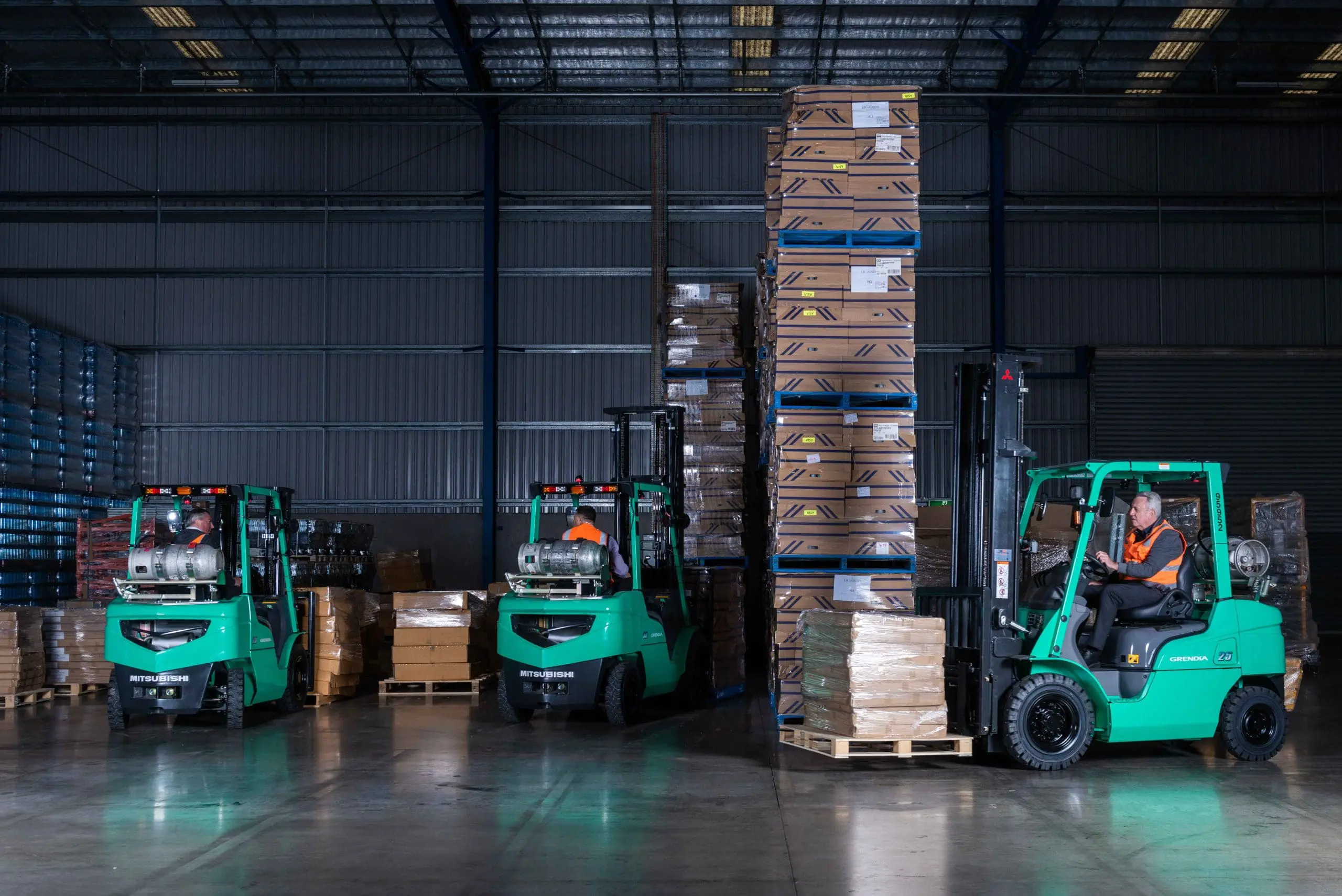
A landscaping delivery at a property might arrive on a standard pallet and be unloaded entirely outdoors. A tradesperson may have equipment delivered to a prepared work area with generous room around it. Local businesses can also need help moving stock, appliances, machinery or materials that present familiar fork entry and manageable dimensions.
Those jobs should remain easy to arrange.
A customer with a stable pallet and a reliable weight can explain what needs to be unloaded and where the forklift will operate. Machinery may require supplier information about its weight or support arrangement. If the lift stays close to ground level, the equipment brief can stay centred on the work that will actually happen.
MLA’s forklift rental options cover different equipment requirements for customers who need temporary material-handling capacity. The practical choice for a Vasse job still comes from the load and movement on site.
The hire can also cover several related tasks where one machine genuinely suits them. Palletised stock, for example, may be moving through the same unit over several days. If a later delivery introduces a substantially wider item, that new load can be checked before it travels through the existing route.
Extra load width deserves attention during travel as well as equipment selection.
An operator carrying a wide item needs enough usable space to keep the load clear of fixed objects and surrounding activity. Parts of the load that project beyond the forklift can also be harder to judge from the driving position, particularly where the route becomes confined.
That makes route awareness part of the actual Vasse decision. The work area should allow the loaded forklift to travel without forcing the operator into unnecessarily close clearances.
This remains proportional to the job. An outdoor unload in an open prepared area may involve no meaningful width restriction at all. A load moving through a trade unit may have only one narrow section worth checking. There is little value in turning the whole premises into an access survey when one part of the movement decides whether the load fits.
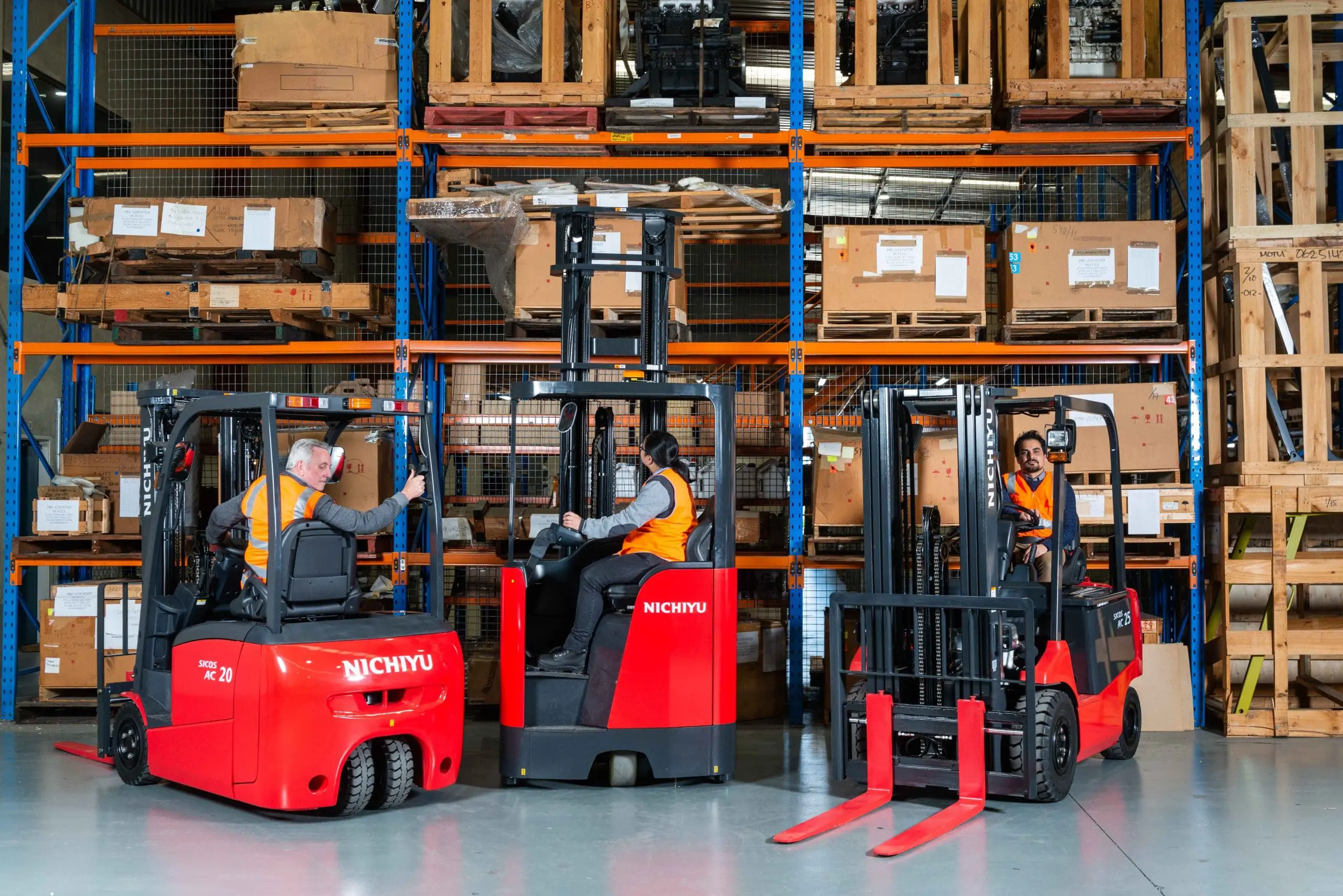
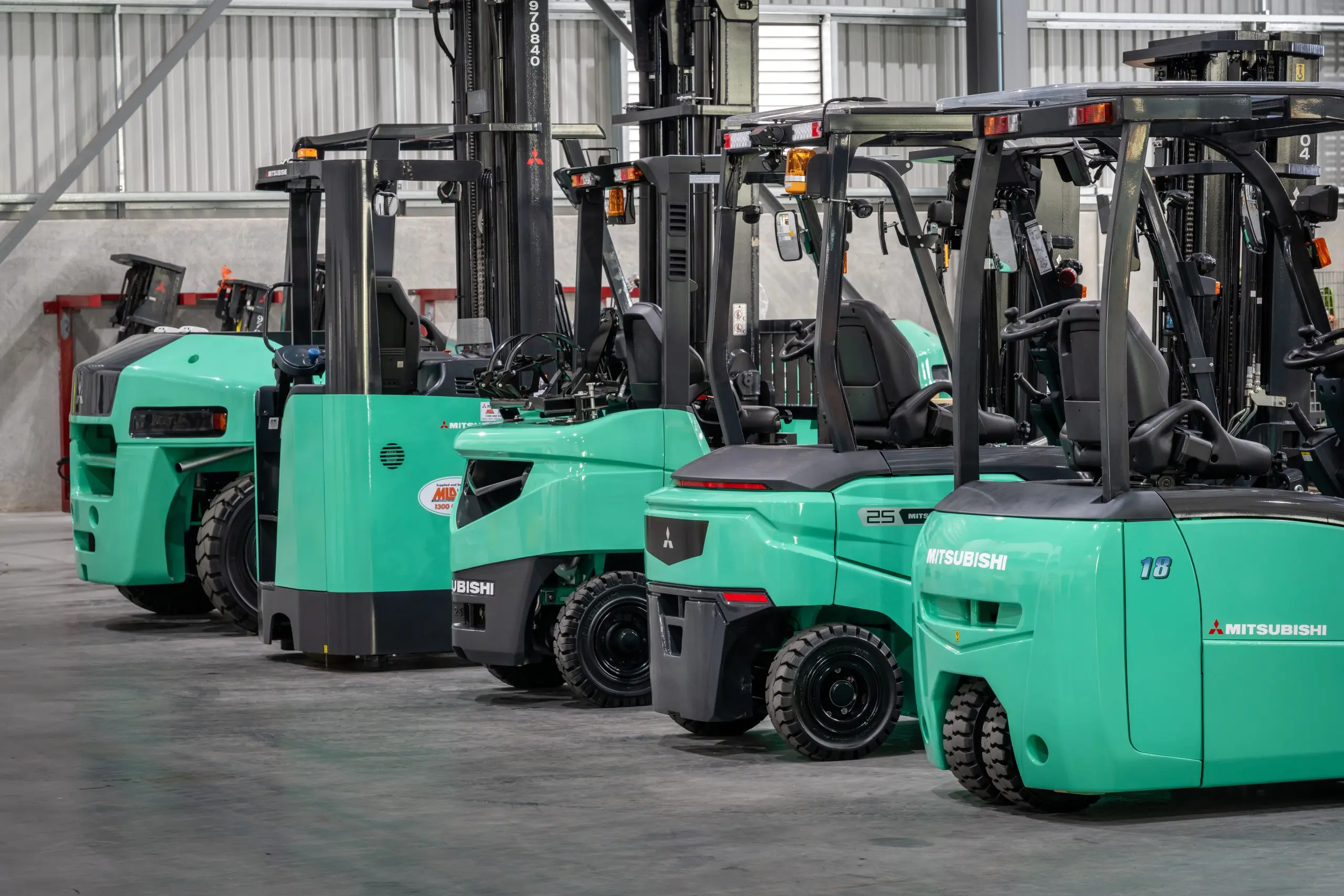
Businesses rarely receive every load in the same dimensions.
Routine stock may arrive on familiar pallets for months, then a supplier sends a wider crate or machinery base. A construction project could begin with palletised products and later receive an assembled item with a much larger footprint. A workshop might rearrange its normal storage before a new machine is delivered.
The forklift already selected for the earlier work may still have suitable capacity. The later load can nevertheless change the space required for travel.
That distinction is worth identifying before the item is lifted. Measure the incoming unit as it will actually be carried and consider the route that movement requires. If the loaded combination fits comfortably, the existing hire may continue to serve the work. If clearance becomes restrictive, equipment or movement planning can be discussed before the delivery turns into an on-site problem.
The process can be kept short because each stage answers a different customer question.
At the enquiry, explain the main load and the movement you need completed. For a wide item, include its overall width and flag any genuinely confined part of the route.
Before the booking is settled, MLA can consider those details against suitable rental equipment and the work period involved. If one later delivery is substantially different, mention it separately instead of allowing it to distort the specification for every other load.
On site, the operator becomes familiar with the supplied forklift, completes the relevant pre-use checks and works within the conditions the machine was selected for. Once the planned handling is finished, the hire can move to its agreed collection or completion arrangement.
For a Vasse customer receiving a normal pallet, much of that conversation may take only a few details. A wide load simply adds one important dimension: enough room for the goods and forklift to travel together.