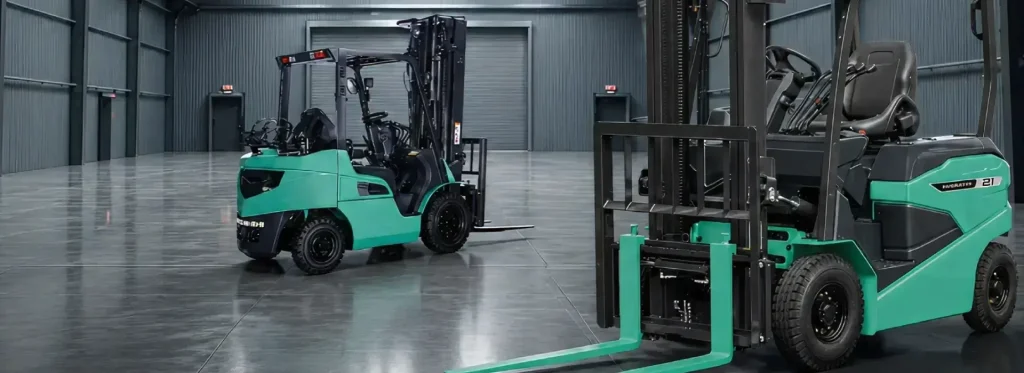
For most of the year, Wagin forklift work is tied to farms, grain sheds, sheep properties, workshops and rural suppliers. Then Woolorama season arrives, and the same town has to handle event freight, livestock displays, trade exhibitors, food vendors, equipment, temporary structures and thousands of visitors moving through the area.
That mix makes Wagin different from a standard warehouse location. A forklift may be needed for wool or sheep-related materials one week, grain or farm supplies the next, and showground equipment or trade display stock during a short event window. The load may be straightforward, but the timing, surface and surrounding activity can make the job more complex.
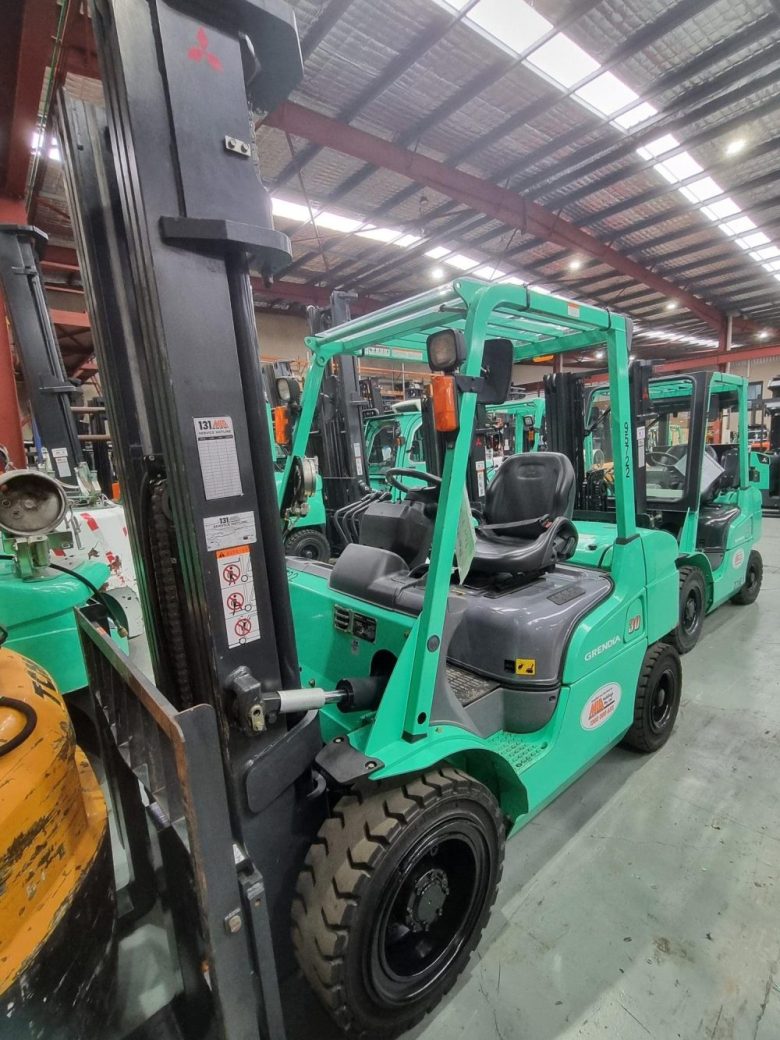
Customers arranging forklift hire and rent in Wagin need equipment that suits the working environment, whether the task is at a farm shed, a town business, a workshop, a grain-related storage area, a rural property or a busy event site.
Wagin Woolorama changes the way local access works. During event preparation, goods may need to be moved before exhibitors, livestock, visitors, volunteers and vehicles fill the area. Equipment that could be placed easily on a quiet day may become difficult to place once gates, stalls, people, trucks, and temporary structures are in place.
A forklift used in an event setting may need to operate across compacted ground, near pedestrians, around parked vehicles, or beside temporary storage. Timing is critical. If a load is left in the wrong spot, it can block an exhibitor, delay setup or create extra movement when the site is already active.
For show-related work, the forklift plan should be built around the event timetable, not just the delivery time.
Outside the event cycle, Wagin’s forklift demand often follows the rhythm of local agriculture. Farms and rural suppliers may need pallets of seed, fertiliser, fencing, feed, wool packs, machinery parts, water equipment, packaging, or stored goods moved into the right place.
A sealed townsite yard is one thing. A farm shed, gravel area, stock-related access point or grain storage site is another. The forklift needs to suit the surface, turning space, access width and final placement point.
A load that can be lifted safely may still be difficult to move if the ground is uneven, the shed entry is narrow, or vehicles and trailers are already using the same area. That is why the site details matter before the machine is arranged.
Regional customers should not have to organise freight, volunteers, staff, contractors, or farm schedules, only to find out the provider cannot support the address. For Wagin jobs, the service area should be checked before the load is on the road.
MLA Complete Forklift Solutions can discuss forklift hire, rental, servicing, parts and safety support for Wagin, including work around the townsite, Great Southern Highway, Arthur Road, Ballagin Street, Wagin Showgrounds, Dumbleyung, Woodanilling, Katanning, Narrogin and nearby Wheatbelt and Great Southern service routes.
That early conversation is useful when the task is linked to Woolorama setup, a grain or sheep property, a farm delivery, a rural workshop, a town business or a short equipment gap.
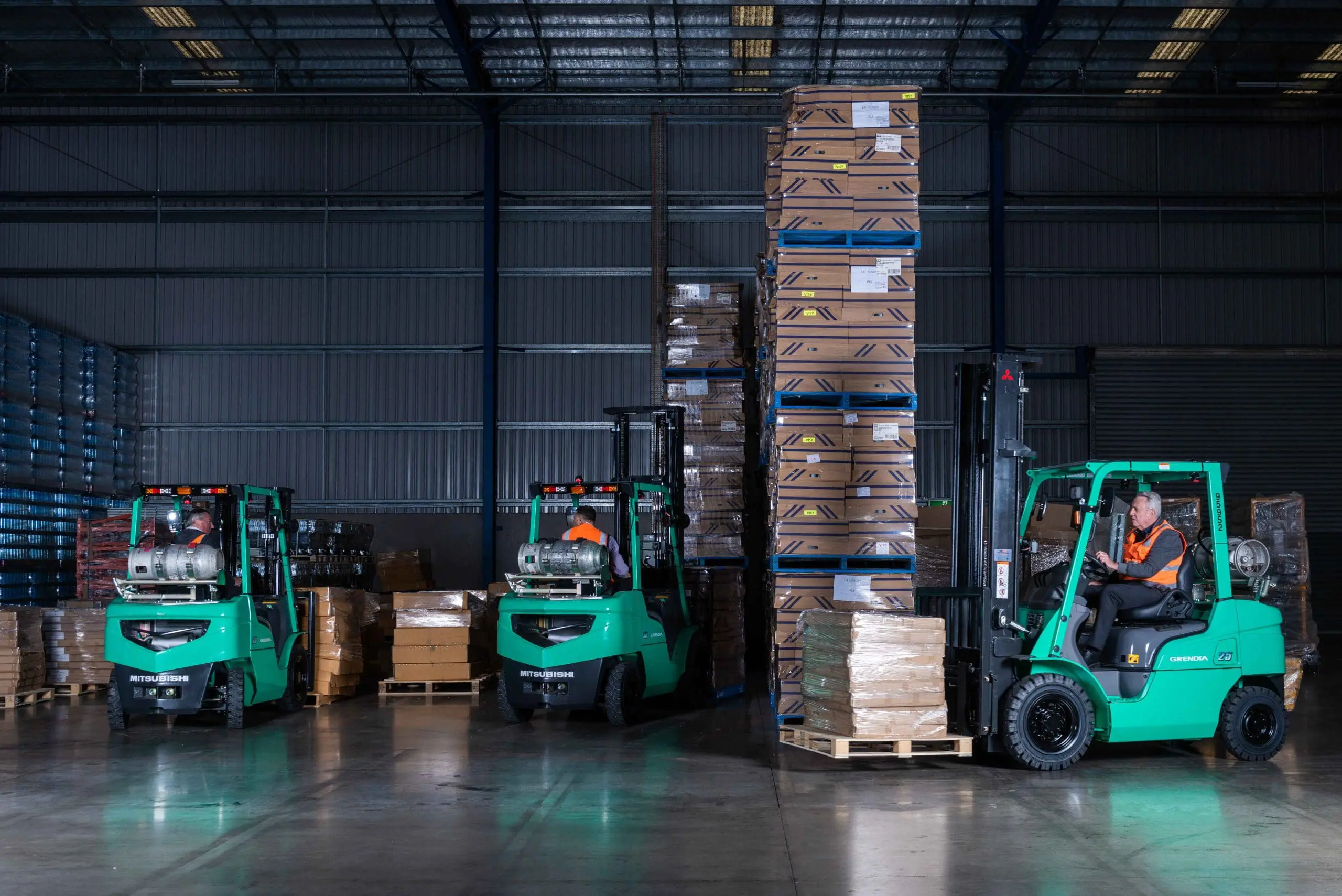
Many Wagin jobs only need a forklift for a short period. A farm may need help with one delivery. An exhibitor may need trade equipment moved before an event opens. A workshop may need machinery parts placed near a repair bay. A rural supplier may need to shift stock before customers arrive.
Short hire can work well for these jobs, but only if the forklift fits the space. A machine that is too large can block access or be hard to control around people, sheds or vehicles. A machine that is too small may slow unloading or create handling issues.
The right choice depends on load weight, surface, lift height, travel distance, access width and what else is happening nearby. For Wagin, that might mean checking whether the forklift will work near livestock yards, event areas, trailers, farm vehicles, pedestrians, stored goods or uneven ground.
A forklift fault in Wagin can become more than a mechanical issue. A truck may wait, a show setup may lose time, a shed entrance may be blocked, or a farm delivery may be left where it cannot be used.
MLA provides servicing, repair and parts support to help keep forklifts safe and reliable. Common support needs may include tyres, batteries, chargers, forks, filters, hydraulic components, lights, steering parts and other wear items.
Safety depends on the setting. Forklifts may work near livestock, exhibitors, farm workers, volunteers, delivery drivers, customers, sheds, gates, trailers, racking, grain storage or event traffic. Correct load capacity, reliable brakes, suitable tyres, clear visibility and a controlled movement path all help reduce risk.
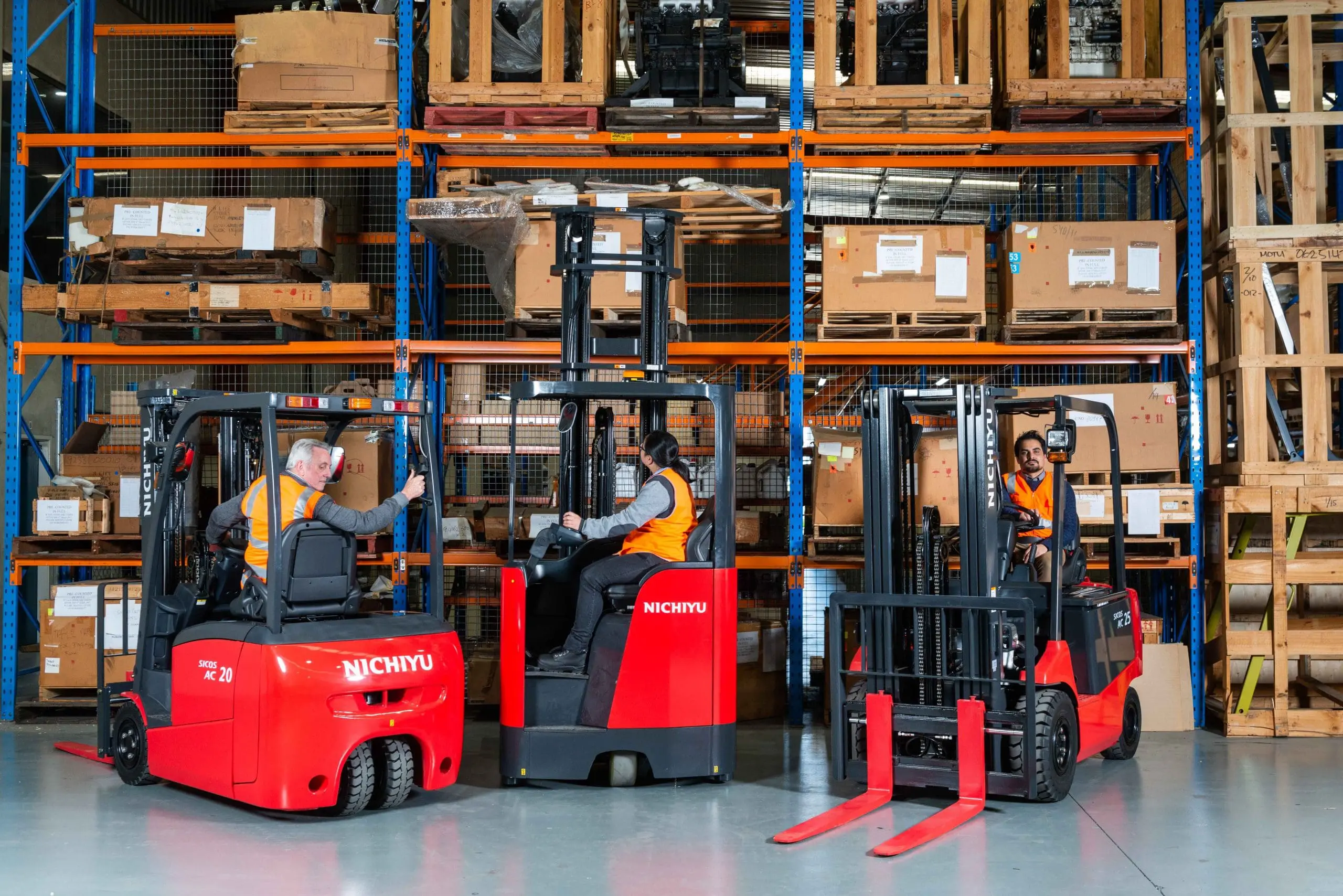
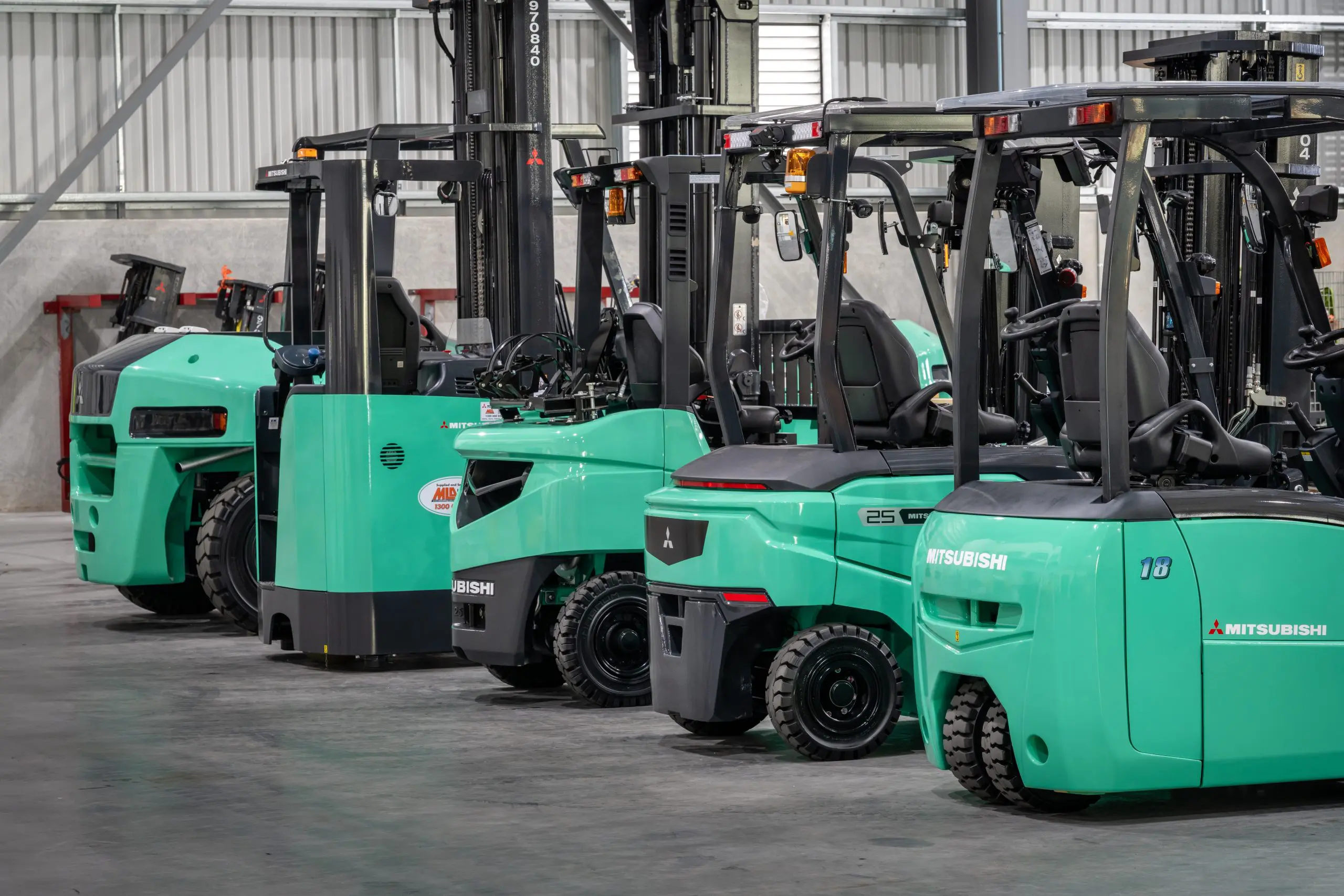
If a Woolorama setup, farm supply run, sheep or wool task, grain-related delivery, workshop unload or short-term equipment gap needs lifting support, MLA Complete Forklift Solutions can help match the hire or rental option to the site conditions and timeframe.
Call MLA on 1300 166 660 or contact the team to discuss forklift hire and rent in Wagin, rental options, servicing, parts or forklift safety support.
The event timetable, unload point, surface, pedestrian movement, vehicle access and final placement area should be confirmed early. Event sites can become harder to work around once exhibitors, visitors and temporary structures are in place.
A farm delivery may involve gravel, gates, sheds, trailers, livestock areas, uneven ground or a longer travel path from the truck to the final placement point. A townsite unload may have tighter customer access or parking limits.
Yes. Short-term hire can support event equipment, trade display stock, farm supplies, fencing, seed, feed, wool-related materials, machinery parts or temporary stock movement when the need is important but short-lived.
Yes. MLA can discuss Wagin and nearby service areas before customers lock in transport, staff, volunteers or contractors. This helps avoid planning a job around support that cannot suit the address or timing.
Useful details include the load type, weight, surface, access width, lift height, travel distance, final placement point, and whether the forklift will operate near livestock, pedestrians, vehicles, sheds, or event activity.