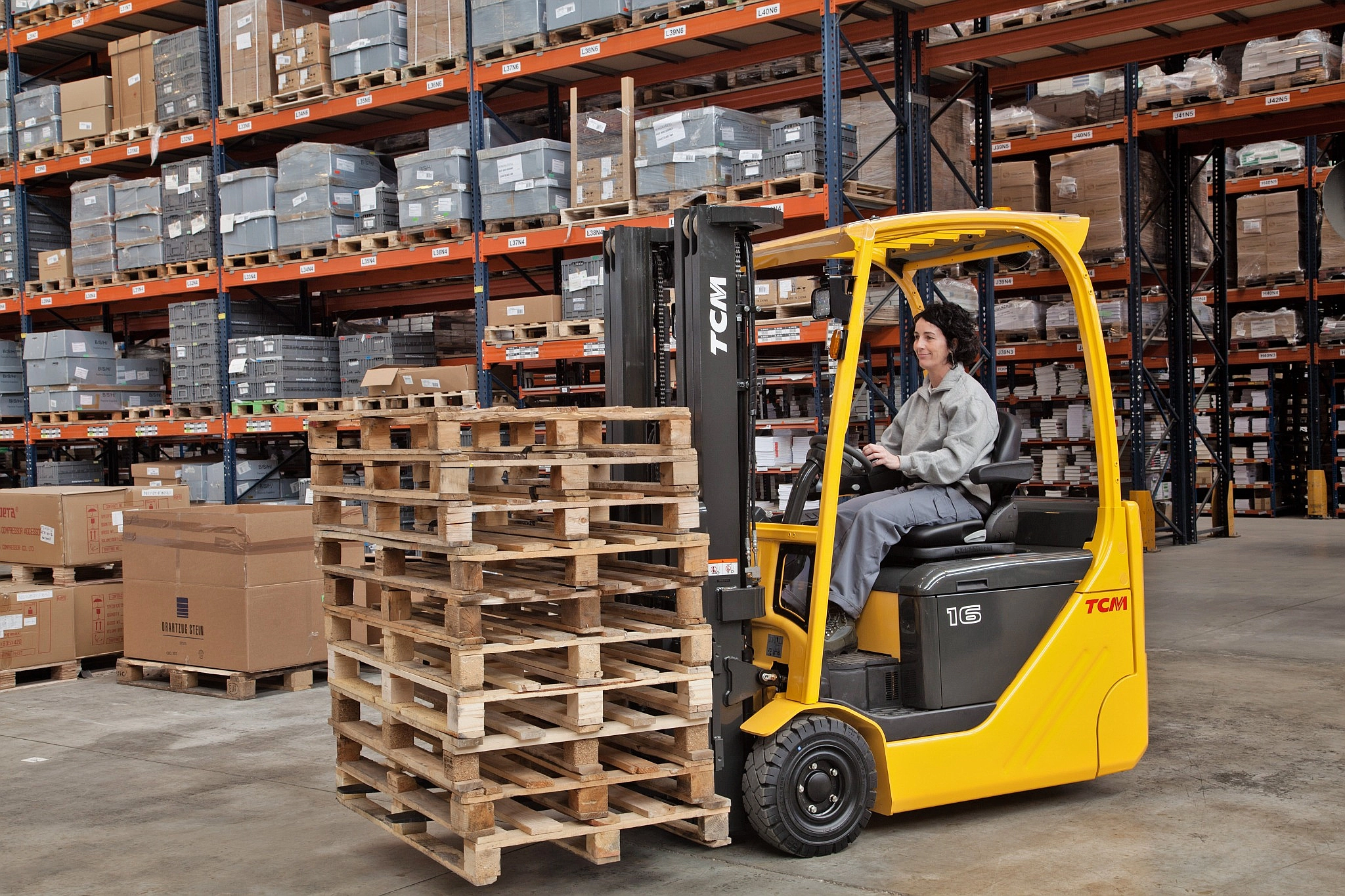
A shed delivery, workshop job or incoming piece of equipment can create a forklift requirement even where mechanical handling is only needed occasionally. Rural properties may receive palletised supplies or machinery, tradespeople can need lifting support during a project, and local businesses may have stock that is impractical to unload or reposition by hand.
Forklift hire and rental in Walpole gives customers a way to bring suitable lifting equipment into that situation without building the whole job around permanent forklift ownership. The machine may only be needed for unloading, or it may remain useful while several related movements are completed.
MLA Complete Forklift Solutions provides hire and rental support across regional Western Australia. The most relevant equipment depends on the actual work at the Walpole site, including the load, the area where the forklift will travel and any conditions that materially affect how the machine operates.
One customer may have a packaged load arriving beside a workshop with a prepared surface available. Another could be receiving machinery at a rural property. A builder may need several pallets moved while a shed or other improvement is underway.
Those situations do not have to be treated as versions of the same industrial job.
For a stable pallet on a suitable surface, the hire may be relatively easy to define. Machinery can add questions about its loaded mass and the way it is supported. Where the forklift has to work outdoors, the machine also needs to suit the actual ground it will use.
The key is keeping those considerations proportional. If the forklift only travels between the delivery vehicle and a prepared shed apron, that short operating area should shape the discussion. A job extending elsewhere across a property may introduce different equipment requirements.
Customers can also have several load types within the same booking. Similar palletised supplies may sit comfortably within one forklift’s capability. A later machine or bulky item deserves separate attention if its weight, carrier or handling method differs substantially.
Walpole’s local business mix includes rural supply and equipment support, with Walpole Hardware and Rural Supplies operating from Vista Street and serving the surrounding district. That rural context means some forklift work may take place outside conventional warehouse floors, including prepared yards, sheds and property work areas.
Where the selected forklift uses pneumatic tyres, tyre pressure becomes part of equipment readiness alongside the physical condition of the tyre.
An air-filled tyre can look generally serviceable while being underinflated. Pressure and visible tyre condition are therefore separate checks. Cuts, damage or excessive wear are one concern; inflation pressure is another.
The customer’s role is not to turn hire into tyre maintenance. The practical point is that a pneumatic-tyred forklift should be ready for work in accordance with its applicable operating requirements before loaded movement begins.
If a hired machine is being prepared for use, the operator’s pre-use inspection should include the tyres appropriate to that forklift. Any concern found during that check should be raised before the machine carries the load.
No single tyre construction suits every application. Equipment choice depends on the working conditions and forklift configuration. A machine operating on a suitably prepared surface may present a different requirement from equipment intended for another type of outdoor work area.
Tyre pressure only enters the customer’s decision where the forklift supplied actually uses air-filled pneumatic tyres.
A property owner waiting for building materials may have no special tyre concern at all. The immediate question is whether the incoming pallet can be unloaded and moved through the required area.
Workshop equipment can be similar. If a machine arrives on a suitable transport base with reliable handling information, the customer can focus on the lift itself. Packaged rural supplies, hardware and other palletised goods may create equally familiar work.
For heavier items, MLA’s forklift load rating and load centre information explains why rated capacity needs to reflect the way the load is positioned and handled, rather than weight being considered in isolation.
The workload may also determine how long rental remains practical. One planned delivery could create a concentrated lifting requirement, while a property improvement or workshop change may involve several movements close together. Rental should serve that actual workload without becoming the reason for choosing a particular machine.
A later delivery can alter the job even when the forklift has already performed the earlier movements comfortably.
Palletised materials might be followed by a machine on a skid. A load that stayed outside may be replaced by work inside a shed. Another item could introduce more weight or a different handling interface.
The changed part of the job is the part worth reviewing.
That may mean the same forklift continues with the work. Where the new task falls outside the original equipment requirement, MLA’s forklift rental range provides a broader view of temporary equipment options for different applications.
For rural customers, this also helps keep the hire grounded in where the machine will actually be used. The forklift selected for a prepared work area should not quietly acquire another role elsewhere on the property without considering whether the new conditions still suit it.
The first conversation can stay centred on the movement you want completed. Explain what is arriving, how it is presented for lifting and the part of the property or business where the forklift will work.
From there, the relevant machine and rental arrangement can be discussed. Where outdoor operation is involved, the work area and tyre configuration may form part of that equipment choice. A conventional pallet job may require far less discussion.
Before loaded work begins, the operator becomes familiar with the supplied forklift and completes the applicable pre-use checks. For a pneumatic-tyred machine, tyre condition and inflation pressure form part of that readiness check.
After the planned handling is finished, the hire moves to the agreed completion or collection arrangement.
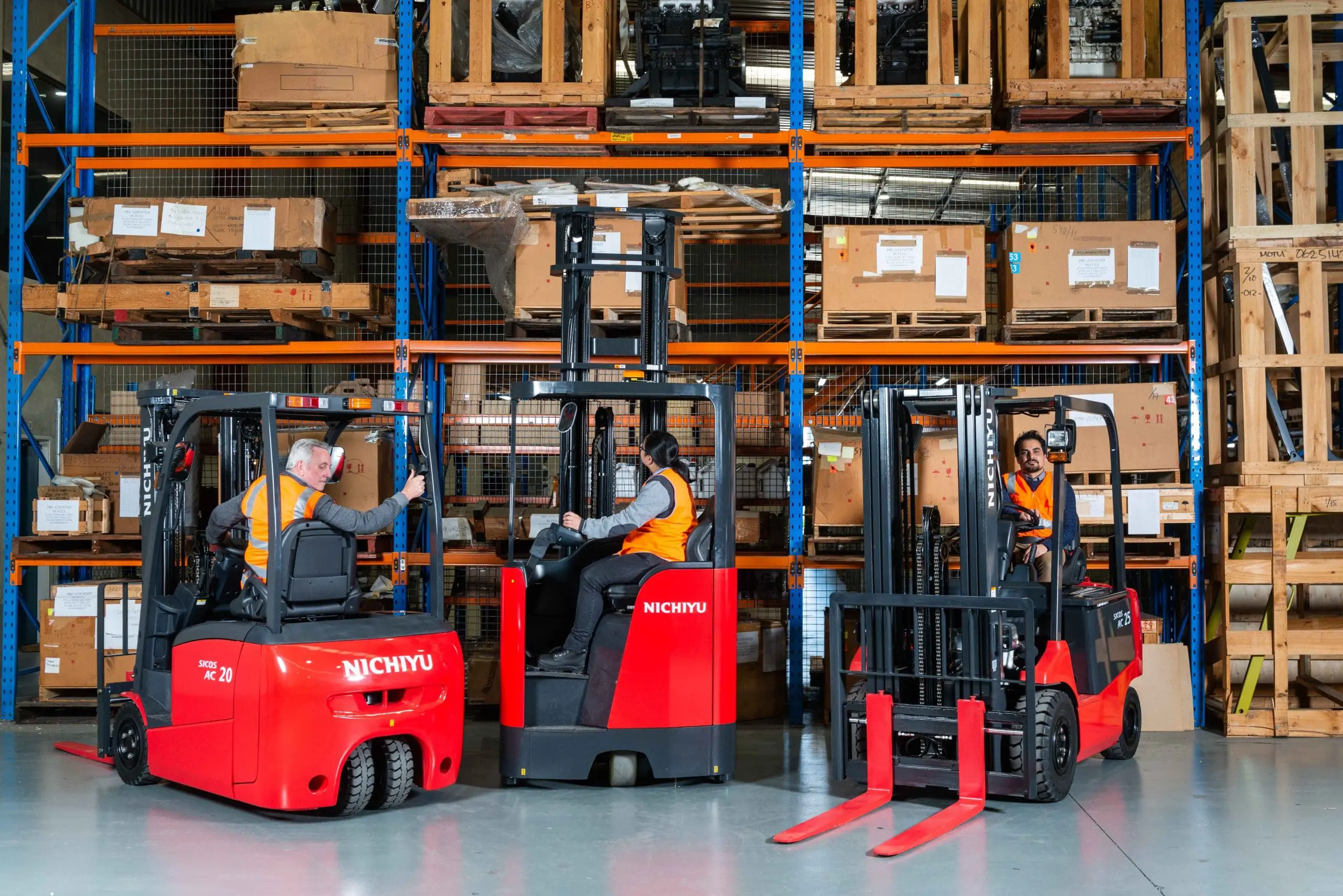
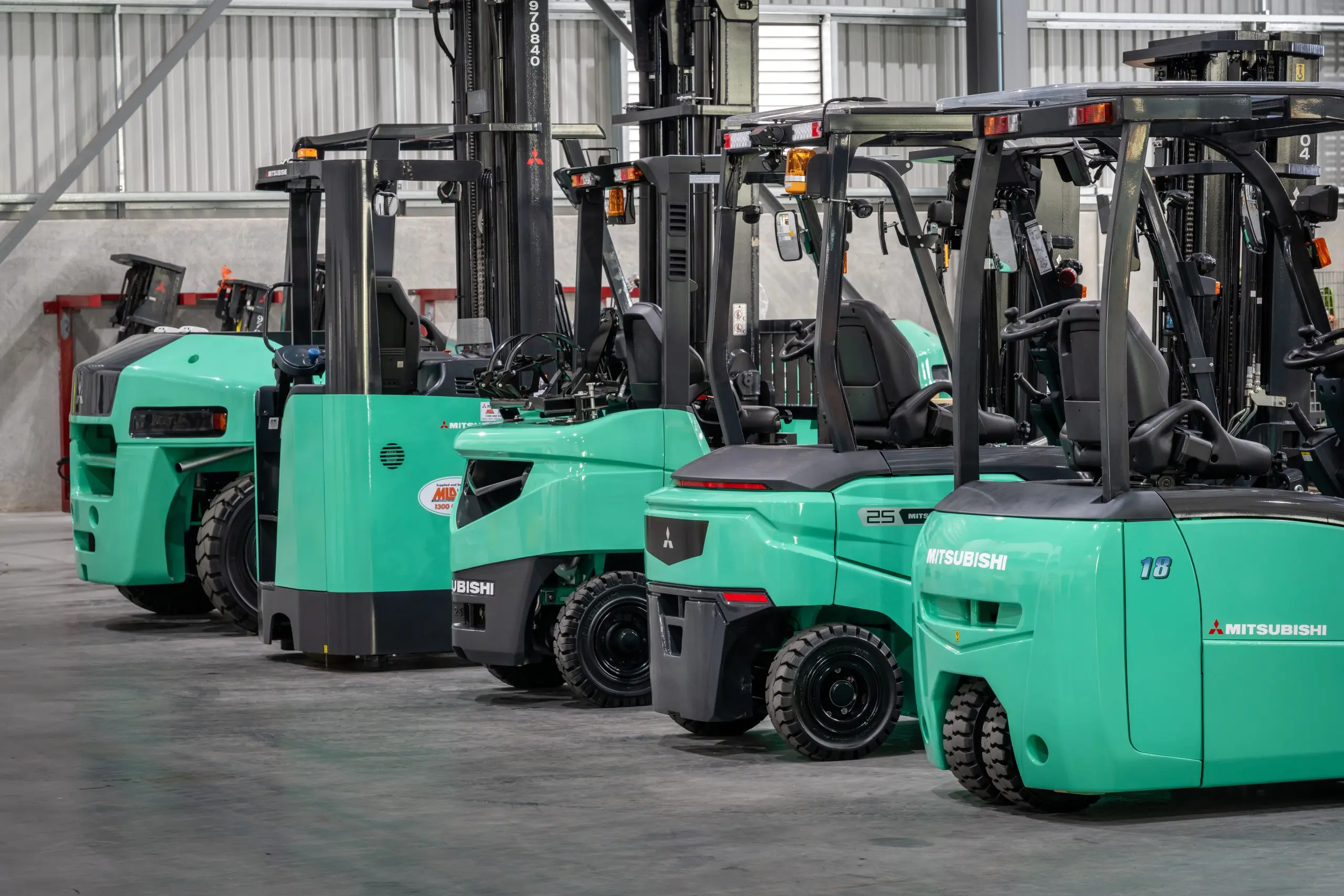
Yes. A suitable pallet, machinery delivery, building project or equipment movement can create a legitimate forklift hire requirement even when the customer has no regular forklift workload.
For example, building products arriving for a shed may only need unloading onto a prepared area and moving a short distance. The equipment for that job should remain focused on that movement rather than on the wider rural character of the property.
Check the tyre against the machine manufacturer’s pressure requirements before loaded work continues. A visibly damaged tyre or a pressure concern belongs in the equipment-readiness decision before the forklift returns to normal use.
A customer arranging hire for another job can keep that separate from the condition of an owned forklift. The immediate lifting requirement can be discussed on its own merits while the existing machine receives the attention its condition requires.