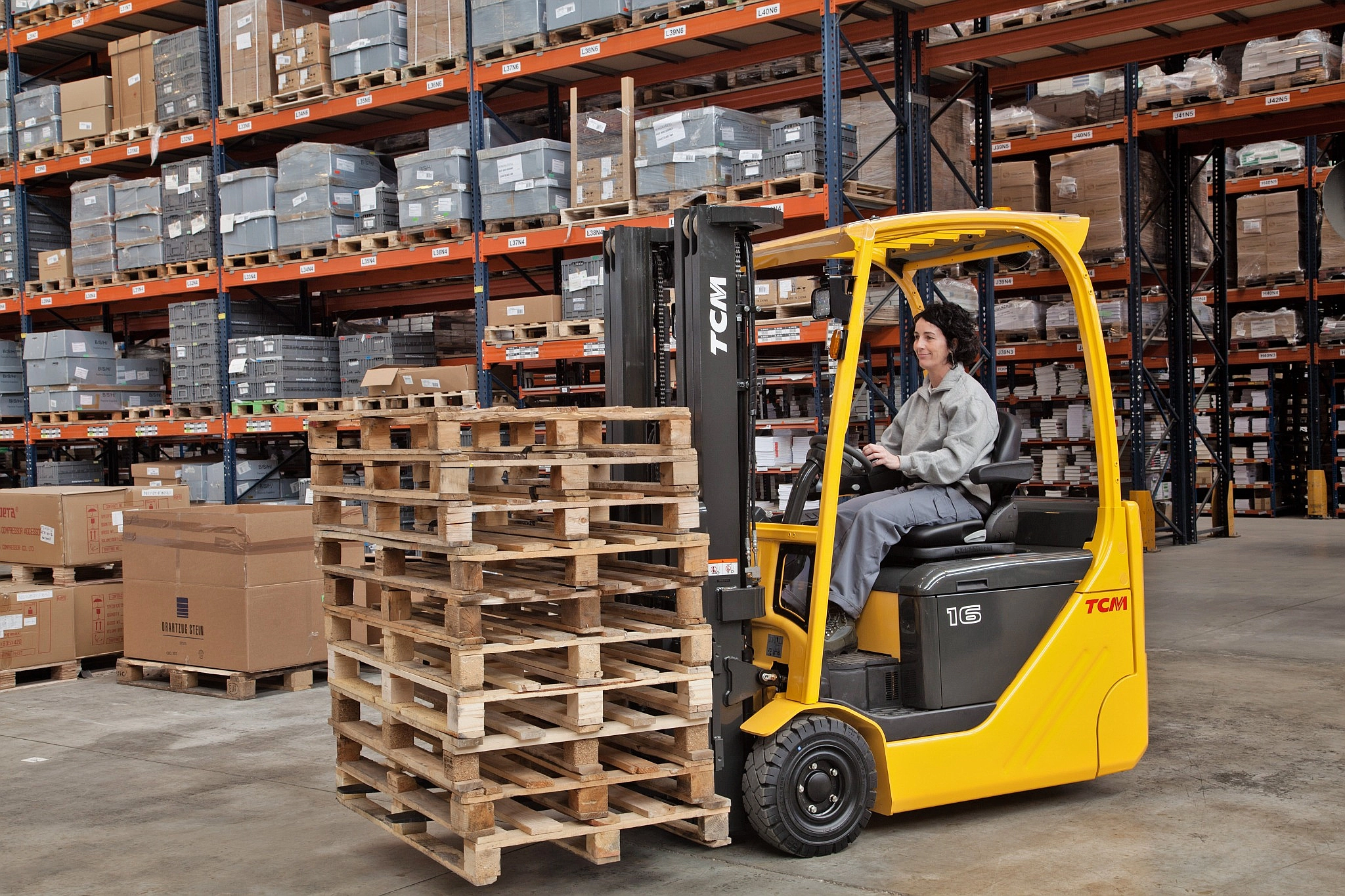
Receiving stock behind a showroom creates a different operating environment from handling the same goods inside a closed warehouse. The forklift may move through areas used by staff, trade customers or delivery crews before returning to a storage zone where the working conditions change again.
Hillsborough Road gives Warners Bay a strong local example of this mixed property format, with premises combining showroom, trade-retail and warehouse functions. Forklift hire in this setting can cover incoming deliveries, stock transfer, fitout materials, bulky products and warehouse replenishment without assuming every part of the property should operate in the same way.
Rental equipment can be selected around the load, required lift and available space, while site-specific controls can be considered where different work zones call for different travel behaviour. MLA Complete Forklift Solutions supports these requirements across the Newcastle and Lake Macquarie area.
Warehouse work often allows the forklift to operate within a defined material-handling area. A trade counter or showroom frontage can create a different environment only metres away.
Warners Bay’s commercial and industrial mix makes that distinction locally relevant. Stock may arrive at the rear of a property, travel through warehouse space and support a customer-facing operation at the front. A forklift involved in those movements may encounter different levels of pedestrian activity and different amounts of open travel space during the same booking.
The equipment brief can account for those differences.
Where appropriate, a site may use different travel-speed settings for different operating zones. MLA’s FleetControl technology includes GPS-based dual-zone speed limiting, allowing compatible equipment to operate with one speed setting in one defined area and another elsewhere.
The value lies in matching the control to the site layout. A warehouse-only job may have little reason to introduce zone-based speed management. Mixed warehouse and customer-facing premises can make the distinction much more relevant.


Speed management is only one part of the Warners Bay hire decision.
Bulky goods may require more turning room even when the load is not especially heavy. Higher storage can change the lift requirement. Indoor work may favour an electric forklift, while deliveries handled partly outside can introduce another operating surface.
The rental machine still needs to perform the physical work comfortably.
Consider a business receiving palletised stock behind a showroom. The forklift may unload the delivery, carry goods into storage and later reposition bulky products as stock changes. Capacity, load dimensions and manoeuvring space shape the machine selection first. Any zone-based control then supports how the forklift operates around the property.
Another Warners Bay customer may only need a machine for a workshop delivery or short stock movement. In that case, capacity and space may resolve the booking without additional fleet technology.
The hire stays proportionate to what the customer needs to move.
A clear physical change in the workplace provides the strongest reason to consider separate speed settings.
Examples can include movement between:
The site still needs its own traffic controls and operating procedures. Zone-based speed management is an equipment feature that can support those arrangements where it suits the work.
Stock arriving on a truck may begin the requirement, but a rented forklift can continue supporting the work after the delivery has left.
Bulky products might need to be rearranged as floor stock changes. Pallets can move between reserve storage and dispatch. Fitout or maintenance work may create a temporary need to lift materials that the business does not normally handle with its existing equipment.
This broader workload matters when the same rental forklift is expected to cover several tasks.
A compact machine may be attractive for tighter internal areas, provided it retains the rated performance needed for the loads. A higher-capacity forklift may suit heavier goods but require more room around turns and placement points. Electric equipment can also be relevant where much of the work occurs indoors.
Customers can discuss the full workload with MLA rather than choosing a machine around the first pallet that arrives.
Where another forklift is being brought into an established workplace, describing the areas it will use helps distinguish the physical lifting requirement from any site controls that may also be worth considering.


Technology earns its place when it matches how the forklift will operate.
Dual-zone speed limiting can help a compatible machine behave differently as it moves between defined areas. Other sites may place more emphasis on visibility, pedestrian detection, mast-related controls or another feature because their operating conditions are different.
The equipment should still be used within its rated capacity, with loads secure and the travel route kept appropriate for forklift work.
For a mixed showroom and warehouse property in Warners Bay, the useful question is whether the forklift moves through areas with meaningfully different operating conditions. If so, that information can be included when arranging the rental.
MLA can then consider the forklift itself and any compatible fleet-control features as separate parts of the same hire requirement.
Yes. The rental should account for the loads, lift height, manoeuvring space and the areas the forklift will use. Mixed customer-facing and warehouse premises may also justify discussing site-specific operating controls.
On compatible equipment, dual-zone speed limiting allows different travel-speed settings to apply in separate defined areas. MLA FleetControl includes GPS-based functionality for this type of speed management.
No. The equipment and features should follow the work. A straightforward unload or warehouse movement may only require a suitable forklift, while a site with clearly different operating zones may benefit from discussing additional controls.