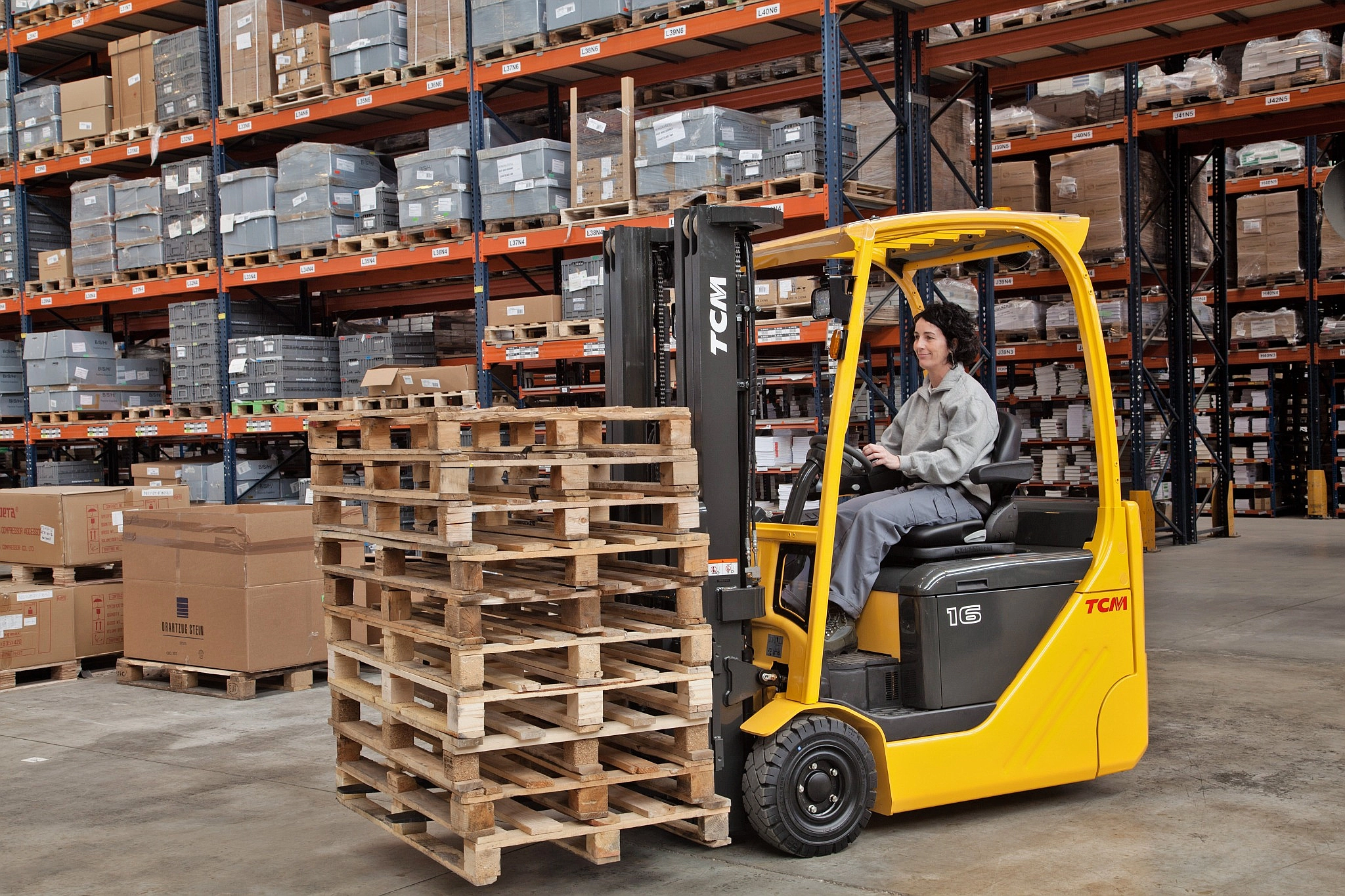
Some Waroona customers need a forklift because there is none on site. Others already own one, but a change in how the mast raises, lowers or tilts means the next loaded movement should wait.
Both situations can begin with MLA Complete Forklift Solutions, but they lead to different decisions. A customer receiving machinery, palletised supplies or building materials may simply need suitable hire equipment. An owned forklift whose lifting controls have started responding differently needs its condition assessed before normal work continues.
That distinction keeps the customer focused on the immediate problem instead of combining every MLA service into the same enquiry.
The Shire identifies agriculture, engineering, earthmoving and small business among Waroona’s economic drivers, with dairy, horticulture, vegetables and livestock also represented locally. Farm machinery support along South Western Highway adds another visible part of that working landscape.
Those activities can generate regular material handling, but they also create jobs where forklift use is temporary.
A farm might have palletised inputs or equipment arriving. A workshop can receive parts, machinery or fabricated components. Tradespeople may need materials unloaded during an installation, while a property owner could have building products delivered for a shed or improvement.
Forklift hire and rental in Waroona can be matched to those individual jobs. A customer arranging one mechanical unload belongs in the same service as a business with several planned movements.
MLA’s forklift rental range provides equipment for different temporary handling requirements. The useful starting point is what needs to move in Waroona and what the forklift has to do with it.
A sound pallet of packaged goods can create a relatively familiar handling task. If its loaded mass is known and it is ready for fork handling, the hire discussion can stay concise.
Machinery may introduce different information. The item could have designated fork pockets, a transport skid or another support arrangement that needs to remain under it during the movement. Fabricated equipment can vary again.
The site only needs attention where it affects the planned work. A forklift unloading beside a workshop and travelling over a prepared surface has a different brief from a machine expected to work through another part of a rural property.
This approach helps keep smaller Waroona jobs practical. Customers do not need to arrive with a forklift specification. They can explain the load and movement, then use the relevant details to narrow the equipment choice.

An owned forklift becomes familiar through repetition. Operators learn how quickly the forks normally raise, how the mast responds to tilt input and how the controls feel during everyday work.
That makes an unexpected change worth noticing.
The hoist may respond differently from its established behaviour. Tilt control might feel delayed, uneven or otherwise inconsistent with normal operation. The important point is the change itself, not an operator trying to diagnose which hydraulic or mechanical component caused it.
Where the lifting or tilting function is no longer responding normally, the forklift should be treated as needing assessment before it returns to loaded work.
MLA provides forklift service and repair for customer-owned equipment. A technician can inspect the machine, identify the cause and determine whether repair or replacement parts are required.
This is deliberately a narrower decision than general servicing. Waroona’s issue is the operator noticing that a key mast function has changed from the machine’s normal response.
Continued movement of the mast does not establish that the forklift is in normal operating condition. A noticeable change in hoist or tilt response should be reported and assessed rather than accepted because the function has not stopped completely.
The operator can describe what has changed without diagnosing the fault. When it started, which control is affected and how the response differs from normal can give the service technician useful context.
A customer hiring a forklift for an incoming load may have no owned-equipment issue to solve.
Suppose a pump is arriving for a rural property. If it is presented on a sound forkable base and its reliable mass is available, the enquiry can concentrate on unloading and positioning that item. A workshop receiving conventional pallets may have an even simpler requirement.
Several compatible movements can also sit within the same rental where the selected forklift suits them. If palletised supplies are followed by substantially heavier machinery, the later item should be considered on its own before it is added to the work.
The aim is not to find the most elaborate forklift available. It is to supply enough machine for the work the customer actually intends to complete.
For heavier or less familiar loads, MLA’s information on forklift load ratings and load centres explains why rated capacity needs to reflect more than a load’s headline weight.


Consider a Waroona customer expecting palletised materials for a shed project.
The enquiry begins with that delivery: what is arriving, approximately how heavy the loaded pallet is and where it needs to be moved. MLA can use the relevant details to discuss a forklift that fits the work and arrange the rental.
When the machine reaches the site, the operator becomes familiar with the supplied forklift and completes the applicable pre-use checks before handling the load. The materials can then be unloaded and placed where the project needs them.
If more planned movements are part of the same booking, the forklift continues with the work it was selected to perform. Once that handling is finished, the hire moves to its agreed collection or completion.
A machinery delivery or workshop job may need different information at the first stage, but the customer journey remains easy to follow because each decision is tied to the actual lift.
Two kinds of change matter on a Waroona job.
A new load may be heavier, supported differently or require another kind of movement from the loads already planned. That can change the hire requirement.
A forklift the customer already owns may begin responding differently when the operator uses its hoist or tilt controls. That changes the equipment-readiness decision instead.
Recognising which one has changed gives the customer a clearer next move: arrange the right equipment for the new handling work, or have the existing forklift assessed before asking it to lift again.